Monstera Dubia
Monstera dubia
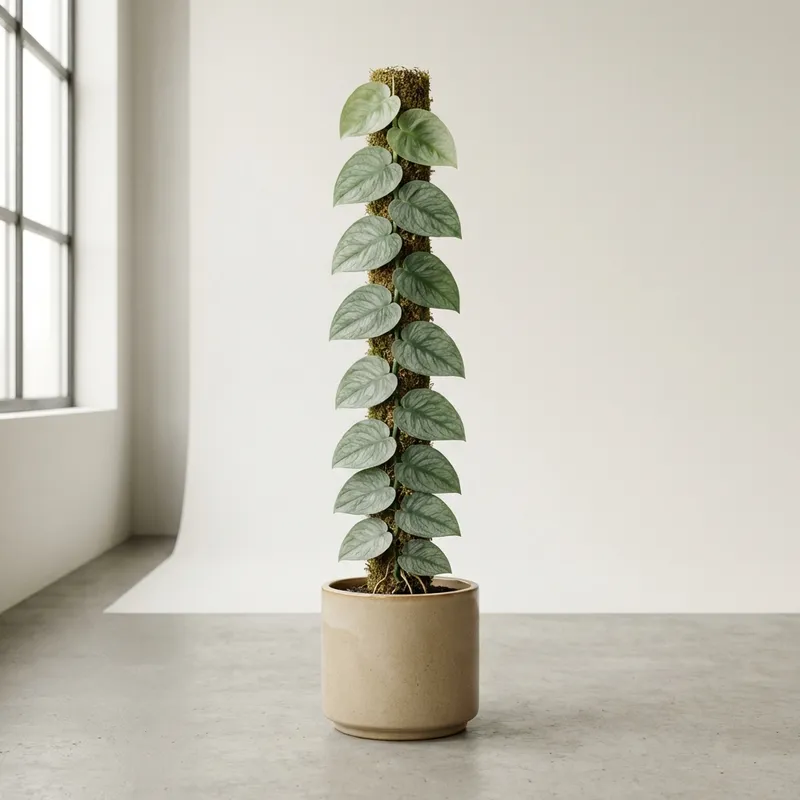
Commonly known as the Shingle Plant, Monstera dubia is a fascinating tropical hemiepiphyte native to Central and South America. It is renowned for its dramatic transformation; in its juvenile stage, it features small, heart-shaped, silver-variegated leaves that press flat against a host surface. As it matures and climbs, it develops much larger, deep green leaves with impressive fenestrations, eventually losing its shingling habit once it reaches the canopy.
Light
Bright Indirect
Water
Moderate
Difficulty
Moderate
Humidity
High
Pet Warning
Contains insoluble calcium oxalate crystals. Ingestion can cause oral irritation, swelling of the mouth, tongue, and lips, excessive drooling, vomiting, and difficulty swallowing in cats, dogs, and humans.
Care Guide
Monstera Dubia Care Guide
1. Support and Mounting To see the unique shingling habit, you must provide a climbing surface like a cedar board or moss pole. When first planting, use twine or soft ties to gently secure the vine to the support; the plant will eventually attach itself using its aerial roots.
2. Lighting Needs This plant thrives in bright, filtered light. Too much direct sun will scorch the juvenile leaves, while low light will cause the plant to lose its silver variegation and grow leggy nodes.
3. Watering Protocol Water when the top 1-2 inches of soil feel dry. Monstera dubia is susceptible to root rot, so ensure the potting medium is airy and the container has drainage holes. If the plant is on a moss pole, keep the pole moist to nourish the aerial roots.
4. Humidity & Temperature Maintain humidity levels above 60%. Use a humidifier or mist the climbing surface frequently. Ideal temperatures range from 65°F to 85°F (18°C-29°C). Protect the plant from cold drafts and air conditioning vents.
5. Common Troubleshooting
- Yellow leaves: Usually an indicator of overwatering or poor drainage.
- Brown leaf edges: Typically caused by low humidity or underwatering.
- Pests: Inspect periodically for spider mites and thrips, which can hide under the shingled leaves.
In-Depth Care & Growth
Feeding & Soil
Fertilizer
Balanced liquid 20-20-20 fertilizer
Soil
A chunky, well-draining aroid mix consisting of orchid bark, perlite, horticultural charcoal, and coco coir.
Physical Attributes
Mature Size
Vines can reach 10-15 feet in height indoors with proper support.
Growth Rate
Moderate
Propagation
Stem cuttings with at least one node; can be rooted in water or moist sphagnum moss.