
Complete Care Guide for the ZZ Plant
The unkillable architect of the greenhouse. Learn the mechanics of the ZZ plant's unique 'battery' system and how to grow a dense, thriving sculpture.
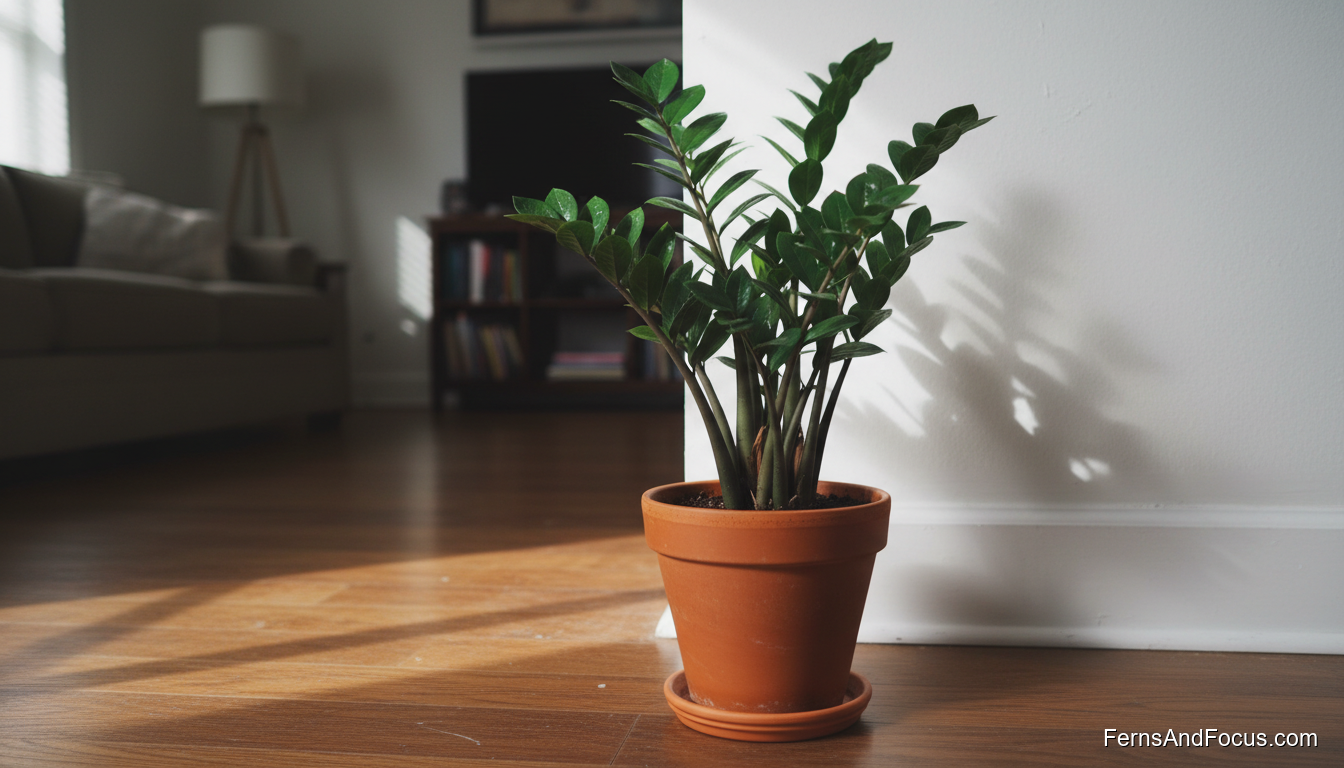
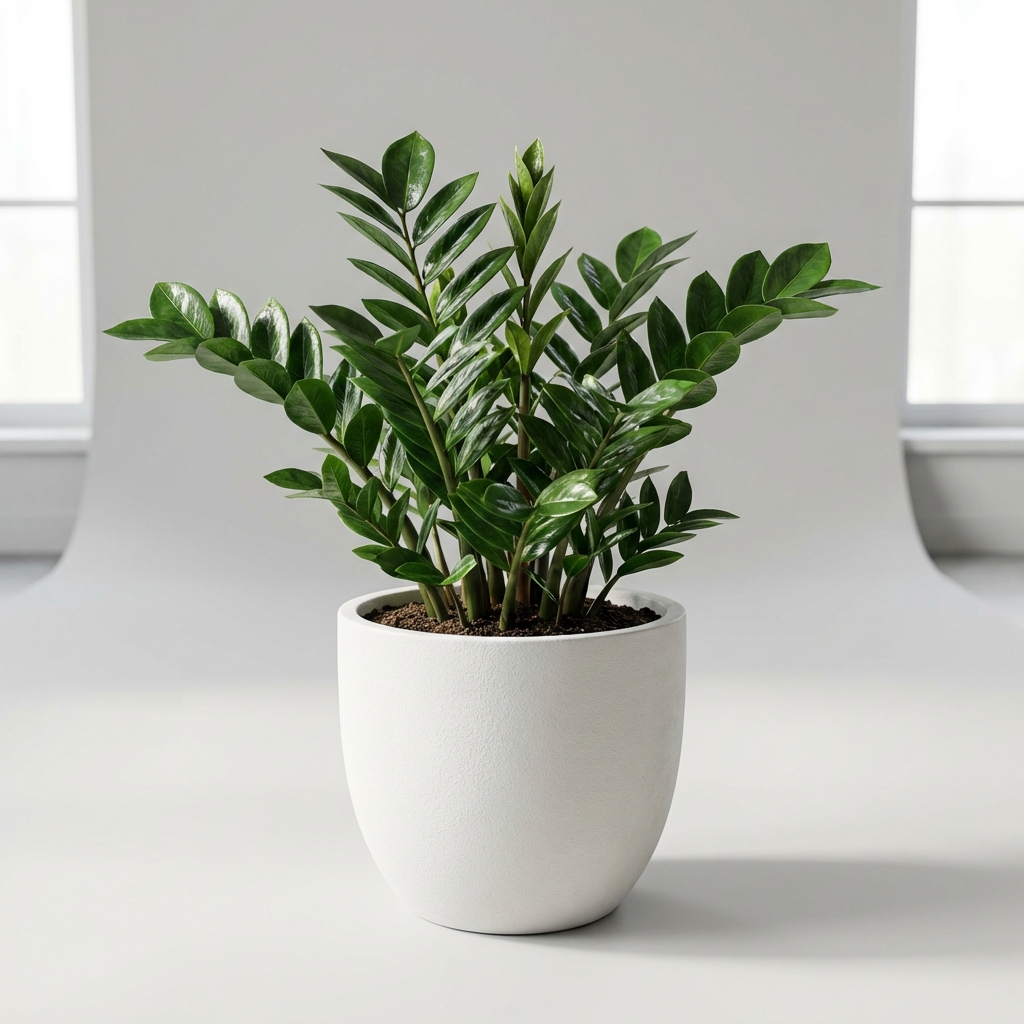
ZZ Plant
Zamioculcas zamiifolia
Care Level
Easy
Light
Low
Water
Low
Humidity
Low
The Quick Dirt
If you want a plant that treats neglect as a luxury, look at the Zamioculcas zamiifolia (ZZ Plant). It is a structural masterpiece that asks for nothing but well-draining soil and a gardener who knows how to walk away. It is the closest thing to an immortal plant that is still actually alive.
The Mechanics of the Rhizome
To understand the ZZ plant, you have to look beneath the surface. While we admire the waxy green leaves, the true engineering happens in the rhizomes. These are thick, bulbous structures that look like small potatoes. In the wild, where the plant has to survive long periods of extreme drought, these rhizomes act as “underground batteries.” They store massive amounts of water and energy, allowing the plant to go for months without a single drop of rain.
This system is why the ZZ is so resilient, but it is also its greatest weakness in a home environment. Because the rhizome is so efficient at holding onto water, any extra moisture in the soil is a direct threat. If the soil stays wet for more than a few days, the rhizome begins to rot from the inside out. By the time you see the problem at the top of the plant—usually in the form of yellowing, mushy stems—it is often too late to save the core. When you water a ZZ, you aren’t watering a “thirsty” plant; you’re just refilling its battery. If the battery is already full, more water is just damage.
Light Logic: The Low-Light Myth
The ZZ plant is famously labeled as a “low-light” survivor. This is true—it won’t die in a dark office or a windowless hallway. But surviving isn’t the same as thriving. In low light, the plant’s metabolism slows down to a crawl. The stems will start to stretch out (etiolate), reaching for any stray photon of light. This results in thin, weak growth and smaller leaves. If you want a dense, upright plant, you have to provide it with bright, indirect light.
Think of it as an efficiency problem. The more light the plant receives, the more energy it can store in those rhizomes and the more new stems it will produce. The “sweet spot” is a room with a large, bright window where the plant can see the sky but not the direct afternoon sun. Direct sun will scorch those waxy leaves, turning them into yellow, papery husks. If you move your ZZ into a brighter spot, you’ll see faster growth, tighter leaf spacing, and a much deeper, richer green in the foliage. Low light is a survival mode; bright light is a growth mode.
Water Physics: The “Set and Forget” System
Watering a ZZ plant is not a weekly chore; it is a monthly observation. Most houseplant deaths come from a misplaced sense of kindness, and the ZZ is the most common victim. You have to wait for the soil to dry out 100% before you even think about the watering can. Use your hand to check the soil tension. If it feels dusty, gritty, and light, it is time. If it feels even slightly cool or damp when you stick your finger in, it is still full.
The physics here are simple: the plant has all its own moisture. If you add more when the soil is already damp, you’re just creating a stagnant environment that breeds fungal rot. I wait at least three weeks between waterings in a home environment, and even longer in the winter. When you do water, give it a thorough soak until the liquid runs out of the drainage holes, then immediately dump the tray. This ensures that the rhizome is “topped off” without ever having to sit in a puddle. Rot is the only thing that can kill a ZZ, and it only happens when you are being too generous.
Soil Architecture and Gas Exchange
The soil for a ZZ is not just a source of nutrients; it is a structural anchor that must provide maximum airflow. Because the rhizomes are large and fleshy, they need a high degree of gas exchange to stay healthy. A heavy, dense soil that stays wet and compacted will suffocate the roots and lead to a quick death. You need a mix that is high in inorganic material to create air pockets.
I never use straight potting soil for a ZZ. I always mix in at least 30-40% perlite or pumice to keep it gritty and airy. This “soil architecture” ensures that when you do water, the moisture moves quickly through the pot and the excess drains out immediately. The roots don’t need a heavy blanket of organic matter; they need a porous structure that lets them breathe even when the soil is damp. If you can feel the soil resisting your finger when you check for moisture, it is too compacted. Aerate it with a chopstick or move the plant into a grittier mix. Physics is always more important than nutrients in the world of the ZZ.
Maintenance: The Clean Machine
The ZZ plant is a structural centerpiece, but those glossy, waxy leaves are magnets for dust. In the greenhouse, dust isn’t just an aesthetic issue; it is a metabolic one. Each leaf is covered in a thick cuticle that is designed to prevent water loss, but it is also where the stomata—the plant’s “breathing pores”—are located. If the leaves are covered in dust, the plant cannot effectively exchange gases or absorb the light it needs for energy.
I never use commercial leaf shine on a ZZ. Those oily products can clog the pores and interfere with the plant’s natural breathing process. Instead, I use a soft, damp microfiber cloth and gently wipe each leaf, front and back. This is a quiet, meditative process that allows you to inspect the plant for any signs of mealybugs or scale, although the ZZ is remarkably resistant to most pests. Keeping the leaves clean ensures the plant remains a high-efficiency machine for photosynthesis. If an old stem at the base of the plant starts to turn yellow or brown, it is likely just an old leaf reaching the end of its lifecycle. Snip it off as close to the rhizome as possible with a clean blade to keep the plant looking tidy and structured.
Propagation: The Long Game
Gardening is a practice of patience, and nowhere is that more evident than with the ZZ plant. While most houseplants can be propagated in a matter of weeks, the ZZ works on a much slower timeline. The fastest way to create a new plant is through rhizome division. During a repotting, you can gently tease apart the root system and separate a healthy rhizome from the main cluster. Ensure each piece has at least one stem attached and a set of roots. Pot them up in a gritty, well-draining mix and wait a full week before your first watering to allow any cuts to callous over.
The slower, more fascinating method is leaf propagation. You can take a single leaf, tuck it into a tray of moist, sandy soil, and wait. Over several months, the leaf will develop its own tiny, pea-sized rhizome at the base. It is a slow, quiet miracle to witness. During this phase, you must keep the soil barely moist—just enough to trigger the plant’s growth response without rotting the leaf. It can take six months to a year before you see a new stem emerge from that tiny battery, but for the patient mentor, it is a testament to the plant’s incredible will to survive and multiply.
Si’s Pro-Tip
If your ZZ is getting too large for its pot, you’ll actually see the plastic nursery pot begin to bulge or even crack. That is the power of the rhizome expansion. When you see this, don’t just upsize the pot immediately. Wait until the next spring and then divide the plant. It is a great way to maintain the structural size you want for your home while getting a whole new plant for free.
Keep your hands dirty and your plants happy.

About the Author
Silas
The Practical Greenhouse Mentor
"Silas treats the greenhouse like a workshop of practical results. After 40 years of dirty hands, he’s learned that thriving plants are the result of honest observation and small, correct moves rather than luck. He’s the neighbor who knows exactly why your Pothos is pouting and how to fix it without the fuss."