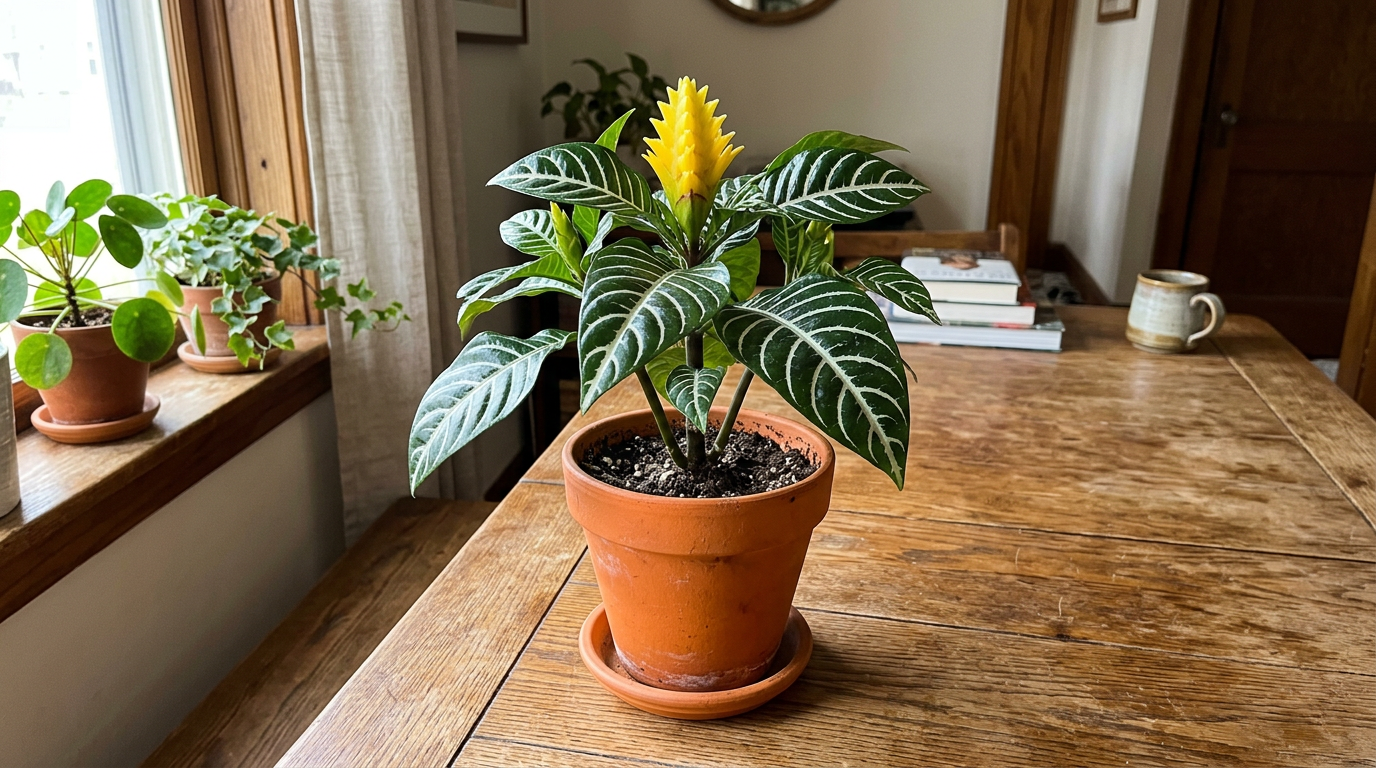
Zebra Plant: Mastering the Brazilian Diva
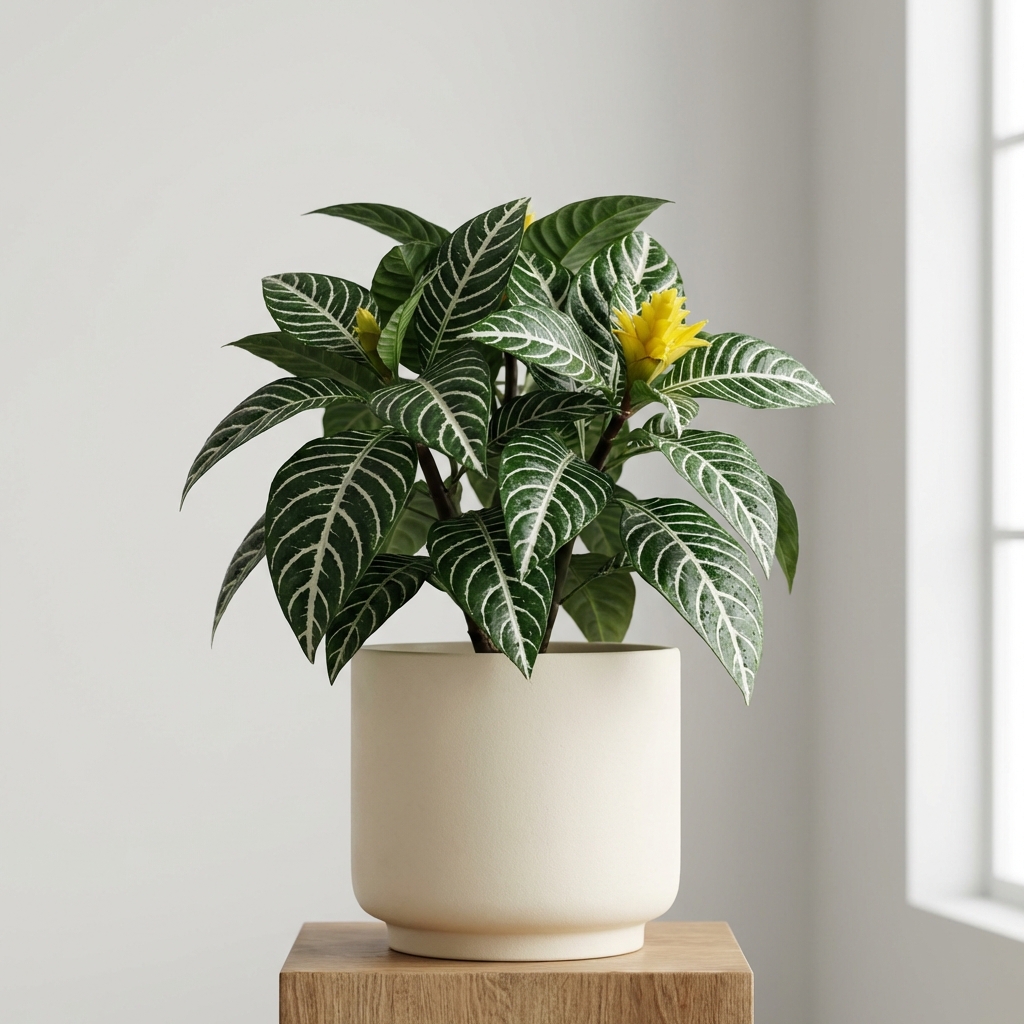
Learn how to grow the Aphelandra squarrosa. Silas explains why this high-maintenance beauty is a test of your gardening discipline and how to keep those white veins sharp.
Zebra Plant
Aphelandra squarrosa
Care Level
Difficult
Light
Bright Indirect
Water
High
Humidity
High
Zebra Plant: A Lesson in Precise Care
The Quick Dirt
The Aphelandra squarrosa (Zebra Plant) is a striking tropical that asks for everything at once. It needs high humidity, consistent moisture, and bright, filtered light. If you miss a watering, it will wilt dramatically. It is not for the beginner, but it is the ultimate reward for the disciplined gardener.
The Deep Dive
I. The Brazilian Diva: A Test of Character
I have been in the greenhouse business for forty years. I can tell you that the Zebra Plant is a real test of character. It is from the Atlantic Forest of Brazil. That is a place that never dries out and never gets too cold. When we bring that plant into our homes, we are fighting the physics of the indoor environment.
The Zebra Plant is a diva because its mechanical systems are so finely tuned. Those glossy, dark green leaves are thin and have a massive surface area. This means they evaporate water fast. If you miss a watering by even a day, the plant will perform a dramatic wilt. It will look like it has died in the last hour.
This is the plant’s SOS. It is dropping its leaves to conserve what little energy it has left. If you catch it early and soak the soil, it will usually pop back up within a few hours. But do that too often and you will stress the root system until it fails. This plant asks for your constant attention. It will reward you with a high-contrast look that nothing else can match.
II. Light and Variegation: Maintaining the Contrast
The whole point of a Zebra Plant is those sharp, white-on-dark-green veins. If your plant isn’t getting enough light, those veins will start to fade. The plant will stop putting energy into producing those white patterns. Instead, it will grow as much green surface area as it can to catch what little light is available.
If your plant is looking leggy, it is hunting for more sun. Move it into the brightest, most indirect light you have. An east window with morning sun is usually perfect. Avoid the direct, afternoon sun of a south window unless you have a sheer curtain. Direct sun will bleach the dark green out of the leaves and leave them looking pale and washed out.
Think of it as a balancing act. You need enough energy to keep the zebra look, but not so much that you overload the biological system. When you see new, dark leaves with sharp white lines, you have the light right.
III. Hydration Precision: Neither Swamp nor Desert
This is the hardest part of caring for an Aphelandra squarrosa. It wants to stay consistently moist, but it will rot if its roots are standing in water. It is a very fine mechanical balance. I check my Zebra Plants every day. I don’t just look at them. I stick my finger into the soil. If the top half-inch is starting to feel dry, it is time to water.
One big secret is the temperature of the water. These are tropical plants. Cold water straight from the tap will shock the roots. It can cause the lower leaves to yellow and drop off. I always use lukewarm water.
When you water, soak the soil thoroughly until water comes out of the drainage holes. Then, and this is important, empty the saucer. Never let a Zebra Plant sit in a puddle. Think of the soil like a wrung-out sponge. It should be damp, but not dripping. If you can master this one mechanical skill, you can grow almost anything from the rainforest.
IV. Humidity: Creating the Atlantic Forest Indoors
If you have your watering and light right, but the tips of the leaves are turning brown, the problem is the air. A Zebra Plant needs a lot of humidity. You want sixty percent or more. Misting might make you feel better, but for this plant, it is not enough. The water evaporates too fast and leaves the plant thirsty again in ten minutes.
You need a humidifier if you live in a dry climate. If you don’t have one, use a pebble tray. Fill a wide tray with small stones and keep it half-full of water. Sit the pot on the stones, not in the water. This creates a small, humid micro-climate around the leaves.
Keep those big leaves clean. Dust is a mechanical barrier that blocks the light and traps moisture where you don’t want it. Use a damp, soft cloth to gently wipe them down every few weeks. Not only does it help the plant breathe, but it makes those white veins pop even more.
V. The Golden Bract: Encouraging the Bloom
If you get the light, water, and humidity right, you will be rewarded with a spectacular sight. The Zebra Plant produces a thick, golden-yellow cone from the center of the leaves. This is the bract. It is actually a modified leaf that protects the small, delicate flowers that bloom from the sides.
This bract can last for months. It provides a bright spot of color in your collection. But after it starts to turn brown and wither, you need to perform a little surgery. Use clean, sharp scissors to prune it back to the first pair of healthy leaves. This tells the plant to stop putting energy into reproduction and start growing new foliage.
If your Zebra Plant is getting too tall, this is also the time to prune the stems. You can use those cuttings to grow new plants. They take easily in a high-humidity environment with a little bottom heat.
Si’s Pro-Tip
Don’t panic when you see your Zebra Plant wilt. It is a dramatic survivor. Instead of flooding the soil, use lukewarm water and mist the leaves at the same time. This helps the plant rehydrate from both the roots and the leaves until it can stand back up.
Keep your hands dirty and your plants happy.
About the Author
Silas
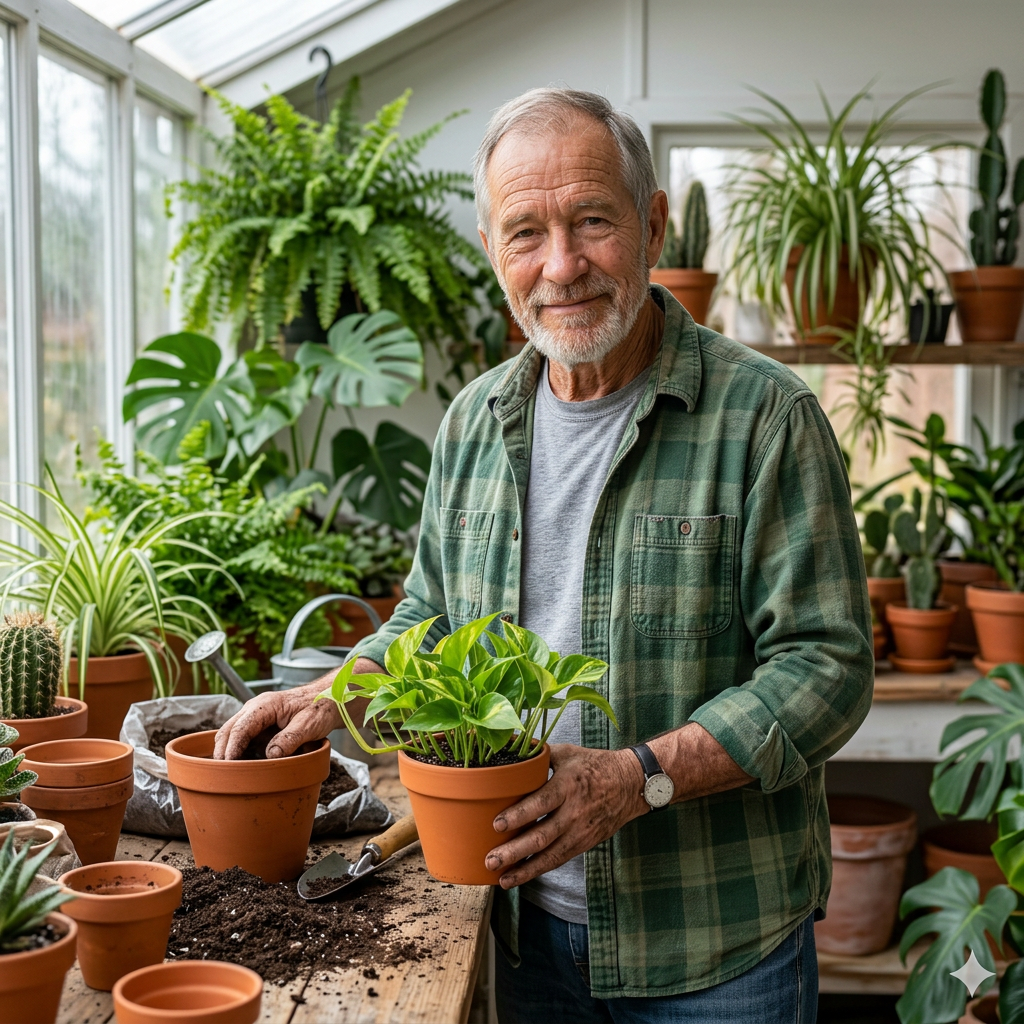
The Practical Greenhouse Mentor
"Silas treats the greenhouse like a workshop of practical results. After 40 years of dirty hands, he’s learned that thriving plants are the result of honest observation and small, correct moves rather than luck. He’s the neighbor who knows exactly why your Pothos is pouting and how to fix it without the fuss."