
The Spider Plant: A Lesson in Generous Growth
Master the easy care of Chlorophytum comosum. Silas shares why these arching leaves and dangling 'babies' are the ultimate gift for any gardener.
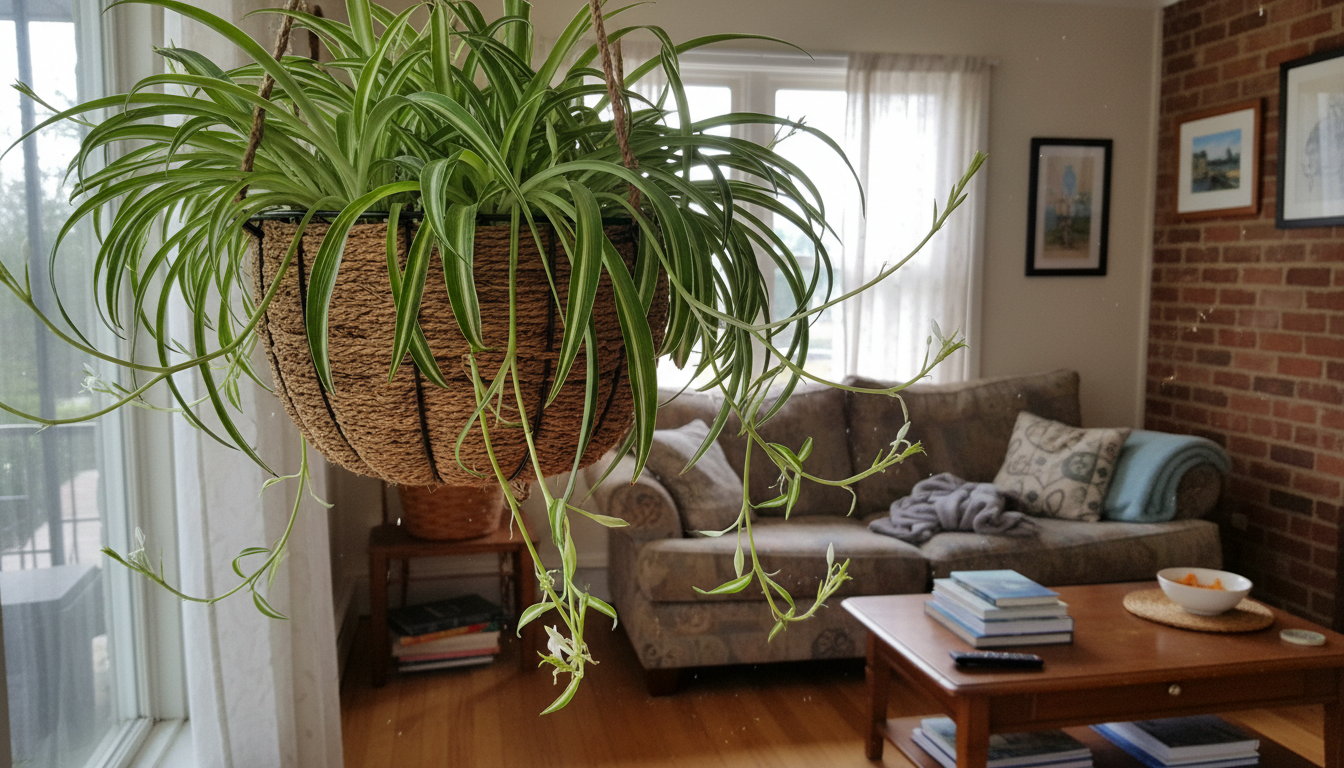
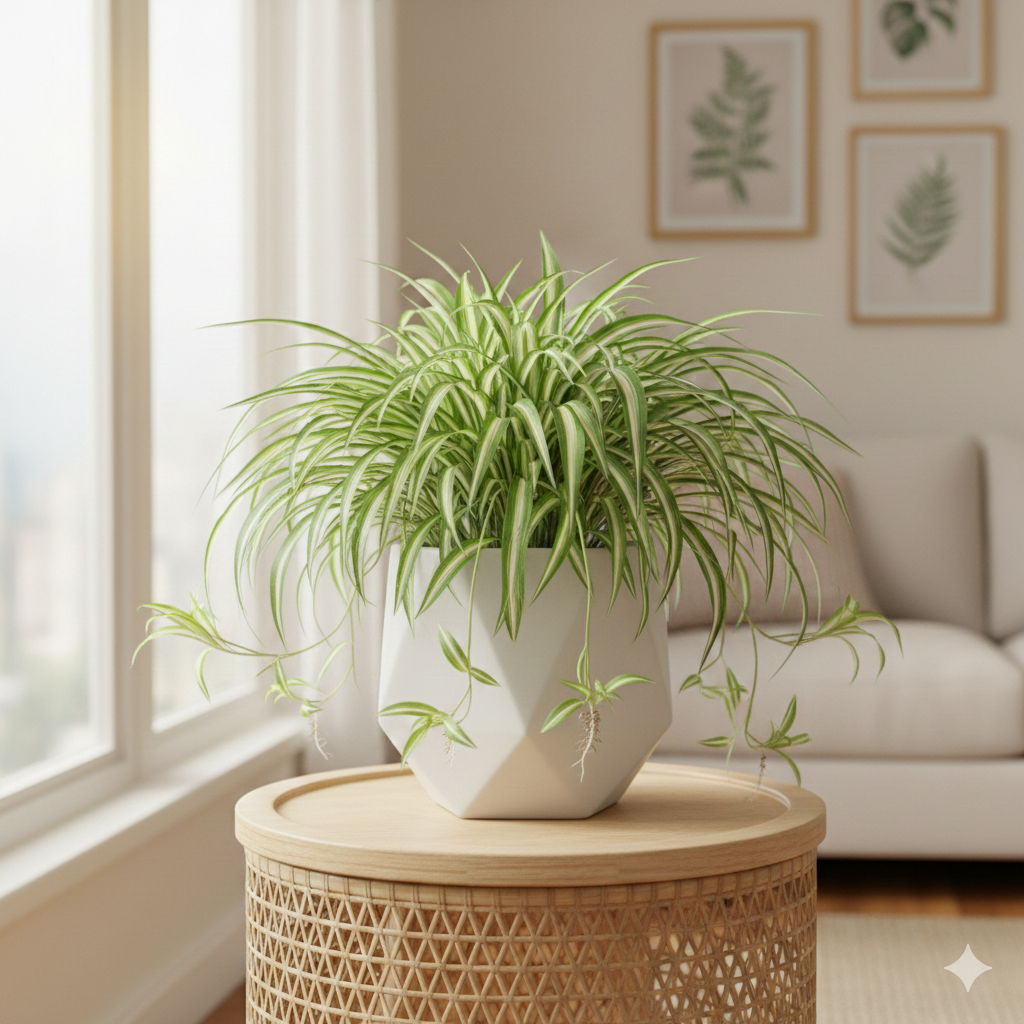
Spider Plant
Chlorophytum comosum
Care Level
Easy
Light
Bright Indirect
Water
Moderate
Humidity
Moderate
Spider Plant: The Architectural Classic
The Quick Dirt
The Chlorophytum comosum (Spider Plant) is the hallmark of a successful indoor garden. It is incredibly adaptable, handling a wide range of light and water conditions with grace. It is best known for its long, arching leaves and the “spiderettes” that dangle from its stems, ready to be snipped and shared with friends. It is a plant that truly keeps on giving.
The Deep Dive
I have often said that the Spider Plant is the plant that keeps on giving. I have seen them in office cubicles, humid bathrooms, and sunny porches—they just seem to find a way to thrive. They remind me that adaptability is one of the greatest strengths a living thing can have.
I. Light: The Versatile Survivor
Spider Plants are famously tolerant, but they do have a favorite spot. They love bright, indirect light—this encourages them to grow faster and produce more of those iconic dangling babies. I keep mine near an east-facing window where the morning light is strong but never too hot.
They can handle lower light levels, though they will grow more slowly and their variegation might fade. Whatever you do, keep them out of the direct midday sun. Those thin, narrow leaves are delicate; they will scorch and turn bleached or brown in a single afternoon of intense rays. Listen to what the leaves are telling you—if they look pale and tired, they are either seeing too much sun or not enough of the sky.
II. Water: The Rhythm of the Soak
While they are forgiving of an occasional missed watering, Spider Plants prefer a steady rhythm. I wait until the top two inches of soil feel dry to the touch. These plants have thick, tuberous roots that act like tiny water-storage tanks, which is why they are so drought-tolerant.
The plant will actually give you a signal when it is thirsty—the leaves will start to look a bit “grayish” and lose their vibrant color. A quick drink and they will perk right back up within hours. When you do water, soak the soil thoroughly at the sink until it runs out the bottom drainage holes. Gardening is a practice of patience, and letting the soil breathe between waterings is the key to preventing root rot.
III. Water Quality: The Tap Water Trap
If you see brown, crispy tips on your Spider Plant, don’t panic. It is often a reaction to the minerals in your tap water, specifically fluoride and chlorine. While it doesn’t really hurt the plant’s long-term health, it can be an eyesore.
I try to use distilled water or rainwater for mine. If you must use tap, let it sit in an open jar for 24 hours before you use it—it lets some of the chemicals dissipate. It won’t fix the old brown tips, but the new growth will come in clean and green. It is a small, neighborly tip that makes a big difference in how the plant looks on your shelf.
IV. Soil & Potting: The Vigorous Root
Because of those fast-growing, water-storing roots, Spider Plants can become root-bound quite quickly. If you see the soil being pushed up toward the rim of the pot, or if roots are starting to crawl out of the drainage holes, it is time for a slightly larger home.
I use a well-draining, general-purpose potting soil with a bit of extra perlite. They don’t mind a tight squeeze for a while, but eventually, they will want a bit more “legroom” to reach their full potential. Always ensure your pot has good drainage.
V. Propagation: The Fountain of Babies
Gardening is a practice of patience, but propagation is where the joy is. Once the little babies on the long stems have small, visible root nubs at their base, they are ready to start their own journey.
- Snip the baby off the runner stem.
- Put the base in a small jar of water for two weeks until the roots are an inch long.
- Tuck it directly into moist soil. I have probably gifted a hundred Spider Plants over the years—it is the simplest way to start someone else on their own gardening path.
VI. Maintenance: Monthly Rinses
Those long leaves are dust-magnets. Every month, I take my Spider Plants to the shower and give them a very gentle, room-temperature rinse. It mimics a tropical rain, clears away the dust, and lets the plant breathe. It also gives you a chance to snip off any yellowing older leaves at the base to keep the plant looking tidy.
The Focus Moment
The Spider Plant teaches us about abundance. It grows, it thrives, and then it immediately starts looking for ways to create more life. It is a plant that doesn’t hoard its energy; it shares it freely with anyone who takes a cutting. It’s a reminder that we are at our best when we are looking for ways to help others grow. Keep your hands dirty and your mind clear, and let this arching classic bring a sense of generous energy to your home.
Want more plant tips? Follow us on Facebook!
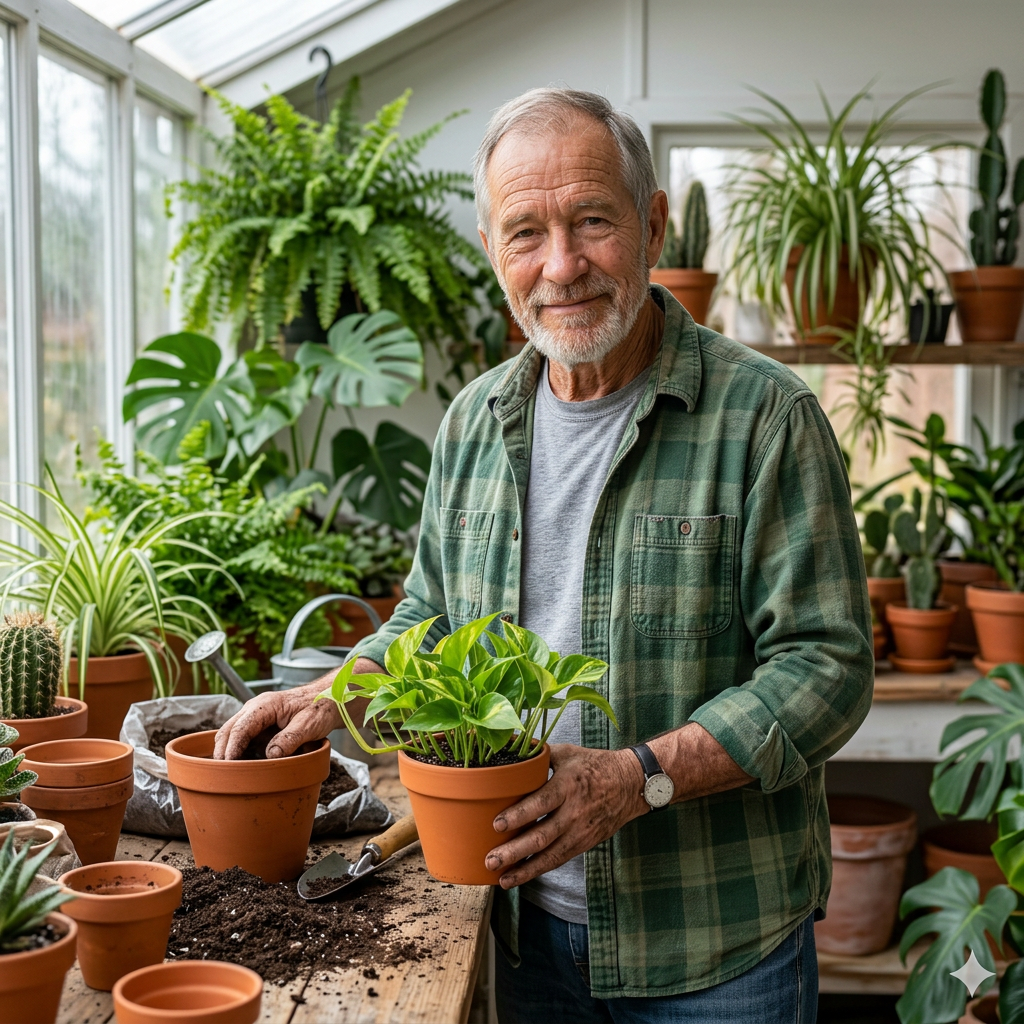
About the Author
Silas
The Practical Greenhouse Mentor
"Silas treats the greenhouse like a workshop of practical results. After 40 years of dirty hands, he’s learned that thriving plants are the result of honest observation and small, correct moves rather than luck. He’s the neighbor who knows exactly why your Pothos is pouting and how to fix it without the fuss."