
The Rubber Plant: A Study in Strength and Shine
Master the easy care of the iconic Rubber Plant. Silas shares his secrets for navigating their light needs and why those glossy leaves are built for the long haul.
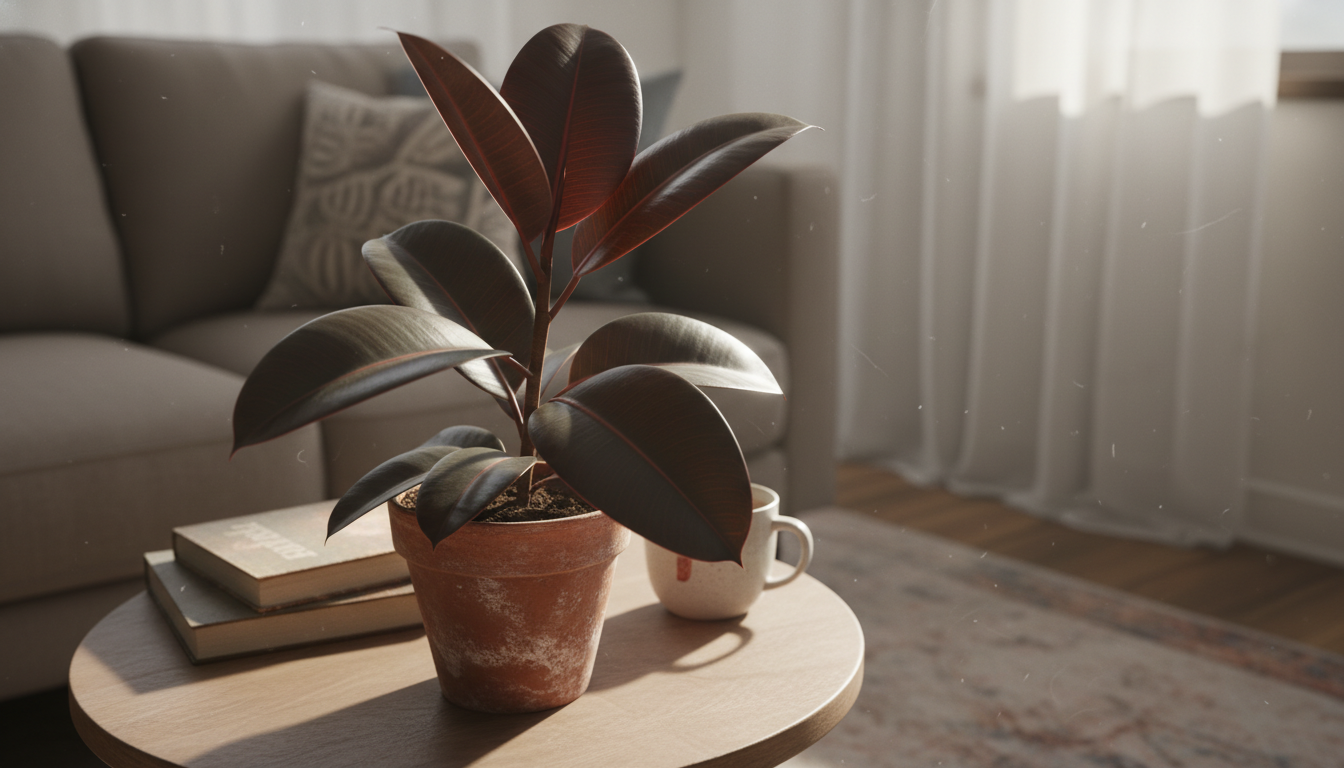
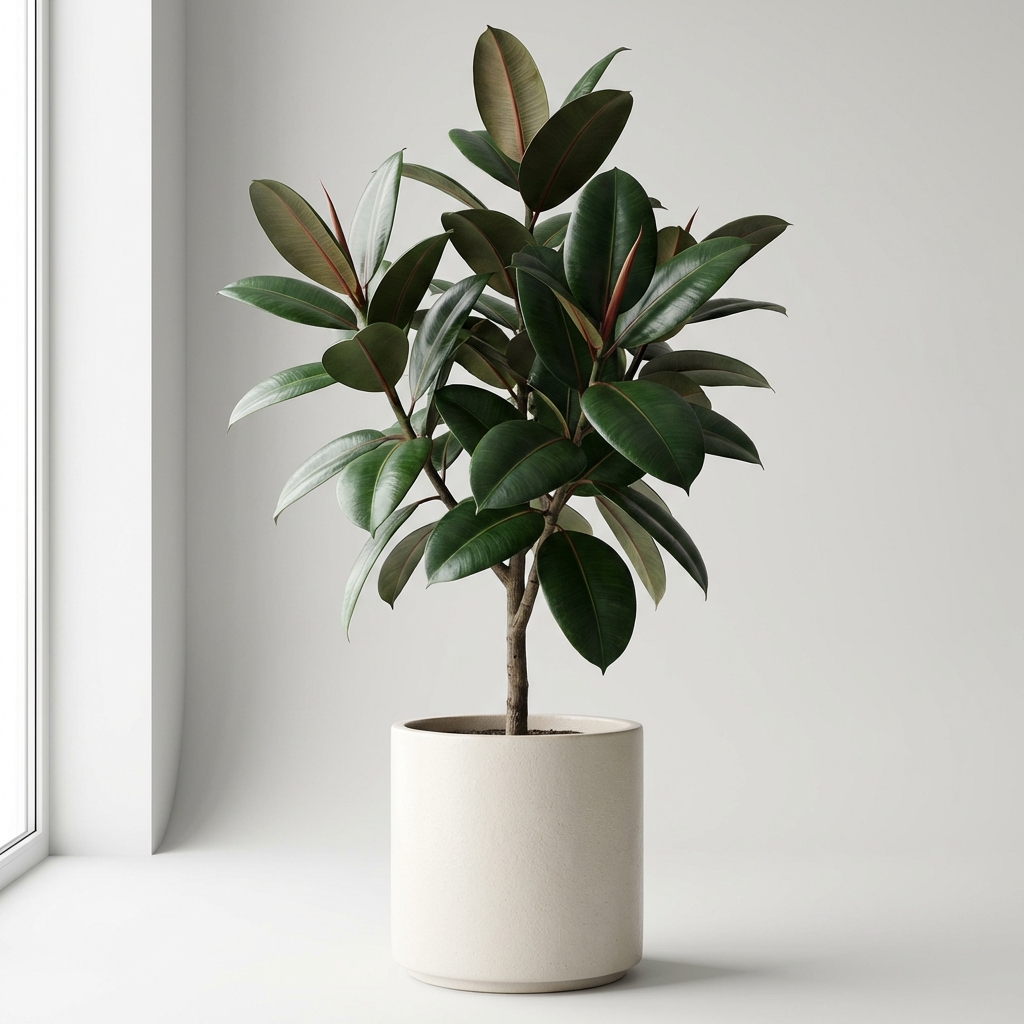
Rubber Plant
Ficus elastica
Care Level
Easy
Light
Bright Indirect
Water
Moderate
Humidity
Moderate
Rubber Plant: The Architectural Giant
The Quick Dirt
The Ficus elastica (Rubber Plant) is a plant for those who value structure and height. It asks for bright, indirect light and a gardener who knows how to hold back on the watering can. With its thick, glossy leaves and sturdy stems, it is a reliable companion that can eventually grow into a stunning indoor tree. It is an anchor for the steady, observational home.
The Deep Dive
There is a weight to a Rubber Plant that I’ve always appreciated. Originally from the tropical regions of Southeast Asia, these plants are built to be tough. In my greenhouse, they occupy the middle benches—not in the direct fire of the sun, but close enough to see the sky.
I. Light: The Search for the Sun
While they can survive in lower light, a Rubber Plant will only truly thrive if it has a bright view of the world. Listen to what the leaves are telling you—if the plant is losing its bottom leaves or the new ones are coming in small and pale, it is starving for sun. Move it closer to a big window where the light is strong but filtered by a sheer curtain. Without enough light, the burgundy color will fade into a dull green.
II. Water: The Art of the Deep Dry
The quickest way to break a Rubber Plant’s heart is to keep the soil constantly wet. These are not swamp plants; they have thick, leathery leaves designed to hold onto moisture. I wait until the top half of the soil is dry.
I use a simple wooden chopstick or my finger to check deep into the pot. If the stick comes out clean and dry, it is time for a drink. If there is damp soil clinging to it, wait another few days. Gardening is a practice of patience, and waiting for the soil to dry is one of its most important lessons. When you do water, soak the pot thoroughly at the sink until the liquid runs out the drainage holes, then dump the tray immediately. They hate having “wet feet.”
III. Maintenance: The Breathing Shine
Those glossy leaves are the star of the show, but they are also absolute dust-magnets. Every two weeks, I take a soft, damp cloth and wipe down each leaf. It is a quiet, meditative task that keeps the plant healthy. If the leaves are dusty, the plant cannot breathe or photosynthesize effectively.
A neighborly warning: be careful when you prune or snip a leaf. The plant bleeds a white, milky sap (latex) that can be quite irritating to the skin and is toxic if ingested. I always keep a paper towel handy to dab the cut and stop the bleeding. It is a messy business, but a clean snip helps the plant focus its energy on new growth.
IV. Atmosphere: Steady Warmth
These plants love the same temperatures we do, but they hate a shock. Keep them away from the direct blast of a heater vent in the winter or an AC unit in the summer. They prefer a steady, warm atmosphere. If you feel a cold draft from a door or window, your Rubber Plant feels it too, and it might drop a leaf or two in protest.
V. Potting: The Snug Fit
Rubber Plants actually prefer to be slightly root-bound. They like to feel secure. I only move mine to a larger container when the roots are clearly pushing their way out of the drainage holes or the top of the soil. When you do repot, only go up one size. Because these plants get tall and top-heavy, choose a heavy ceramic pot that won’t tip over as the plant grows.
The Focus Moment
The Rubber Plant is a reminder that true growth takes a sturdy foundation. It doesn’t rush to produce a thousand tiny leaves; it focuses on making each leaf strong, thick, and lasting. It’s a plant that rewards the gardener who is present and consistent. Having one in your home is a commitment to a slow, enduring beauty. Keep your hands dirty and your mind clear.
Want more plant tips? Follow us on Facebook!

About the Author
Silas
The Practical Greenhouse Mentor
"Silas treats the greenhouse like a workshop of practical results. After 40 years of dirty hands, he’s learned that thriving plants are the result of honest observation and small, correct moves rather than luck. He’s the neighbor who knows exactly why your Pothos is pouting and how to fix it without the fuss."