
The Prayer Plant: A Masterpiece in Motion
Master the art of growing the iconic Prayer Plant. Silas shares why these patterned leaves are a lesson in nightly rhythm and humidity.
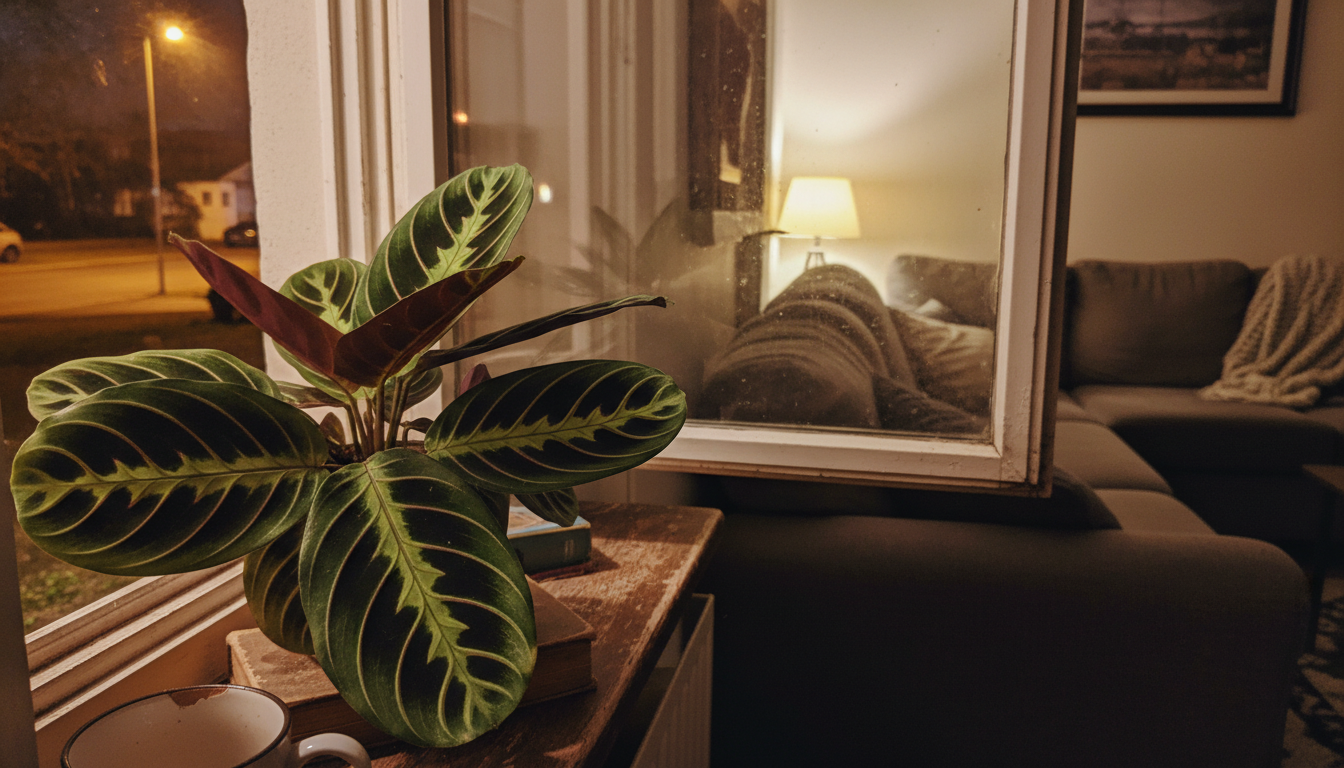
Prayer Plant: The Living Design Icon
The Quick Dirt
The Maranta leuconeura (Prayer Plant) is one of the most interactive plants you can own. It asks for bright, indirect light and a steady supply of humidity. In return, it offers a daily performance, folding its beautifully patterned leaves upward every night as if in prayer. It is a plant that reminds us to follow the natural rhythms of the day and respect the need for rest.
The Deep Dive
I have always been captivated by the movement of a Prayer Plant. If you sit quietly in the evening, you can almost hear them shifting. They are native to the tropical rainforests of Brazil, where they live on the humid forest floor. They are not the easiest plants to keep, but for the gardener who notices the small shifts in the air, they are a true masterpiece.
I. Light: The Filtered Canopy
Prayer Plants are very specific about their sun. They want bright, indirect light. Think of the light that hits the jungle floor after being softened by the trees above. If they get even a few minutes of direct afternoon sun, those intricate, neon-green and red patterns will bleach out and the leaves will burn into brown crisps. Conversely, if the light is too low, they will stop moving and the new growth will look pale and tired. Listen to what the leaves are telling you—if the patterns are losing their contrast, they need just a bit more filtered sun.
II. Humidity: The Obsession
This is where most people struggle with Maranta. They want to breathe wet air. Ideally, you want to keep the humidity at 60% or higher. In a dry home, especially when the heater is running, the leaves will develop those dreaded crispy brown edges. I do not bother with misting because it is too fleeting. Instead, I group mine with other moisture-loving plants like ferns or keep them near a dedicated humidifier. A pebble tray can also help keep the air “soft” immediately around the foliage.
III. Water: Consistency Over Quantity
Prayer Plants hate a shock. I always use lukewarm water, never cold from the tap. They want their soil to stay consistently moist, but never soggy. I check mine every few days; if the top inch of soil is starting to feel dry to the touch, it is time for a drink. They are also remarkably sensitive to the chemicals in our tap water. If you see brown tips despite having high humidity, your plant is likely reacting to fluoride or chlorine. Switch to rainwater or distilled water, and you will see the difference in the new growth.
IV. Maintenance: Keeping it Tidy
Prayer Plants have a spreading, low-growing habit. Over time, they can get a bit leggy or sparse in the center. If that happens, don’t be afraid to snip them back. Make your cut just above a leaf node, and the plant will sprout two new, bushier growth points. Those patterned leaves are the star of the show, but they are also dust-magnets. Every few weeks, I take a very soft, damp cloth and gently wipe each leaf. It keeps the colors vibrant and ensures the plant can photosynthesize effectively.
V. The Prayer Movement: Nyctinasty
Watching a Prayer Plant shift throughout the day is a quiet joy. The leaves move based on the light cycle—a process called nyctinasty. They “fold” up at night to conserve moisture and energy, and open back up in the morning to catch the sun. If your plant stays static all day, it is giving you a signal that it is stressed. Gardening is a practice of patience, and observing these subtle movements is the best way to become a better mentor to your plants.
The Focus Moment
The Prayer Plant is a reminder that we all need a rhythm. It works during the day and rests at night, just like we should. Watching those leaves fold up at sunset is a gentle prompt to slow down, close your own chapters for the day, and prepare for the morning. It teaches us that rest is not a lack of growth, but a vital part of it. Keep your hands dirty and your mind clear.
Want more plant tips? Follow us on Facebook!

About the Author
Silas
The Practical Greenhouse Mentor
"Silas treats the greenhouse like a workshop of practical results. After 40 years of dirty hands, he’s learned that thriving plants are the result of honest observation and small, correct moves rather than luck. He’s the neighbor who knows exactly why your Pothos is pouting and how to fix it without the fuss."