
The Peace Lily: Learning the Language of Resilience
Master the art of caring for Spathiphyllum. Silas shares why this 'drama queen' is actually the best teacher for anyone wanting to understand the needs of their indoor garden.
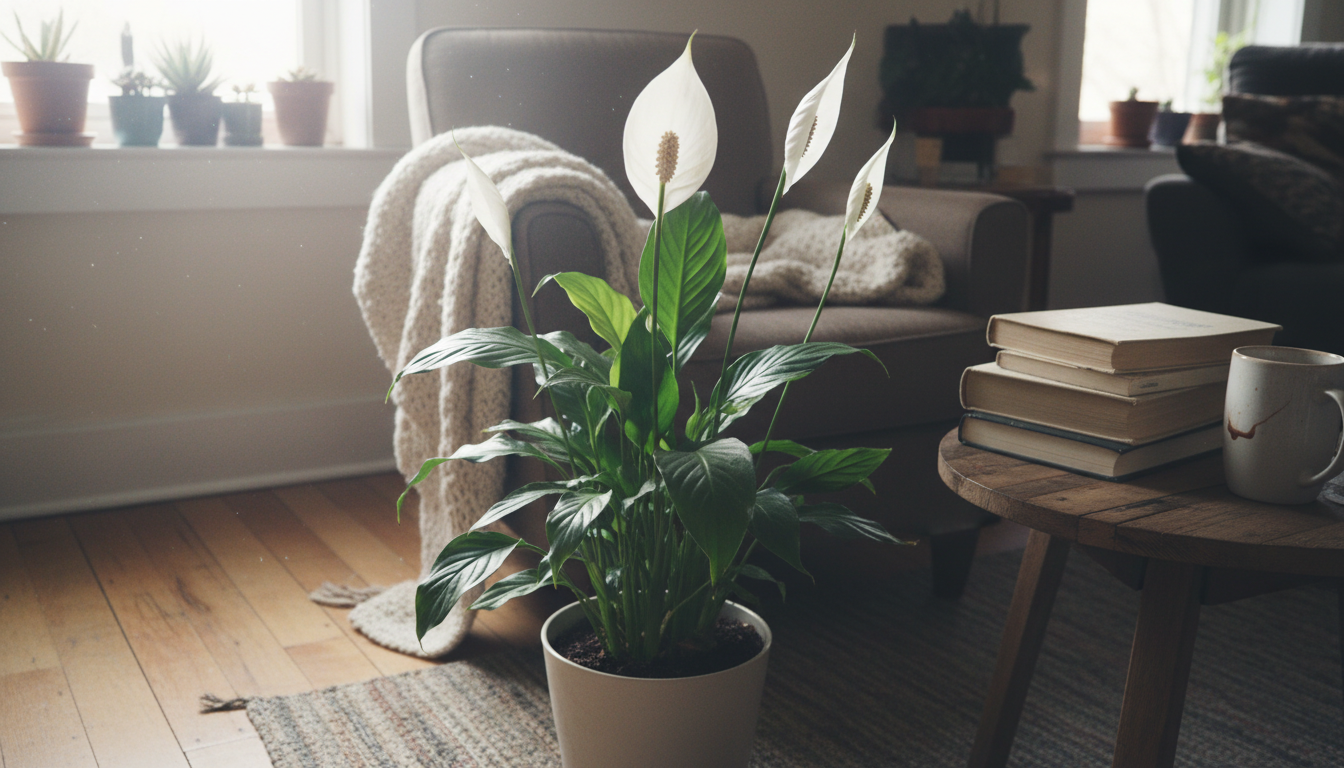
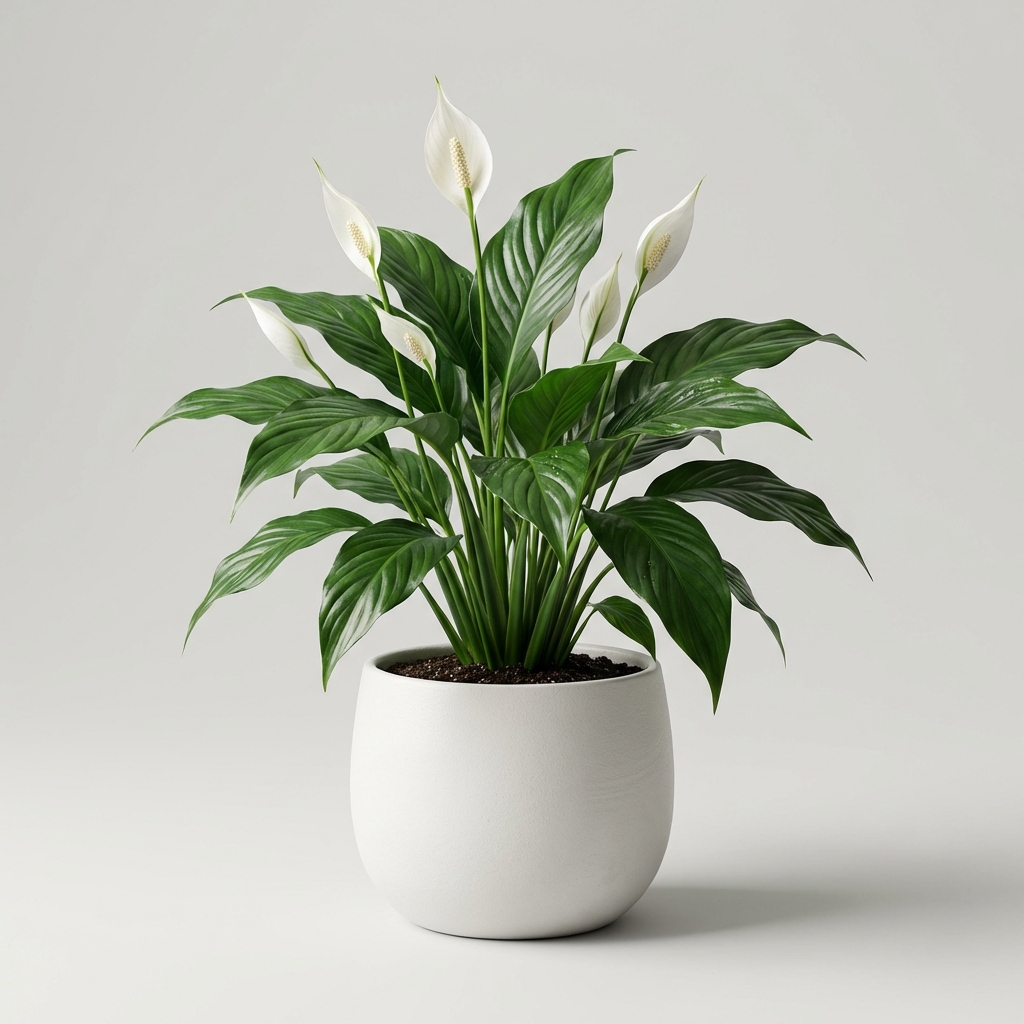
Peace Lily
Spathiphyllum
Care Level
Easy
Light
Bright Indirect
Water
Moderate
Humidity
High
Peace Lily: The Honest Communicator
The Quick Dirt
The Spathiphyllum (Peace Lily) is a hallmark of the indoor garden. It handles low light better than most and is famous for its elegant white spathes. It is also the most vocal plant you will ever own. It will physically wilt to tell you it is thirsty, making it the perfect companion for someone still learning the rhythms of watering. It is an honest, rewarding friend for the quiet home.
The Deep Dive
I often tell new gardeners to start with a Peace Lily. People call her a “drama queen” because she will collapse in a heap the moment the soil gets dry, but I prefer to think of her as an honest friend. She doesn’t hide her needs. She tells you exactly what is wrong, and she has the grace to bounce back almost immediately once you listen.
I. Light: The Shade Seeker
In my greenhouse, the Peace Lilies live on the lower benches, shaded by the giants above. They love medium to low indirect light. They are the perfect choice for that office corner or a north-facing room where nothing else seems to thrive. They don’t need the spotlight to do their work.
Whatever you do, keep them away from the direct sun. Their soft, deep green leaves are very thin and will burn into yellow, papery patches if they see too much afternoon sun. Listen to what the leaves are telling you—if they are looking pale and losing their rich green color, they are seeing too much of the sky.
II. The Art of the Wilt: Watering
I wait until the top inch of soil is dry. Usually, the plant gives me a “soft” droop just before it completely faints. That’s the signal. Give it a thorough soak at the sink until water runs out the bottom. Within three or four hours, it will stand back up, looking as if nothing ever happened. Gardening is a practice of patience, and the Peace Lily is a beautiful lesson in how quickly things can turn around with a little care.
III. Atmosphere: Humidity and Warmth
These are true children of the tropical rainforest. They love a warm, humid environment. If your home is very dry, especially in the winter, you will see brown, crispy tips on those beautiful leaves. Grouping them with other plants or placing them in a bathroom with a window is a great way to keep them comfortable. They are very sensitive to cold drafts. Never let a Peace Lily sit directly in the path of an AC vent or near a drafty door in the winter.
IV. Maintenance: Beyond the Bloom
The white flowers are actually modified leaves called spathes. When the white spathe starts to turn green or brown, I snip the entire stem off as close to the base as possible. It tells the plant to stop wasting energy on the past and start working on new leaves or fresh blooms. Those glossy leaves are dust-magnets. Every few weeks, I give them a gentle wipe with a damp cloth. It keeps the pores clear and the plant breathing effectively.
V. Soil & Potting
Peace Lilies need a soil that can hold moisture without becoming a swamp. I use a well-draining, peat-based potting soil. They actually enjoy being slightly root-bound. I only move mine to a larger container when the roots are clearly crowding the pot and the plant starts wilting every two or three days. When you do repot, only go up one size because they like to feel secure.
VI. Common Problems
If you see brown tips despite high humidity, it is often a sign that your tap water has too many chemicals like chlorine or fluoride. Try using filtered water or rainwater, and she will reward you with cleaner growth. If you see a single leaf at the bottom turning yellow, don’t panic. It is just the plant shedding old weight to focus on the new growth at the top.
The Focus Moment
The Peace Lily is a reminder that being vulnerable isn’t a weakness. It’s okay to wilt when things get too dry, as long as you have the resilience to stand back up once you’ve been nourished. It’s a plant that teaches us how to communicate our needs and how to forgive. Having one in your home is a daily lesson in the grace of second chances. Keep your hands dirty and your mind clear.
Want more plant tips? Follow us on Facebook!
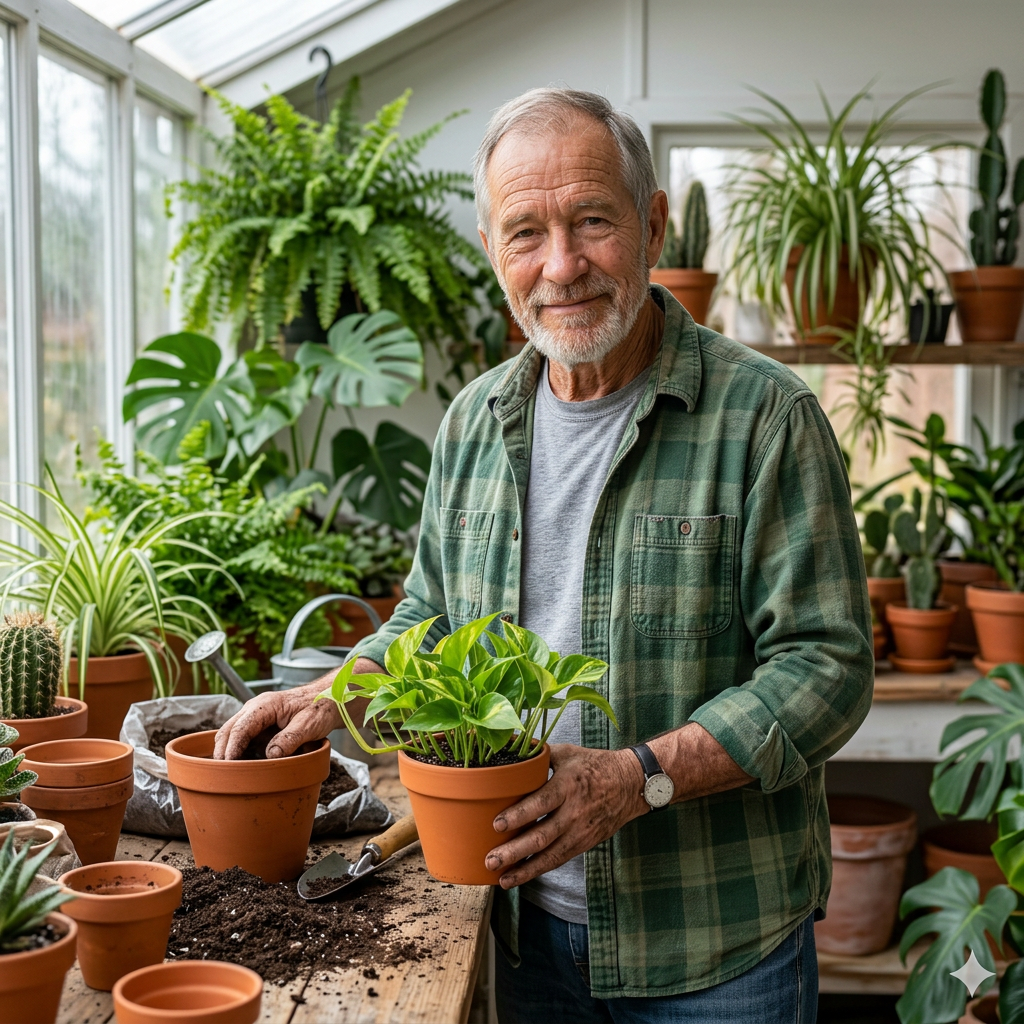
About the Author
Silas
The Practical Greenhouse Mentor
"Silas treats the greenhouse like a workshop of practical results. After 40 years of dirty hands, he’s learned that thriving plants are the result of honest observation and small, correct moves rather than luck. He’s the neighbor who knows exactly why your Pothos is pouting and how to fix it without the fuss."