Macho Fern: The Tropical Giant for Large Spaces
Learn how to grow the Nephrolepis biserrata 'Macho'. Silas explains why this giant fern is more resilient than its cousins and how to manage its massive growth.
Macho Fern
Nephrolepis biserrata 'Macho'
Care Level
Moderate
Light
Bright Indirect
Water
High
Humidity
High
Macho Fern: The King of the Shady Corner
The Quick Dirt
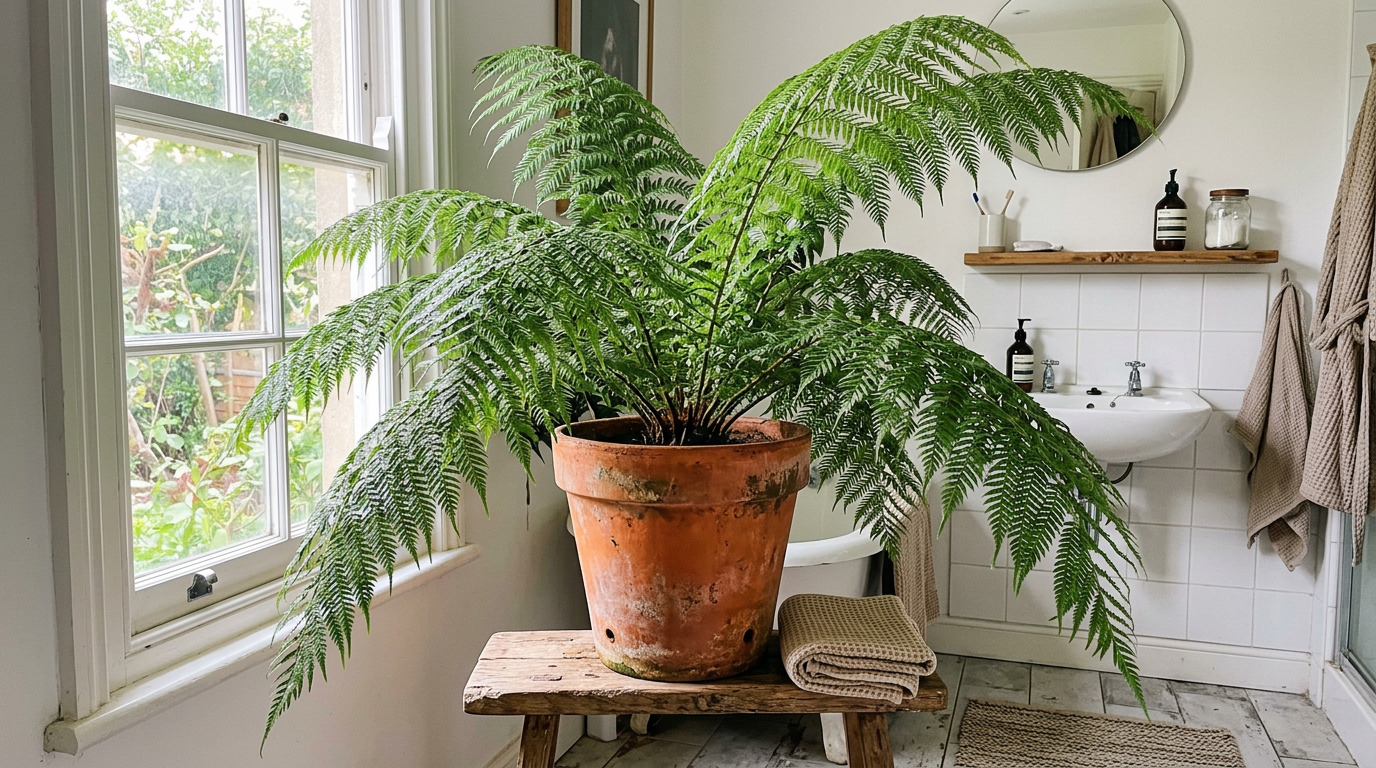
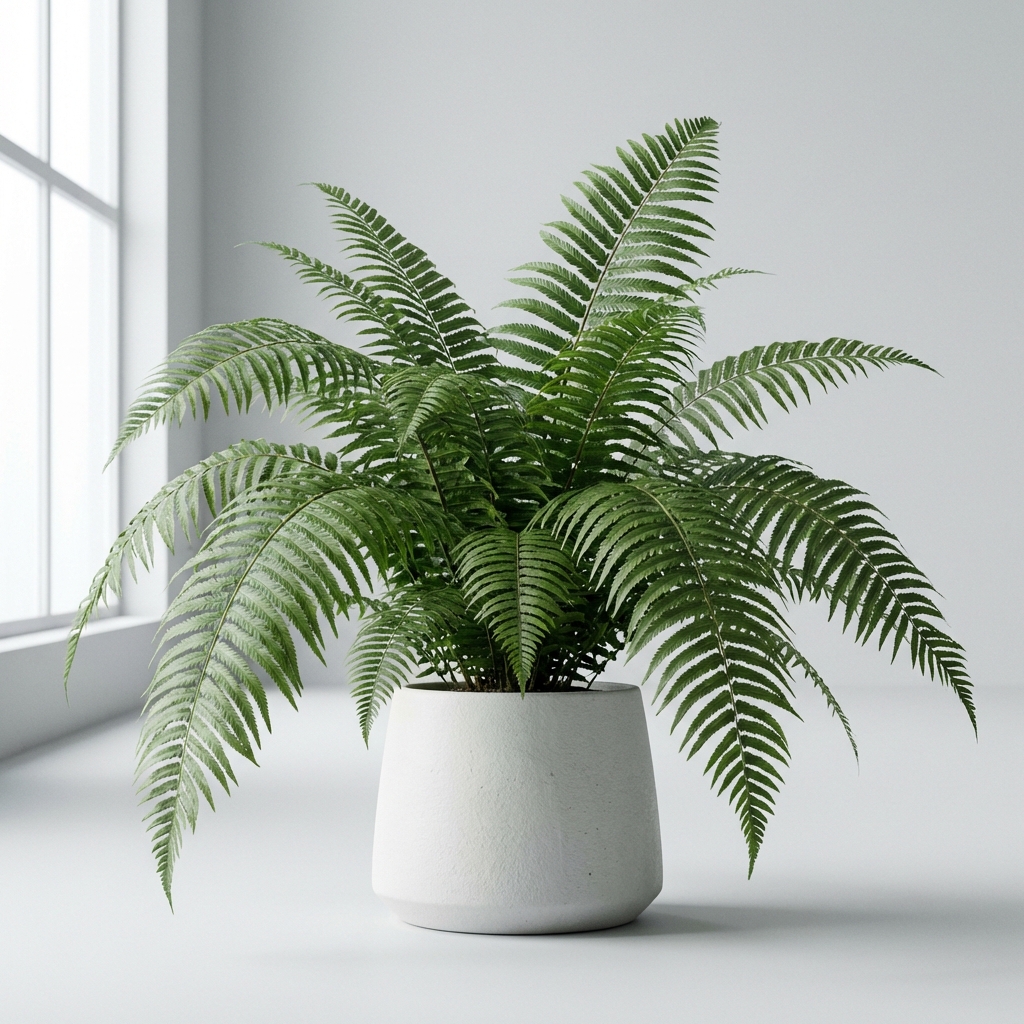
The Nephrolepis biserrata (Macho Fern) is a true tropical giant. It produces massive, arching fronds that can reach six feet in length. It makes a spectacular focal point for large rooms. It asks for bright, filtered light and high humidity. It is far more resilient than the standard Boston Fern. It is a pet-safe, high-impact plant for anyone with the space to let it roam.
The Deep Dive
I. Tropical Giant: Scaling Up the Boston Fern
I have grown a lot of ferns. Most of them are divas. They wilt if the humidity drops by ten percent. But the Macho Fern is different. It is basically the Boston Fern’s bigger, tougher older brother. Macho isn’t just a marketing name. It is an accurate description of the plant’s mechanical resilience.
While a Boston Fern has delicate, paper-thin fronds, the Macho Fern has broad, leathery leaflets. This means it doesn’t lose water quite as fast as its smaller cousins. It can arch its fronds gracefully up to six feet long. When you put this in a room, it doesn’t just sit in a corner. It commands the space.
One of my favorite things about this giant is its pet-safe status. If you have a cat or a dog that likes to taste-test your plants, the Macho Fern is a perfect choice. It is non-toxic. It provides a massive, lush look without any of the danger that comes with some of the larger palms or monsteras.
II. Light Management: The Shady Sentinel
Like most ferns, the Macho Fern lives in the dappled light of the tropical understory. It doesn’t want to be in the center of a sunny room. In fact, if you put it in a south-facing window, the direct afternoon sun will bleach those leathery fronds. It will leave them brittle and brown.
The perfect spot is a north or east-facing window. You want bright, indirect light. Think of it as a shady sentinel. It can stand in a corner that would be too dark for a Fiddle Leaf Fig. But it still needs enough energy to maintain its massive structure.
If you see the new fronds coming in pale and stretched out, it is hunting for more light. Move it a few feet closer to the window. If you see the tips turning brown despite having high humidity, check for sun-scorch. You might need a sheer curtain to filter the light.
III. The Moisture Pulse: High-Volume Hydration
Because it is so large, the Macho Fern is an evaporation machine. Those massive fronds are constantly releasing moisture into the air. This means the plant has a high demand for water. If the soil dries out even slightly, the plant will react by shedding its leaflets. It is a survival purge. The fern is cutting its losses to protect the crown.
You need to keep the soil consistently moist. Not wet, not soggy, but like a wrung-out sponge. I check the soil surface every day. If it feels even slightly dry to the touch, it is time for a drink. I water thoroughly until it comes out the bottom. Then I make sure the saucer is empty.
One mechanical tip: use lukewarm water. Cold water from the tap can shock the roots and cause the fronds to yellow. If you can master this consistent moisture pulse, you will be able to keep those six-foot fronds looking healthy for years.
IV. Humidity: The Bathroom Jungle Theory
In the rainforest, humidity is always high. Our homes, especially in the winter, are very dry. This is the biggest mechanical challenge for any fern. If you want a Macho Fern to truly thrive, you need to create a humid micro-climate around it.
I call it the Bathroom Jungle Theory. If you have a large bathroom with a bright window, the Macho Fern will be the happiest plant in the house. Every time you shower, you are providing exactly what it needs. That is high-volume, warm humidity.
If you can’t put it in a bathroom, you need a humidifier or a large pebble tray. Fill a wide tray with stones and keep it half-full of water. The pot sits on the stones, not in the water. As the water evaporates, it creates a cloud of moisture around those massive fronds. This will prevent the brown tips that are so common with indoor ferns.
V. Growth and Maintenance: Managing the Beast
This fern is a fast grower. It is not uncommon to have to repot it every one or two years. When you see roots starting to peek through the drainage holes, it is time for a new pot. Use a peat-based potting mix that is rich in organic matter. This will help the soil retain the moisture the plant needs.
If your Macho Fern is getting too big for its space, you can divide it. Just take it out of the pot and gently cut through the root ball with a clean, sharp knife. You can then repot each section as its own plant. This is an easy way to make two giants from one.
Keep those large fronds clean. Dust is a mechanical barrier that blocks the breathing pores of the plant. Use a damp, soft cloth to gently wipe the fronds down every few months. This will help the plant breathe and keep those leathery fronds looking deep green and healthy.
Si’s Pro-Tip
If your Macho Fern is looking a bit thin, don’t worry. It is often just a sign that it needs more light and a consistent moisture pulse. Move it into a north or east-facing window and start checking the soil every day. Within a few weeks, you will see a flush of new growth.
Keep your hands dirty and your plants happy.

About the Author
Silas
The Practical Greenhouse Mentor
"Silas treats the greenhouse like a workshop of practical results. After 40 years of dirty hands, he’s learned that thriving plants are the result of honest observation and small, correct moves rather than luck. He’s the neighbor who knows exactly why your Pothos is pouting and how to fix it without the fuss."