
Jade Plant: The Slow-Growing Tree of Good Fortune
Master the easy care of the iconic Jade Plant. Silas shares why these thick-stemmed succulents are a lesson in longevity and patient growth.
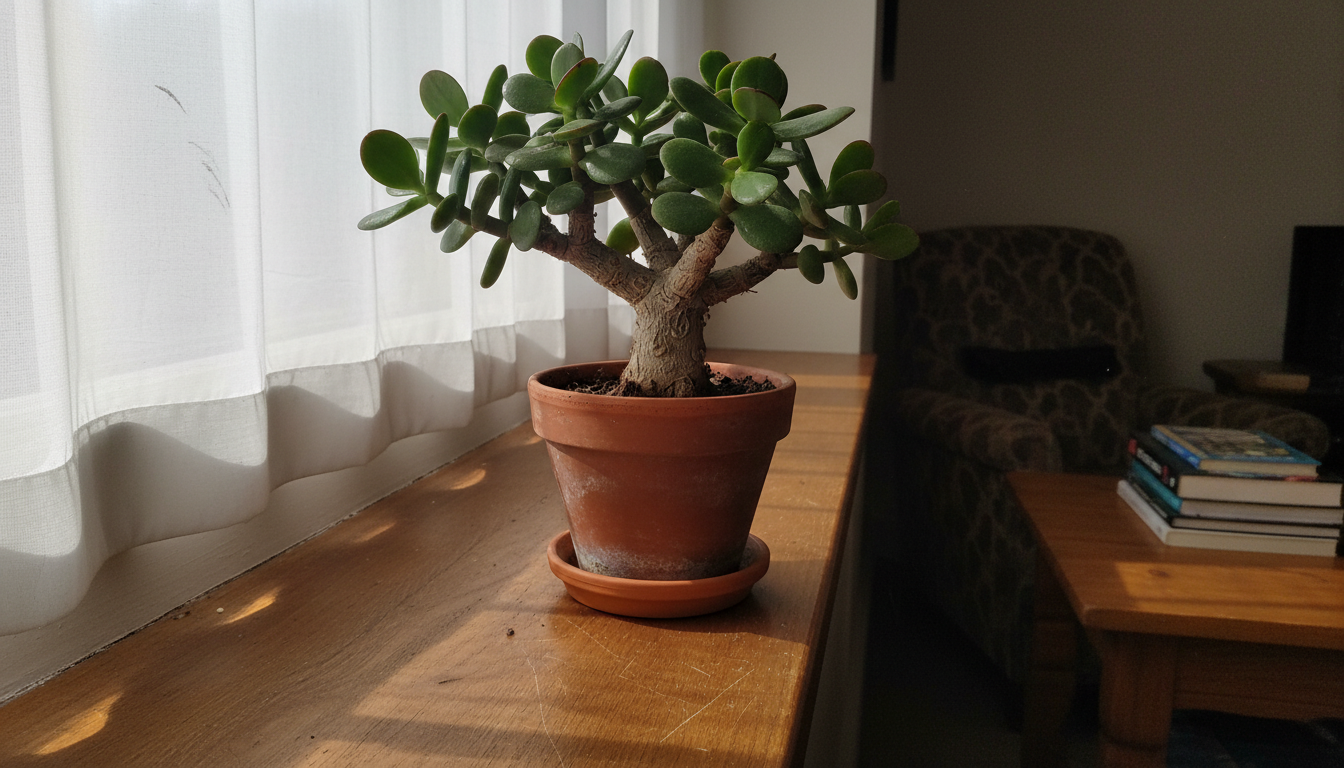
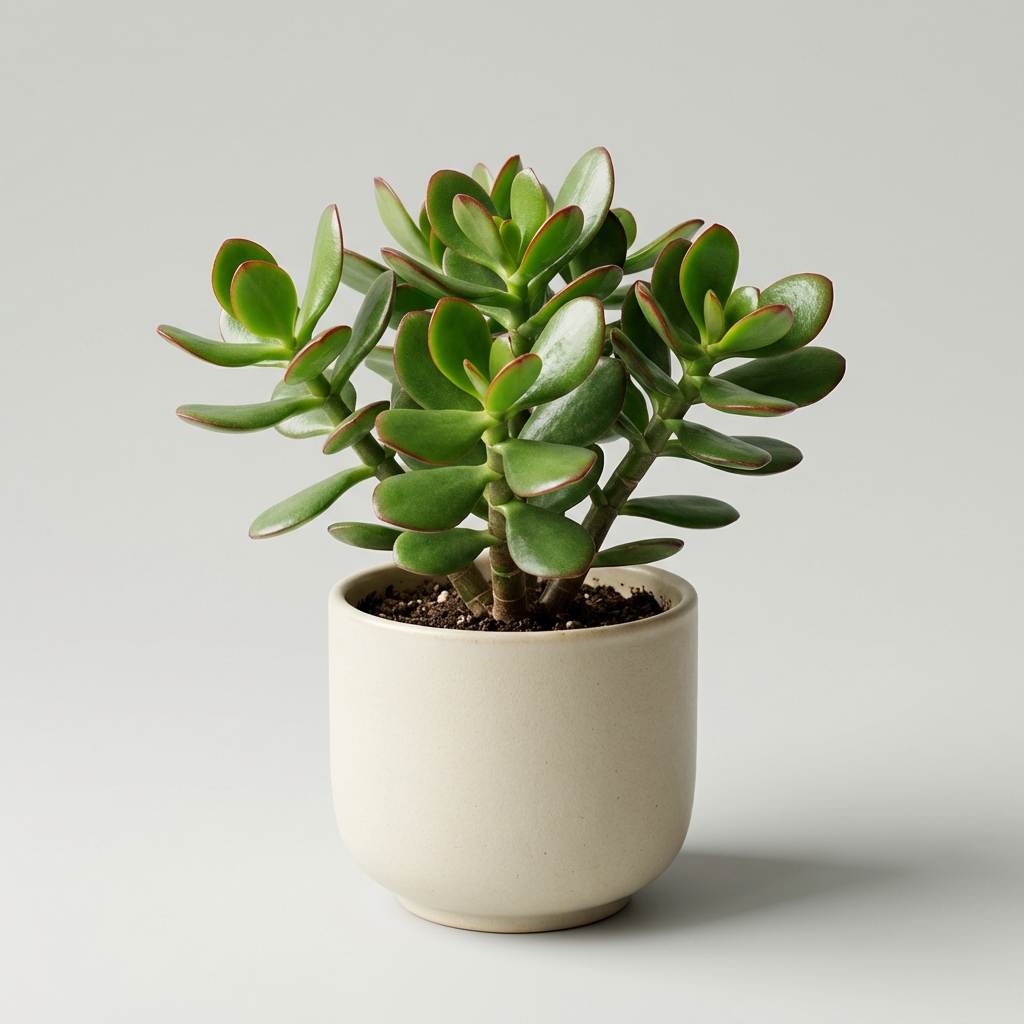
Jade Plant
Crassula ovata
Care Level
Easy
Light
Full Sun
Water
Low
Humidity
Low
Jade Plant: The Succulent Architectural Gem
The Quick Dirt
The Crassula ovata (Jade Plant) is a miniature tree that asks for very little and offers decades of steady growth. It needs a sunny spot, well-draining soil, and a gardener who understands that sometimes the best care is simply letting the soil dry out completely. It is a plant that grows with you, year after year, becoming a sturdy focal point in your home.
The Deep Dive
I have always admired the Jade Plant. It doesn’t rush. It doesn’t demand attention. It just sits there, thickening its woody trunk and plumping up its oval leaves, year after year. Originally from South Africa, it is a plant built for the long haul. In the world of plants, the Jade is an old soul.
I. Light: The Desert Sun
Mine spend the whole day in a south-facing window, and they could not be happier. They want bright, direct light for as many hours as you can give them. A south-facing window is ideal because it lets them catch those intense afternoon rays.
If they get enough sun, you might even see a beautiful reddish blush on the edges of the leaves—that is “sun stress,” but in a healthy, natural way. If your Jade is starting to look thin and its stems are stretching out (a process called etiolation), it is telling you it is desperate for more light. Listen to what the leaves are telling you—thick, compact growth is the goal. Move it as close to the glass as possible.
II. Water: The Art of the Plump Leaf
The Jade Plant is a master at storing its own resources. It holds onto water in those fleshy, oval leaves. I check mine by touch rather than by a calendar. If the leaves feel firm and fat, the plant is full. If they start to look slightly wrinkled or feel a bit soft when you give them a gentle squeeze, it is finally time for a drink.
I wait until the soil is dry all the way through, from top to bottom. In most homes, that is once every three or four weeks. When you do water, soak the soil until it runs out the drainage holes, then immediately dump the saucer. Overwatering is the only real way to break a Jade’s heart. Stagnant water leads to mushy brown leaves and root rot. If you are in doubt, wait another three days. Gardening is a practice of patience.
III. Maintenance: The Miniature Forest
One of the greatest joys of a Jade is that you can shape it. I treat mine like a slow-motion bonsai. If a branch gets too long or the plant starts to look unbalanced, I just snip it off just above a leaf node. The plant will usually sprout two new branches from that spot, making it look bushier and more tree-like over time.
Those leaves also collect a surprising amount of dust. Every month, I take a damp cloth and gently wipe down each leaf. It keeps the green looking vibrant and ensures the plant can photosynthesize effectively. Clean leaves are healthy leaves. Keep your hands dirty and your mind clear as you tend to the small details.
IV. Potting: The Snug Fit
Jades actually like being slightly root-bound. I only move mine to a larger pot every few years, and even then, I only go up one size. They prefer a heavy pot—like terracotta—because as they get older and their trunks thicken, they can become quite top-heavy. The porous clay of a terracotta pot also helps the soil dry out faster, which is exactly what a succulent wants. Always ensure there is a large drainage hole at the bottom.
V. Atmosphere
These plants are remarkably tolerant of the dry air in our homes. They don’t need misting or humidifiers. However, they do hate a cold shock. If the temperature drops below 50°F, make sure they aren’t touching a freezing windowpane in the winter. They like a steady, warm environment that mimics the dry hillsides of South Africa.
VI. Common Problems
If the leaves are wrinkly and soft, the plant is thirsty. Give it a deep soak. If the leaves are turning yellow and falling off, and the stem feels soft or mushy, you are overwatering. Stop immediately, let the soil dry out completely, and check for root rot. Listen to what the plant is telling you—it usually sends out the warning signs long before the damage is permanent.
The Focus Moment
The Jade Plant reminds us that true strength is built slowly. It doesn’t need to be the fastest grower in the greenhouse to be the most impressive. Having one in your home is a commitment to the future—it is a plant that might just outlive us all if we treat it with a bit of respectful neglect. It reminds us to value the things that grow steadily and surely. Keep your hands dirty and your mind clear.
Want more plant tips? Follow us on Facebook!
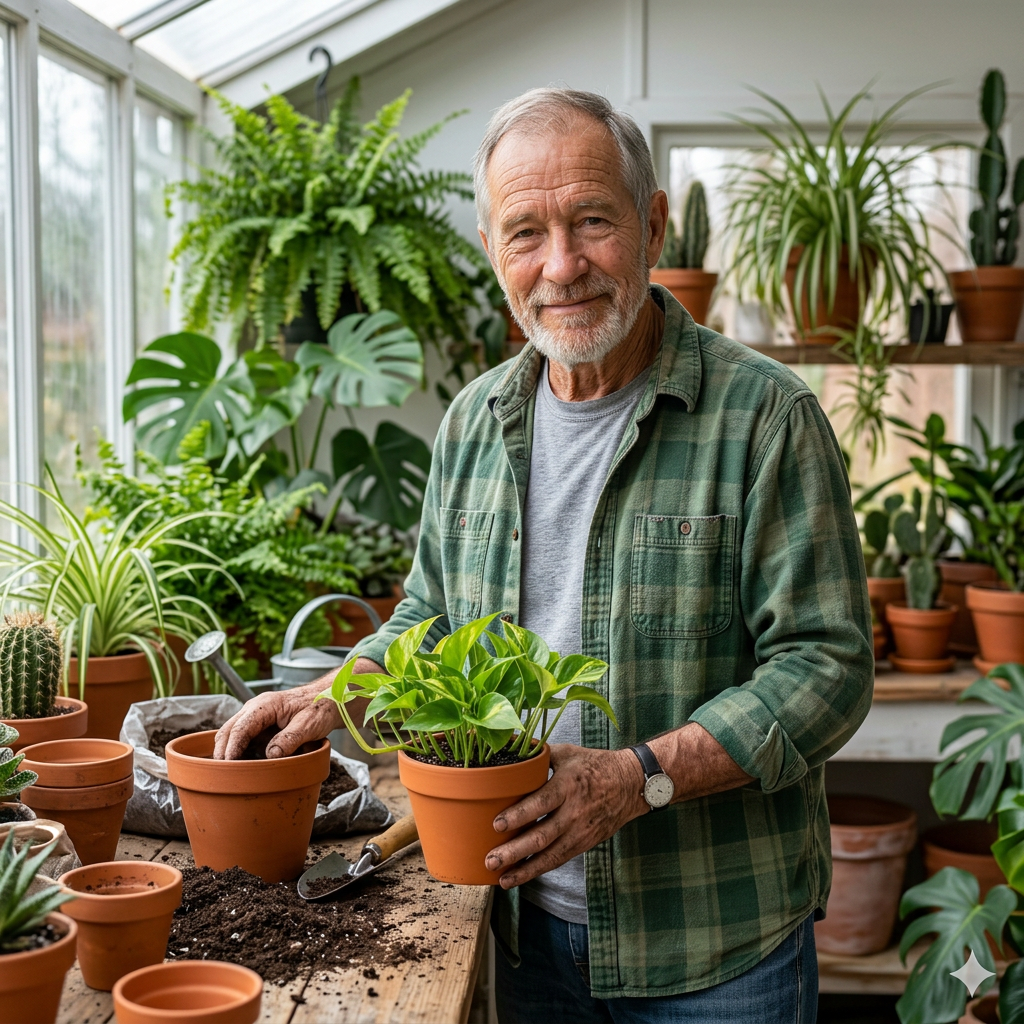
About the Author
Silas
The Practical Greenhouse Mentor
"Silas treats the greenhouse like a workshop of practical results. After 40 years of dirty hands, he’s learned that thriving plants are the result of honest observation and small, correct moves rather than luck. He’s the neighbor who knows exactly why your Pothos is pouting and how to fix it without the fuss."