
The Fiddle Leaf Fig: Respecting the Masterpiece
Master the art of growing the iconic Fiddle Leaf Fig. Silas explains why their reputation for being 'fussy' is just a misunderstanding of their tropical roots.
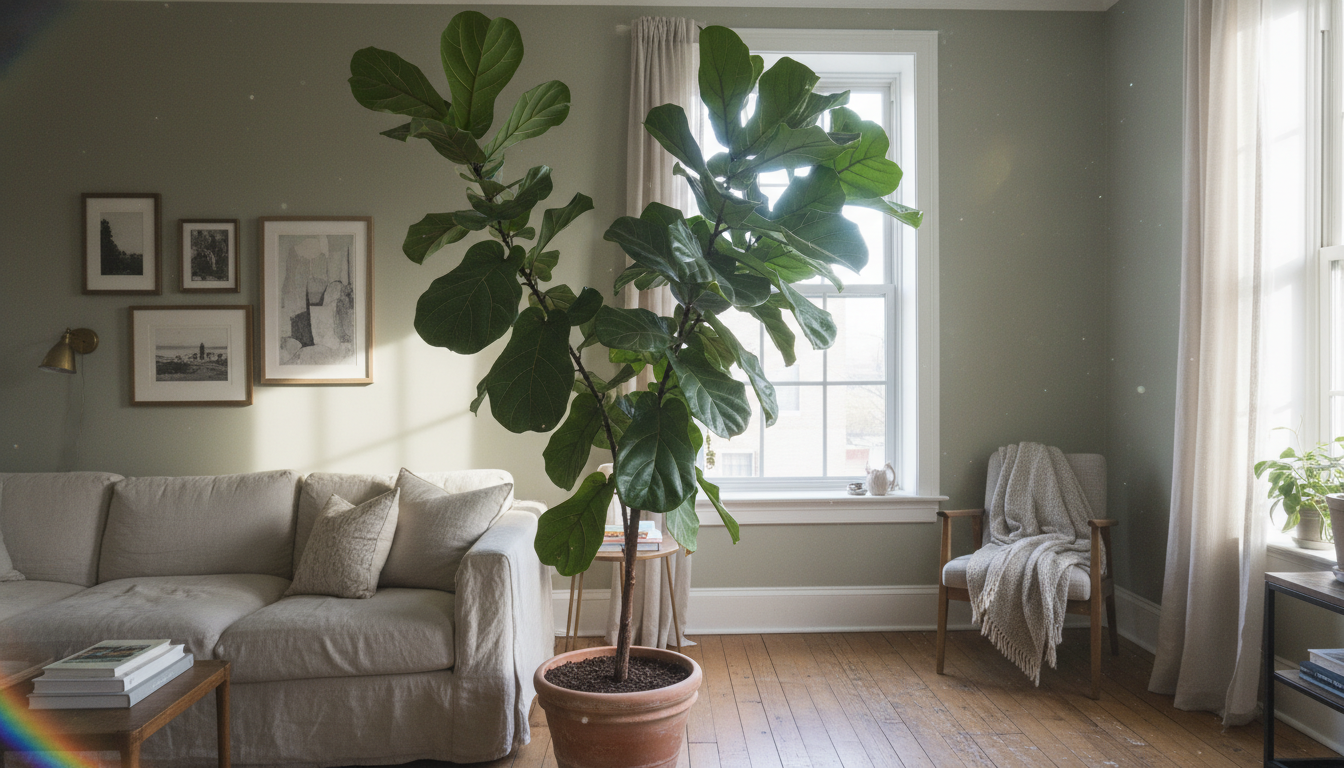
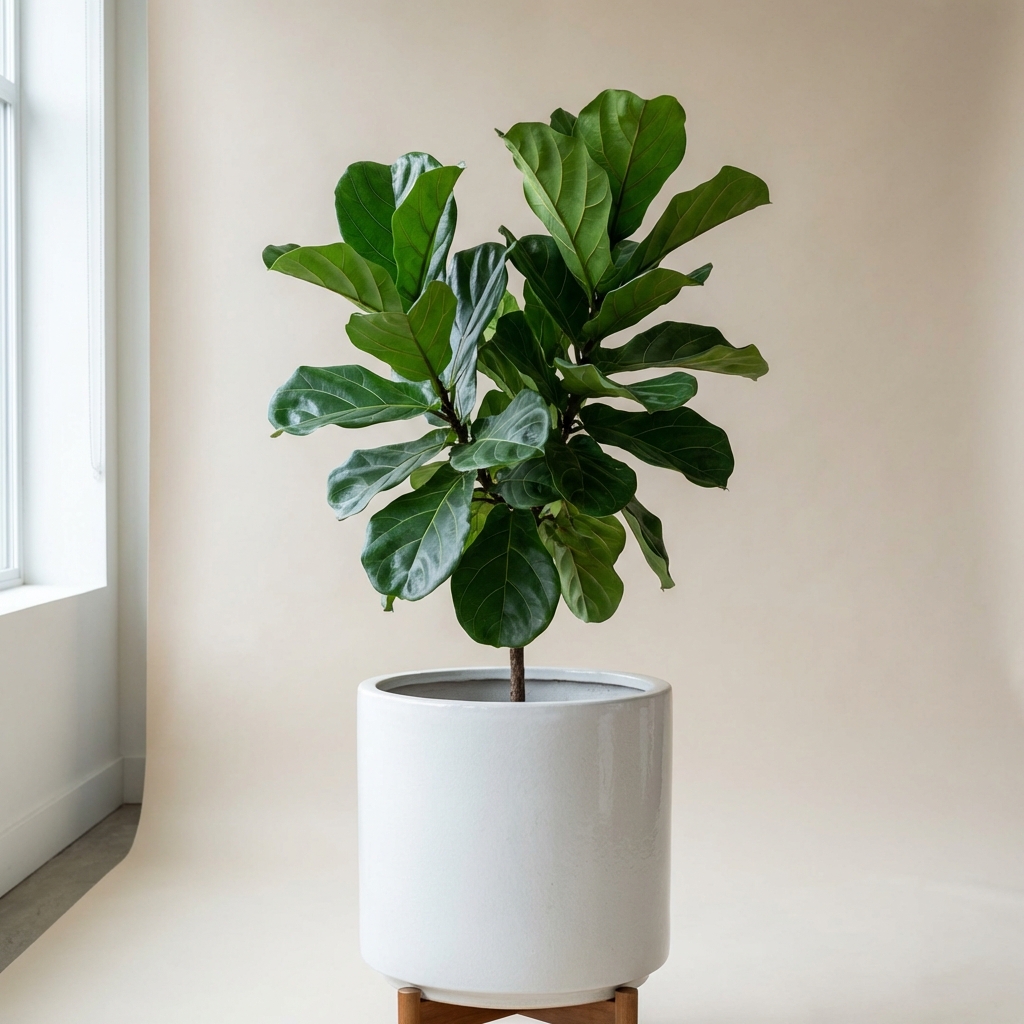
Fiddle Leaf Fig
Ficus lyrata
Care Level
Moderate
Light
Bright Indirect
Water
Moderate
Humidity
High
Fiddle Leaf Fig: The Ultimate Statement Plant
The Quick Dirt
The Ficus lyrata (Fiddle Leaf Fig) is the cornerstone of many indoor jungles. It requires bright, consistent light, a steady watering hand, and a gardener who doesn’t like to move furniture around. It has a reputation for being difficult, but in reality, it just values stability and a clean environment. It is a masterpiece of a plant for the patient mentor.
The Deep Dive
I have heard people call the Fiddle Leaf Fig “the heartbreaker.” They buy one, it looks beautiful for a month, and then it starts dropping leaves like it is in a race to be bare. But here is what I have learned: the Fiddle isn’t mean; it is observant. It notices every change in light, every draft, and every layer of dust. To grow a Fiddle is to practice the art of paying attention.
I. Light: The Non-Negotiable
In my experience, if you don’t have a very bright room, do not get a Fiddle Leaf Fig. You will both end up unhappy. These giants are built to absorb a massive amount of energy through their large leaves. They want to see the sun, but through a filter. A spot directly in front of a window that gets great indirect light all day is the only real option.
If you put it in a dark corner, the plant will start to drop its lower leaves to save energy. It’s a survival tactic, but it leaves you with a “lollipop” look that is hard to fix. Listen to what the leaves are telling you—they need the light to maintain those massive, violin-shaped structures. If the new leaves are coming in small or thin, move the plant into the spotlight.
II. Water: The Consistency Test
These plants hate surprises. They want their water on a steady rhythm. I wait until the top two or three inches of soil are dry. I don’t use a calendar; I use my hand. Stick your finger deep into the mix—if it feels like a wrung-out sponge, wait another day. If it feels dry and gritty, it’s time.
Soak it thoroughly until the water runs out the bottom drainage holes. If your pot doesn’t have drainage, you are playing a dangerous game. Stagnant water at the bottom leads to root rot, which shows up as dark, mushy brown spots in the center of the leaves. Gardening is a practice of patience, and waiting for that soil to dry between deep soaks is the secret to a healthy Ficus.
III. Stability: The Homebody Rule
Fiddle Leaf Figs are homebodies. They spent millions of years evolving to stay in one spot in the African rainforest. When you move them from the store to your house, they get stressed. When you move them from the living room to the bedroom, they get stressed.
Pick a spot, make sure it is the right one, and then leave it there. They will go through a period of “settling in” where they might drop a leaf or two. Don’t panic and move it again. Let it find its footing. A thriving Fiddle Leaf Fig is a sign of a gardener who is consistent and doesn’t chase every new trend.
IV. Atmosphere: Humidity and Drafts
While they aren’t as finicky as a fern, these plants do appreciate a bit of moisture in the air. If your home is very dry, especially in the winter, you might see the edges of the leaves becoming brittle. A humidifier nearby is a good idea.
More importantly, keep them away from drafts. An AC vent blowing cold air or a drafty door in the winter will shock the plant and cause it to drop its most beautiful leaves in protest. They like a steady, warm atmosphere that mimics the stillness of the jungle.
V. Maintenance: Breathing Through the Dust
Those leaves are huge, and they collect a surprising amount of dust. Every two weeks, I make it a point to wipe the leaves down with a soft, damp cloth. It is a quiet, meditative task that keeps the plant healthy.
If the leaves are dusty, the plant cannot “breathe” or eat the sun efficiently. Be gentle as you wipe—the leaves are more fragile than they look, especially the new, bright green ones at the top. While you’re cleaning, look for any unwanted guests like scale or mealybugs that might be hiding in the crevices.
The Focus Moment
A thriving Fiddle Leaf Fig is a sign of a stable home. It rewards the gardener who is consistent and patient. It is not a plant for the chaotic, but for those who find peace in a steady routine. It reminds us that some of the best things in life take time to settle in and find their place. Keep your hands dirty and your mind clear, and let this architectural giant be the anchor of your sanctuary.
Want more plant tips? Follow us on Facebook!

About the Author
Silas
The Practical Greenhouse Mentor
"Silas treats the greenhouse like a workshop of practical results. After 40 years of dirty hands, he’s learned that thriving plants are the result of honest observation and small, correct moves rather than luck. He’s the neighbor who knows exactly why your Pothos is pouting and how to fix it without the fuss."