
The Cast Iron Plant: A Legend of Resilience
Master the care of the legendary Cast Iron Plant. Silas shares why this Victorian favorite is the ultimate choice for low-light spaces and busy lives.
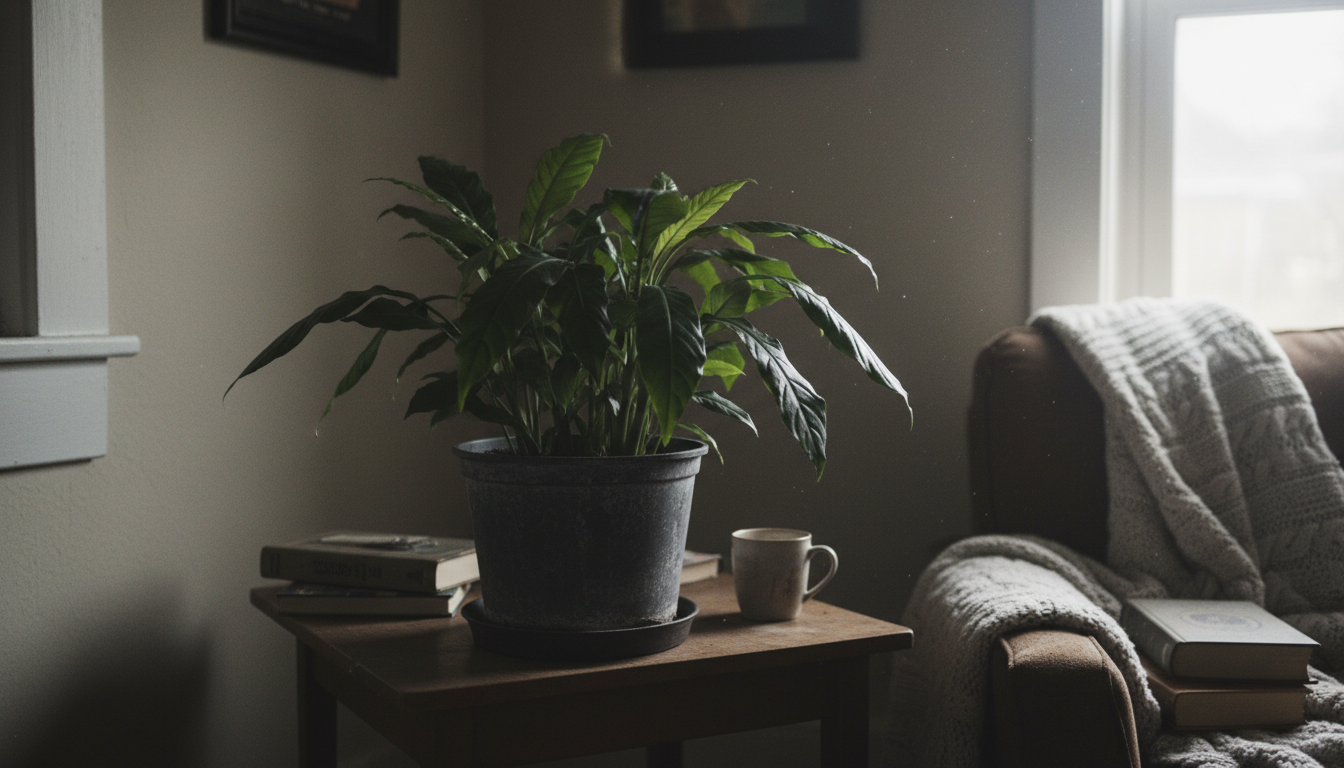
Cast Iron Plant: The Structural Legend
The Quick Dirt
The Aspidistra elatior (Cast Iron Plant) is the unkillable hero of the plant world. It survives in low light, handles dry air with ease, and asks for very little water. It is a slow-growing, steady companion that rewards the gardener who values longevity over fast growth. It is a quiet focal point for the busiest of homes.
The Deep Dive
There is a quiet dignity to a Cast Iron Plant that I have always respected. They were a staple in Victorian parlors because they could survive the dim light and the heavy soot of coal-burning heaters. If they could handle that, they can handle your hallway. They are not flashy, but they are incredibly honest.
I. Light: The Low-Light Champion
In my greenhouse, the Aspidistra is the one I tuck into the deep shadows where nothing else will grow. They love medium to low indirect light. They are the perfect choice for that dark hallway or a north-facing corner far from a window. Whatever you do, keep them out of the direct sun. Their deep green leaves are sensitive and will scorch into brown, papery patches in a single afternoon of direct light. Listen to what the leaves are telling you—if they look rich and dark, the light is just right.
II. The Art of Neglect: Watering
The quickest way to kill a Cast Iron Plant is to love it too much with the watering can. These plants have tough, thick leaves and sturdy rhizomes under the soil that store exactly what they need. I wait until the soil is 100% dry—all the way to the bottom of the pot. In most homes, that is once every three or four weeks. When you do water, soak it thoroughly until the water runs out the bottom, then immediately dump the saucer. They hate having “wet feet.” Gardening is a practice of patience, and waiting for that soil to dry is the greatest gift you can give an Aspidistra.
III. Maintenance: The Long Game
You have to accept that the Cast Iron Plant is a slow mover. It might only put out two or three new leaves a year. Because those leaves last for years, they collect a significant amount of dust. Every month, I take a damp cloth and gently wipe down each leaf. It is a quiet, meditative task that helps the plant breathe and keeps that architectural green looking its best. If an old leaf eventually turns yellow or brown, snip it off as close to the soil line as possible with clean shears.
IV. Atmosphere: Rugged Adaptability
Unlike your finicky tropicals, the Cast Iron Plant isn’t bothered by drafts or temperature shifts. It can handle the dry air of a winter home without needing a humidifier. It is a rugged survivor that respects a quiet life. It doesn’t need misting or special treatment—it just needs you to provide a steady environment and then leave it alone. Cast Iron Plants need a well-draining, general-purpose potting soil and prefer to be a bit “snug” in their pots.
The Focus Moment
The Cast Iron Plant reminds us that there is power in being steady. It doesn’t need to be the center of attention to be essential. It is a plant that respects a quiet life and offers a sense of permanence in a world that is always rushing. Having one in your home is a reminder to slow down and value the things that last. Keep your hands dirty and your mind clear.
Want more plant tips? Follow us on Facebook!
About the Author
Silas
The Practical Greenhouse Mentor
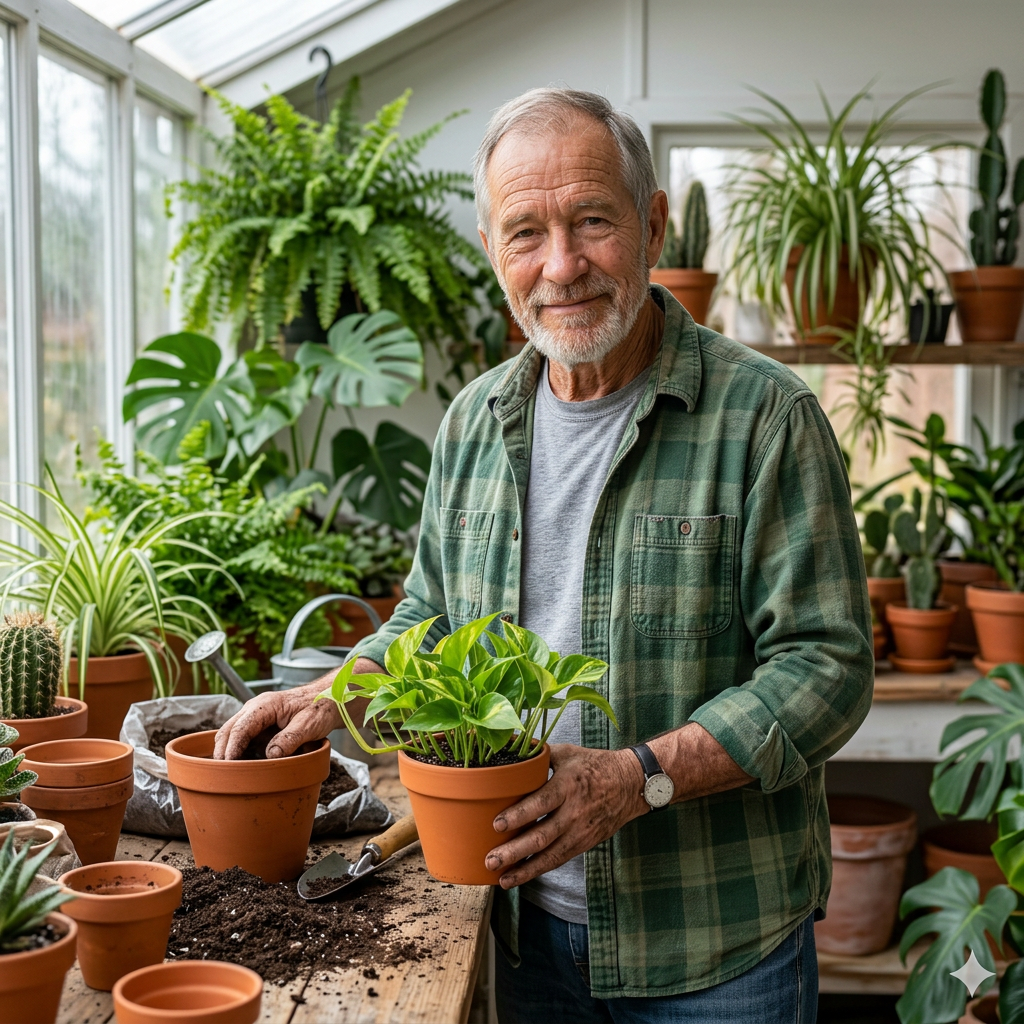
"Silas treats the greenhouse like a workshop of practical results. After 40 years of dirty hands, he’s learned that thriving plants are the result of honest observation and small, correct moves rather than luck. He’s the neighbor who knows exactly why your Pothos is pouting and how to fix it without the fuss."