
The Brown Leaf Decoder: A Conversation with Your Plant
Don't panic when you see a brown leaf. Silas helps you decode the messages your plants are sending—from crispy tips to soggy spots—and how to nurse them back to health.
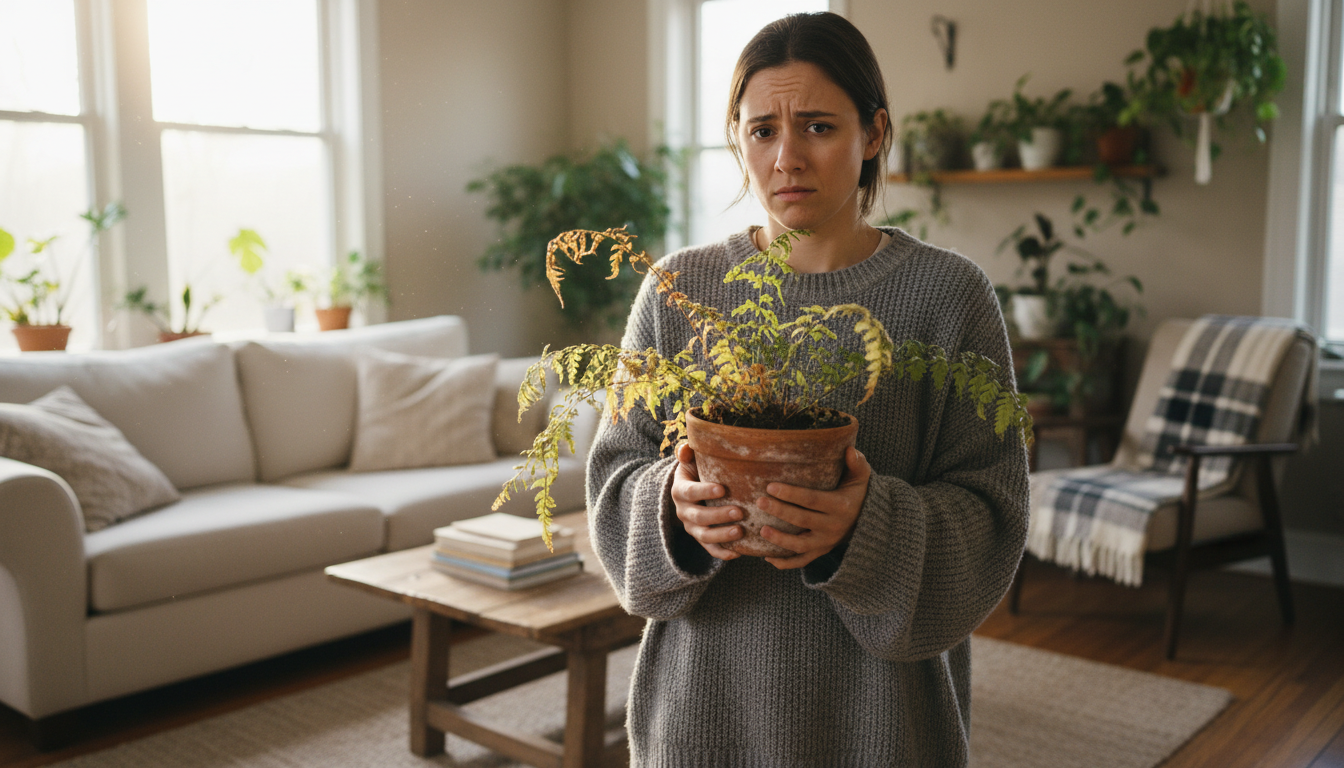
The Brown Leaf Decoder: Listening to the Leaves
The Quick Dirt
A brown leaf isn’t a failure; it is a message. Whether it is crispy tips from dry air or mushy spots from too much water, your plant is telling you exactly what it needs. Decode the symptoms, adjust the environment, and remember that gardening is a practice of trial and error. It’s a conversation that never really ends.
The Deep Dive
I have been gardening for forty years, and I still find brown leaves on my plants. It happens to the best of us. When you see one, the first thing I want you to do is take a breath. Don’t reach for the scissors yet. Instead, listen to what the leaves are telling you. The texture and placement of the brown tell the story.
I. Crispy, Brown Tips: The Search for Moisture
This is the most common complaint I hear from people with Spider Plants, Ferns, or Calatheas. The air in our modern homes is often far too dry for these jungle natives. Tropical plants pull moisture from their roots all the way to their tips. If the air is dry, the moisture evaporates from those tips faster than the roots can supply it.
Boost the humidity by grouping your plants together or using a pebble tray. Also, check your water. Sometimes the minerals in tap water—like fluoride—accumulate at the tips and “burn” the tissue. Using rainwater or distilled water can make a world of difference for the new growth. Listen to what the leaves are telling you—those crispy ends are a cry for a softer atmosphere.
II. Dry, Paper-Like Edges: The Thirst Alert
If the outer edges of your leaves are curling and feel like old parchment, the plant is dehydrated. It usually means the soil has stayed dry for too long, or the soil has become “hydrophobic.” This is when the dirt is so dry that water just runs down the sides of the pot without ever actually soaking the roots.
Give it a deep soak. I like to put the pot in a sink with a few inches of water and let it drink from the bottom for 30 minutes. This ensures the entire root ball is hydrated. Gardening is a practice of patience, and waiting for that soil to fully absorb the water is essential for a recovery.
III. Dark, Mushy Brown Spots: The Root SOS
These spots are the ones that should make you stop and pay attention. They are often soft to the touch and might have a yellow ring or “halo” around them. This is the most dangerous sign. It usually indicates overwatering or the beginning of root rot. The roots are suffocating in stagnant water and can no longer support the leaves.
Stop watering immediately. Check the roots. If they are black and slimy instead of white and firm, you need to perform emergency surgery. Trim the rot and repot in fresh, dry soil. Improving the airflow around the plant with a small fan can also help prevent these fungal issues.
IV. Entire Leaf Browning: The Natural Cycle
If a single leaf at the very bottom of the plant slowly turns yellow and then brown, don’t worry. This is natural aging. The plant is shedding old weight to focus its energy on the new growth at the top. It’s a healthy part of the lifecycle. However, if many leaves turn brown all at once, the plant is in shock. Check for sudden temperature drops or a severe lack of light.
V. To Snip or Not to Snip?
I get asked this every day. For aesthetic reasons, yes, you can trim brown tips off. Follow the natural shape of the leaf and leave a tiny sliver of brown so you do not cut into the “living” green tissue, which can cause more browning.
But if a leaf is more than 50% brown, it is no longer helping the plant photosynthesize. It is a drain on resources. It is better to remove the entire leaf so the plant doesn’t waste energy trying to save it. Use clean, sharp shears and make a clean cut at the base of the stem.
The Focus Moment
We often want our plants to be perfect, like the ones in the magazines. But real life is messy, and real plants have character. A brown leaf is just a chapter in the story of your indoor jungle. It’s a reminder that growth involves shedding the old and adapting to the new. Learning to read these signs is how you become a better mentor to your plants. Keep your hands dirty and your mind clear.
Want more plant tips? Follow us on Facebook!
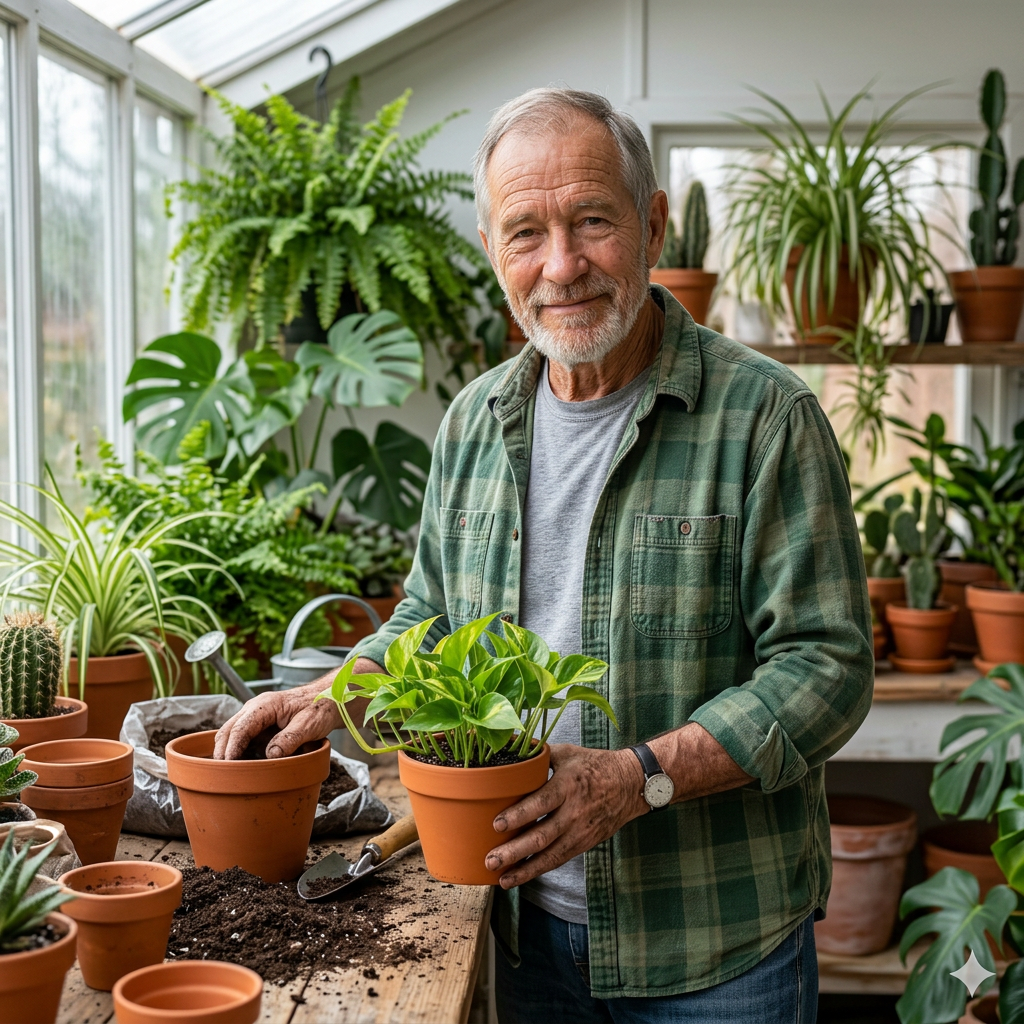
About the Author
Silas
The Practical Greenhouse Mentor
"Silas treats the greenhouse like a workshop of practical results. After 40 years of dirty hands, he’s learned that thriving plants are the result of honest observation and small, correct moves rather than luck. He’s the neighbor who knows exactly why your Pothos is pouting and how to fix it without the fuss."