
Boston Fern: The Timeless Green Fountain
Master the art of growing the iconic Boston Fern. Silas shares his secrets for humidity, consistent watering, and how to keep those delicate fronds from drying out.
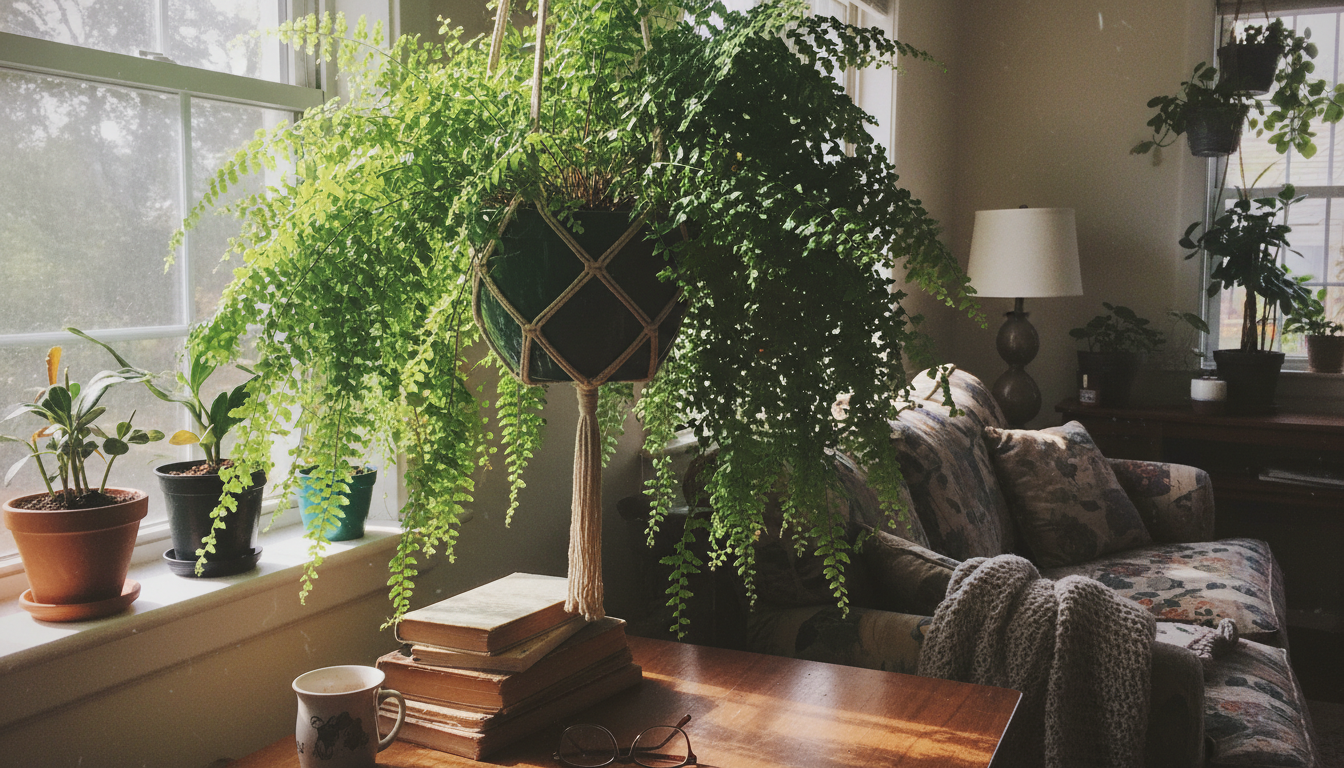
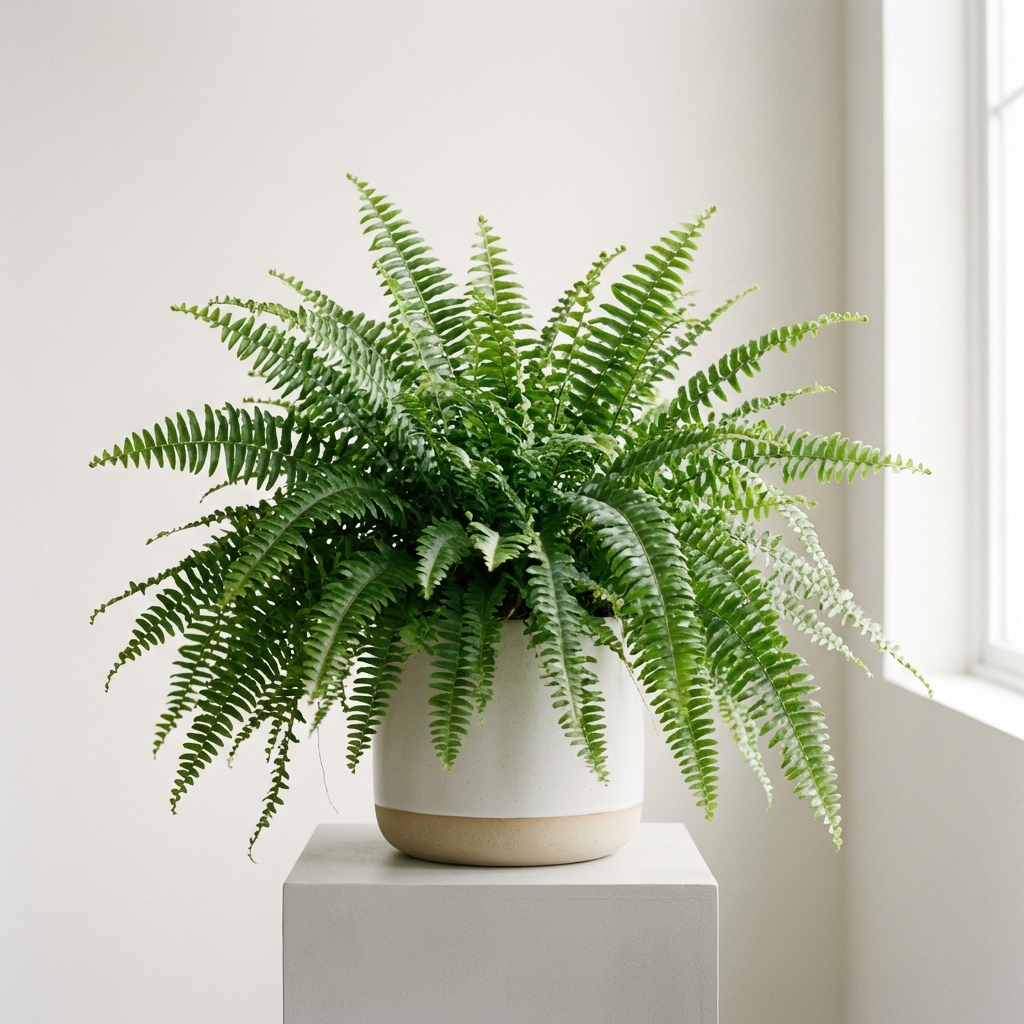
Boston Fern
Nephrolepis exaltata
Care Level
Moderate
Light
Bright Indirect
Water
High
Humidity
High
Boston Fern: The Timeless Green Fountain
The Quick Dirt
The Nephrolepis exaltata (Boston Fern) is the hallmark of a lush indoor garden. It requires high humidity, consistent moisture, and bright, indirect light. It is not a “set it and forget it” plant, but for the gardener who enjoys a daily ritual, there is nothing more rewarding than these feathery green fountains.
The Deep Dive
I have always thought of the Boston Fern as the heartbeat of a greenhouse. Those long, feathery fronds have a way of softening the edges of a room. They have been popular since the Victorian era for a reason—they bring a sense of cool, shaded forest air wherever they go. But they are also the first to complain if you forget about them.
I. Light: The Filtered Forest
Think about the forest floor where these ferns began their story. The light there is bright, but it is broken up by the towering trees above. In your home, you want to mimic that “dappled” feeling. A spot near a north or east-facing window is usually ideal. It gives the plant the energy it needs without the heat that destroys it.
Direct afternoon sun is a death sentence for those delicate, paper-thin fronds. It will turn them into a crispy brown mess in a matter of hours. If the light is too low, the plant will start to look sparse and stop producing new growth. Listen to what the fronds are telling you—if they are losing their deep green color and looking “bleached,” they are seeing too much of the sky.
II. Humidity: The Priority
In my experience, humidity is the most critical factor for a Boston Fern’s success. These are tropical plants that want to breathe wet air. Ideally, they want 60% humidity or higher. In a dry home, especially during the winter when the heater is running, the plant will start to drop its tiny leaflets all over your floor.
I do not find misting to be very effective; it provides moisture for five minutes and then it is gone. Instead, use a dedicated humidifier or group your fern closely with other plants. A bathroom with a window is often the best spot because of the steam from the shower. If you see the tips of the fronds turning brown and crunchy, the air is too thirsty.
III. Water: Finding the Rhythm
Boston Ferns hate to be dry. Even once. I check mine every single morning. Gardening is a practice of patience, and the daily check of a fern’s soil is a great way to ground yourself. I wait until the very surface of the soil feels like it is starting to lose its dampness, then I water.
While they love moisture, they still hate sitting in a puddle. Always use a pot with plenty of drainage holes. When you water, soak the soil thoroughly at the sink until it runs out the bottom, then let it drain completely before putting it back. If the lower fronds are turning yellow and the stems feel soft, you are being too generous. If the entire plant looks limp and gray, it is desperate for a drink.
IV. Maintenance: Grooming the Fountain
A Boston Fern will naturally drop its older, lower fronds as it grows. To keep the plant looking its best, I keep a pair of sharp snips nearby. Whenever I see a brown or yellow stem at the base, I snip it off as close to the soil as possible. It keeps the plant looking tidy and allows the air to circulate through the center of the crown, which prevents rot.
Those feathery fronds are also dust-magnets. Every few weeks, I take mine to the shower and give it a very gentle, room-temperature rinse. It mimics a tropical rain and clears away the dust so the plant can breathe. Just make sure to let it drain thoroughly afterward.
V. Soil & Potting
Boston Ferns need a soil that can hold moisture without becoming heavy and compacted. I use a peat-based potting mix with a good amount of perlite for aeration. They also enjoy being a bit “snug” in their pots. I only move mine to a larger container when I find myself needing to water every single day just to keep it from wilting.
The Focus Moment
A thriving Boston Fern is a sign of a gardener who is present. It doesn’t ask for much specialized care, just that you show up every day. In our busy world, that daily ritual of checking the soil and the air can be a form of meditation. It reminds us that consistency is more important than grand gestures. Keep your hands dirty and your mind clear, and let this ancient plant bring a sense of forest peace to your home.
Want more plant tips? Follow us on Facebook!

About the Author
Silas
The Practical Greenhouse Mentor
"Silas treats the greenhouse like a workshop of practical results. After 40 years of dirty hands, he’s learned that thriving plants are the result of honest observation and small, correct moves rather than luck. He’s the neighbor who knows exactly why your Pothos is pouting and how to fix it without the fuss."