Begonia maculata: The Polka Dot Queen of the Forest
Master the care of the stunning Begonia maculata. Silas explains how to navigate their light needs, their love for humidity, and why they are the ultimate conversation starter.
Begonia maculata: The Artist of the Rainforest
The Quick Dirt
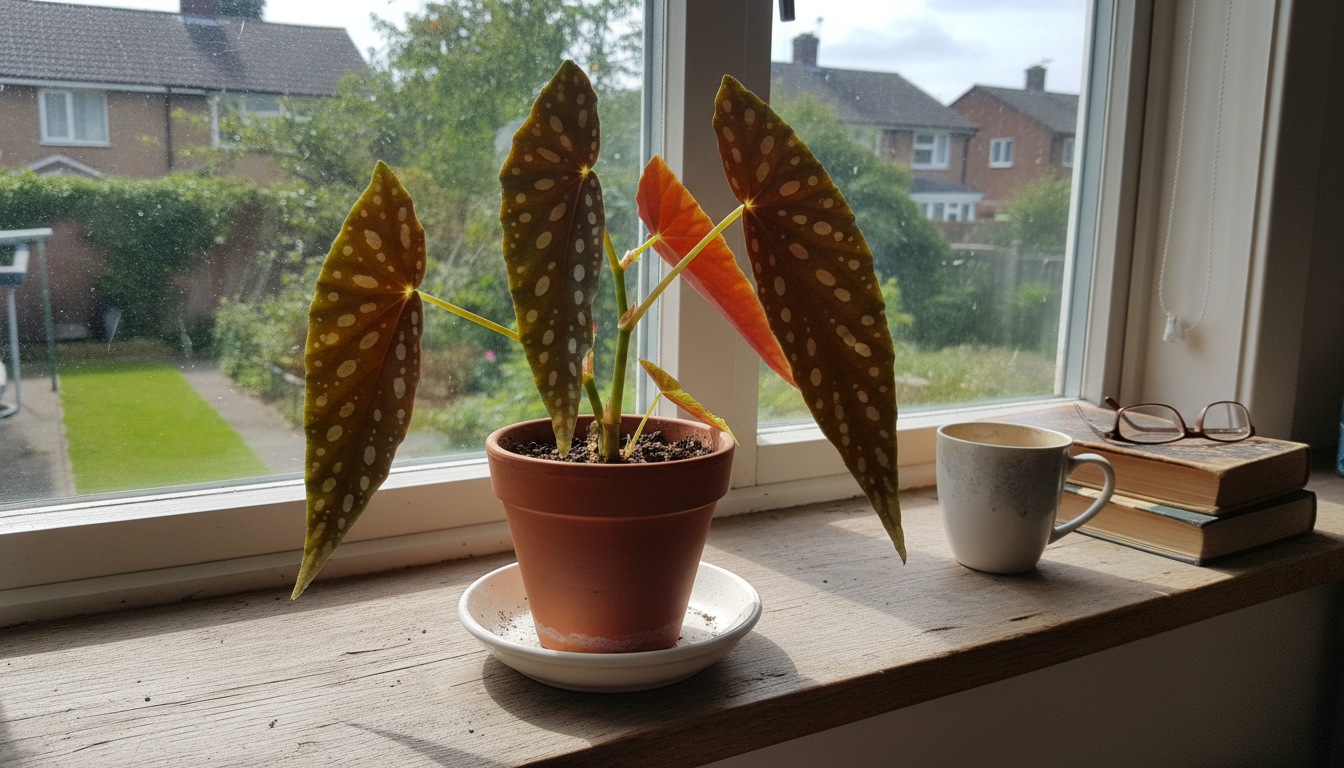
The Begonia maculata (Polka Dot Begonia) is a showstopper that looks like it was painted by hand. It thrives in bright, indirect light and wants to stay consistently moist but never soggy. If you can handle a bit of humidity, it will reward you with fast growth and even delicate clusters of white flowers that hang like tiny bells.
The Deep Dive
I remember the first time I saw a Begonia maculata. I thought someone had played a prank and used a silver marker on the leaves. But no, that is just nature being flamboyant. These Brazilian natives are cane begonias, meaning they grow tall and sturdy on bamboo-like stems. They have a reputation for being divas, but once you find their rhythm, they are surprisingly easy to live with.
I. Light: The Dappled Floor
In their natural habitat, these plants live beneath the canopy of towering tropical trees. They want that same “dappled” feeling in your home. To mimic this, place your begonia in a spot that receives bright, indirect light. An east-facing window is often perfect, offering gentle morning sun without the heat of the afternoon.
You should avoid direct afternoon sunlight at all costs. The intense rays will quickly scorch those beautiful leaves, turning the silver dots into brown, crispy patches that never recover. Listen to what the leaves are telling you—if the leaves start to lose their vibrant burgundy underside or the plant begins to lean hard toward the window, it is starving for more filtered light.
II. Water: The Goldilocks Zone
Watering is where most enthusiasts encounter trouble. The Begonia maculata prefers the middle ground—not too wet, and not too dry. I wait until the top inch of soil feels dry to the touch before watering again. When you do water, do so thoroughly until liquid drains from the bottom of the pot, then stop immediately.
Never let the plant sit in standing water. Begonias are highly susceptible to root rot if their feet stay wet for too long. Gardening is a practice of patience, and with begonias, it is better to check the soil every few days with your finger than to stick to a rigid weekly schedule. Also, avoid getting water on the leaves themselves. The silver spots are stunning, but the leaves are prone to fungal issues like powdery mildew if they remain wet in stagnant air.
III. Humidity & Temperature
Coming from the rainforest, this plant craves humidity. Aim for a level between 45% and 60%. If your home is dry, especially during the winter when the heater is running, you will notice the edges of the leaves turning brown and brittle. To fix this, use a small humidifier nearby or place the pot on a tray filled with pebbles and water.
Temperature-wise, keep your begonia in a range between 65°F and 75°F. They are very sensitive to cold drafts and sudden temperature fluctuations. Keep them away from AC vents in the summer and drafty doors in the winter. They are sensitive souls that value a steady atmosphere.
IV. Soil & Potting
The key to a happy Polka Dot Begonia is drainage. A heavy, dense soil will suffocate the delicate root system. I use a high-quality, well-draining potting mix—usually a blend of two parts peat moss or coco coir to one part perlite. This allows the soil to retain enough moisture to keep the plant hydrated while letting excess oxygen reach the roots.
When choosing a pot, ensure it has drainage holes. While terracotta is a beautiful option, keep in mind that it wicks moisture away quickly. If you use terracotta, you may find yourself watering more frequently than you would with plastic or glazed ceramic.
V. Maintenance: Supporting the Queen
Because the Begonia maculata is a cane begonia, it can grow quite tall—sometimes reaching three feet or more indoors. As it grows, it may become top-heavy. I use simple bamboo stakes and soft plant ties to support the “canes” and keep the plant upright.
Don’t be afraid to prune. If your plant is looking sparse or too tall, pinch back the stems just above a leaf node. This encourages the plant to branch out, resulting in a bushier, fuller appearance. Also, remember to clean those leaves. Dust accumulates on the large surface area, blocking light absorption. Gently wipe the leaves with a damp cloth every few weeks to keep the silver spots shining.
VI. Common Problems
If your begonia starts dropping leaves, don’t panic. This is usually a sign of stress—often a sudden temperature drop, a cold draft, or a significant change in light. If you see white, flour-like spots on the leaves, you have a fungal issue like powdery mildew. Improve the air circulation around the plant and treat it gently with neem oil or a natural fungicide.
The Focus Moment
The Begonia maculata is a reminder that beauty often requires a specific kind of environment. It does not ask for much, but it asks for consistency. When you see a new leaf unfurl—crimson on the back and spotted on the front—it is a small, daily miracle. It reminds us to notice the shifts in our own surroundings. Keep your hands dirty and your mind clear, and let this artist of the rainforest bring a bit of theater to your home.
Want more plant tips? Follow us on Facebook!
About the Author
Silas
The Practical Greenhouse Mentor
"Silas treats the greenhouse like a workshop of practical results. After 40 years of dirty hands, he’s learned that thriving plants are the result of honest observation and small, correct moves rather than luck. He’s the neighbor who knows exactly why your Pothos is pouting and how to fix it without the fuss."