
Anthurium crystallinum: The Shimmering Masterpiece
Master the care of the stunning Crystal Anthurium. Silas shares his secrets for soft light, high humidity, and the patience required to grow these velvety giants.
Anthurium crystallinum: The Shimmering Masterpiece
The Quick Dirt
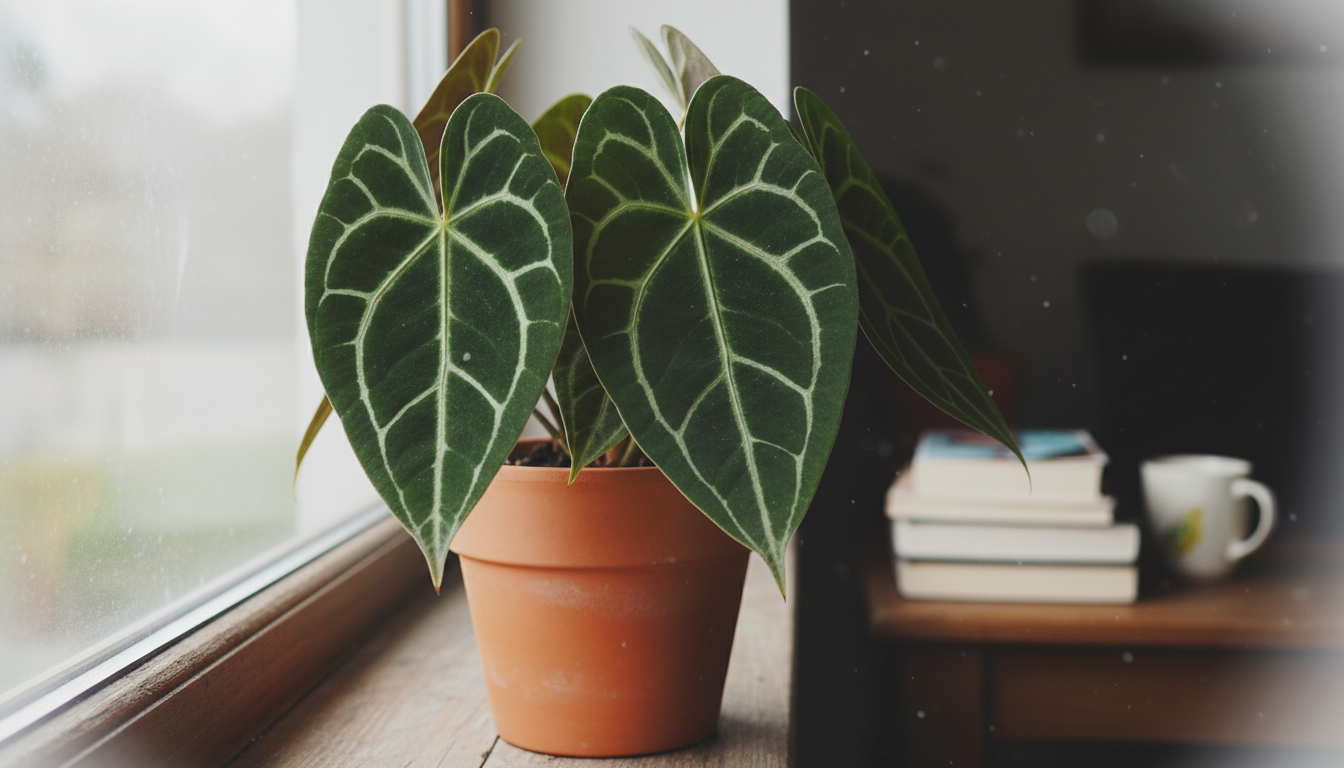
If you have ever wanted a plant that looks like it was carved from emerald velvet and laced with silver, the Anthurium crystallinum is it. It is a plant that demands respect, specifically for its need for thick, humid air and soft, filtered light. It isn’t for the gardener in a rush, but for the one who enjoys the slow, careful mastery of an environment.
The Deep Dive
I have often said that gardening is a practice of paying attention, and the Anthurium crystallinum is perhaps the best teacher of that lesson. Native to the rainforests of Central and South America, it is a plant that doesn’t just grow; it shimmers. But that beauty comes with a set of specific conditions. You have to be willing to listen to what the velvet is telling you.
I. Light: The Dappled Jungle Floor
I often tell people that the Crystallinum is a soft plant. Those velvety leaves aren’t just for show; they are built to absorb every stray photon of light that manages to pierce through the dense canopy of the rainforest. In your home, this means you must be a guardian of the shade.
These plants want bright, indirect light, but with an emphasis on the indirect. If you place it in a south-facing window, you will watch those silver veins turn to scorched brown paper in a single afternoon. I keep mine a few feet back from an east-facing window, where the morning sun is gentle and cool. Listen to what the velvet is telling you—the texture will feel deep and plush when it is happy. If the leaves start to look “washed out,” the plant is starving for more filtered light.
II. Humidity: Breathing Wet Air
In my forty years of gardening, I have found that most people focus on the soil, but with an Anthurium crystallinum, you have to focus on the air. Ideally, your Crystallinum wants to live in an environment with 70% humidity or higher. In a typical modern home, especially in the winter, our air is closer to 30%. When the air is that thirsty, it pulls moisture directly out of the velvet leaves.
You will see the evidence first at the edges: they will become brittle, brown, and start to curl in on themselves. I use a dedicated humidifier to keep the air soft and slightly heavy. If you don’t have one, group your Crystallinum with other large-leaved plants to create a shared pocket of moisture. Never mist those velvety leaves—water sitting on the foliage in a room with low airflow is an invitation for bacterial spots. Fix the moisture in the air, not on the leaf.
III. Water: The Rhythm of the Aroid
Watering an Anthurium is a rhythm you have to learn by touch. Their roots are thick and fleshy, almost like noodles. They want to stay damp, but they also want to breathe. If you keep the soil saturated, those roots will suffocate and turn into mush long before the leaves show you a sign.
I check mine every few days by lifting the pot. A pot full of wet soil is heavy and dense; a thirsty one feels surprisingly light. If you are still unsure, stick your finger two inches into the mix. If it feels like a wrung-out sponge, it is just right. When you do water, do it thoroughly at the sink, letting lukewarm water run through until it drains completely. Gardening is a practice of patience, and waiting for that water to fully drain before putting it back on its saucer is the best way to prevent root rot.
IV. Soil & Potting: Room to Breathe
In the jungle, these plants often grow as epiphytes, meaning their roots are exposed to the air as they cling to trees. They need a mix that reflects that freedom. I make my own “Silas Aroid Mix”: one part high-quality potting soil, one part orchid bark, and one part perlite or pumice. I also throw in a handful of horticultural charcoal to keep the soil sweet.
When you pour water into the top of the pot, it should run out of the bottom within seconds. That is how you know you have enough air pockets. I prefer clear plastic nursery pots tucked inside a decorative one. The clear pot lets me see those thick white root tips—it is a wonderful way to monitor the health of the plant without disturbing it.
V. Maintenance: Tending to the Velvet
Caring for a Crystallinum is a bit like maintaining a piece of fine upholstery. Every two weeks, I take a very soft, dry paintbrush and gently whisk away the dust. Dust blocks the sun and makes the leaves look dull. Keep your hands dirty and your mind clear as you do this—it is a quiet, rhythmic task that lets you inspect the leaves for any pests.
As these plants mature, their stems can get a bit heavy. I use a simple cedar stake or a moss pole to give it something to lean on. It makes the plant feel secure, and often, that security leads to even larger leaves. If an old leaf at the base turns yellow or brown, it is finished its job. Use a clean, sharp blade to snip it off near the soil line to help the plant focus on new growth.
The Focus Moment
When you sit in front of an Anthurium crystallinum, take a moment to look at those veins. It reminds me that the most beautiful systems in our lives—our families, our friendships, our own thoughts—are often the most delicate. They require the right atmosphere to thrive. They need a bit of softness and a lot of consistency. Taking care of this plant isn’t about owning a rare object; it’s about the practice of providing a sanctuary. Keep your hands dirty and your mind clear.
Want more plant tips? Follow us on Facebook!
About the Author
Silas
The Practical Greenhouse Mentor
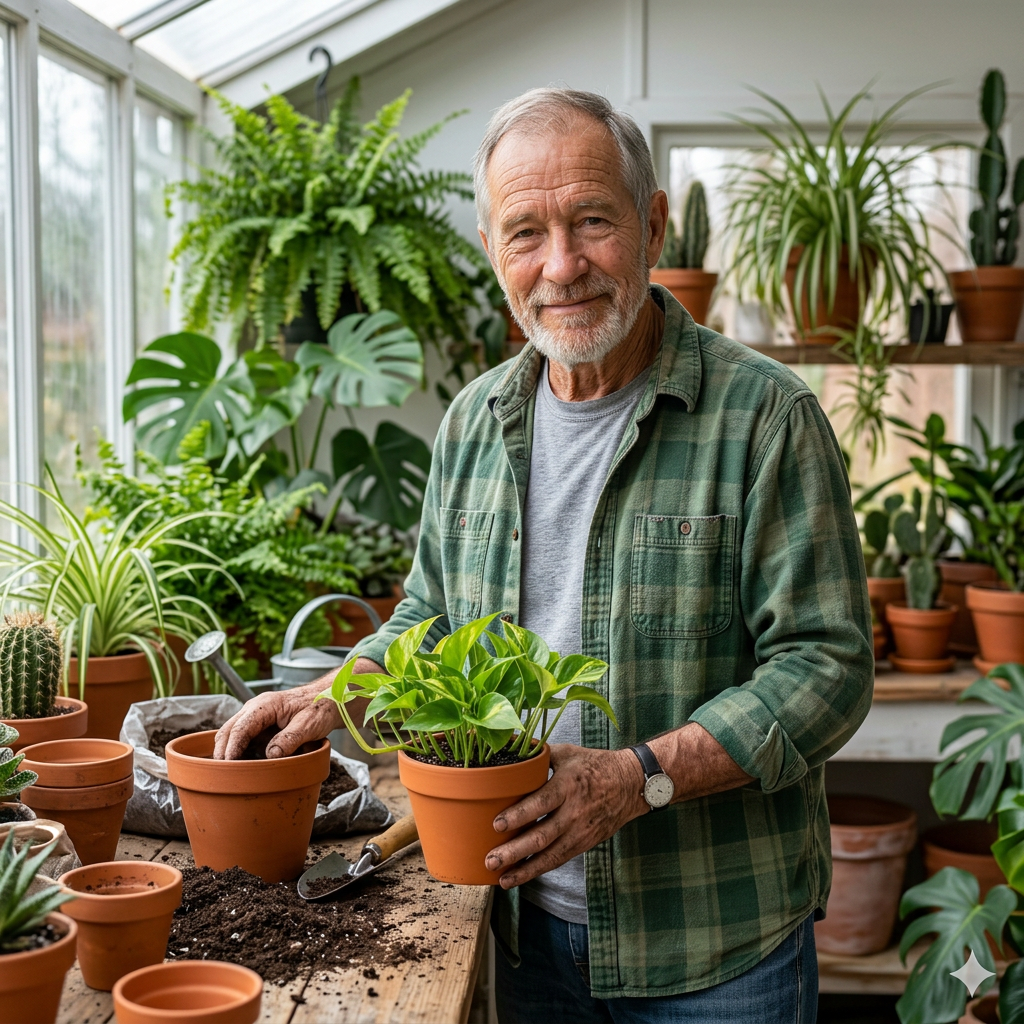
"Silas treats the greenhouse like a workshop of practical results. After 40 years of dirty hands, he’s learned that thriving plants are the result of honest observation and small, correct moves rather than luck. He’s the neighbor who knows exactly why your Pothos is pouting and how to fix it without the fuss."