
Alocasia: Mastering the Drama of the Elephant Ear
Master the care of the dramatic Alocasia. Silas explains how to navigate their light needs, their love for humidity, and why their winter dormancy is just a nap, not the end.
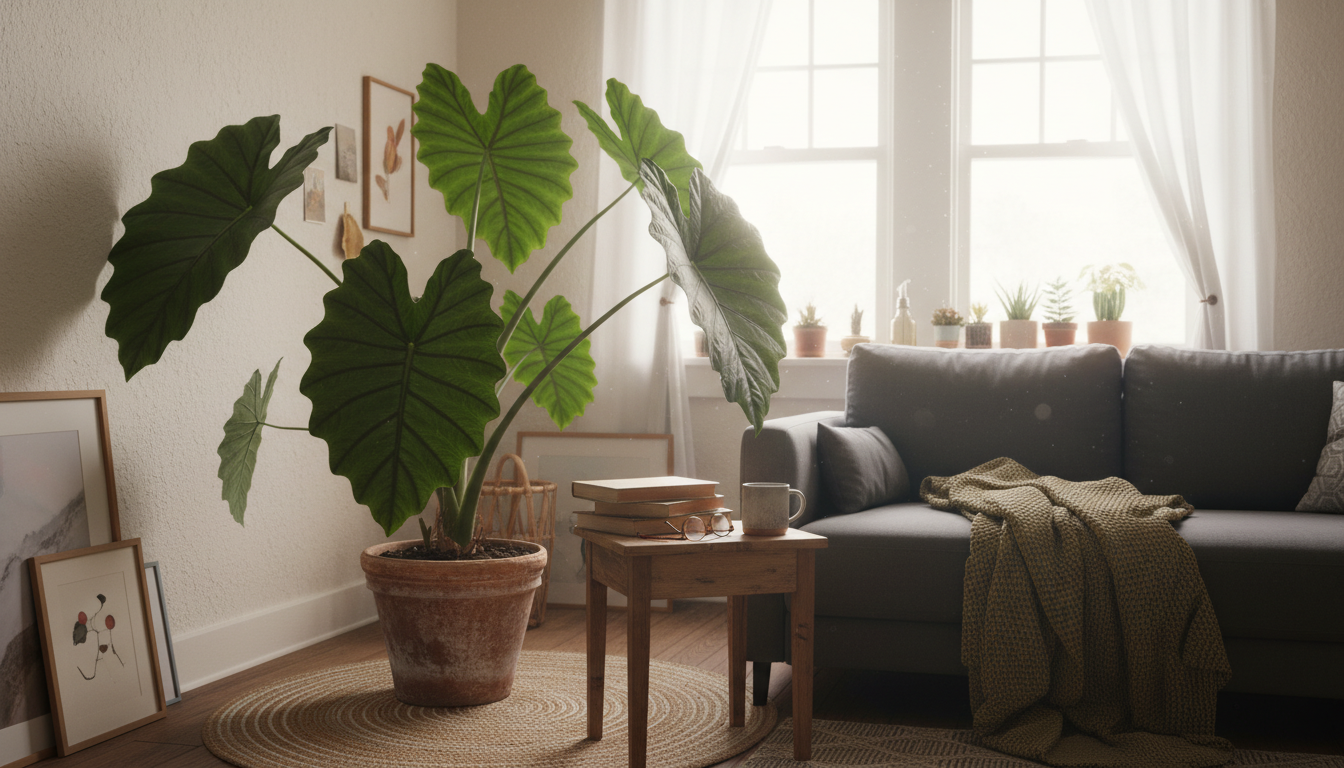
Alocasia: The Architect of the Jungle
The Quick Dirt
The Alocasia (Elephant Ear) is a plant for those who enjoy a bit of drama. They need high humidity, bright filtered light, and a gardener who doesn’t panic when they decide to take a winter nap. They are not the easiest roommates, but they are certainly some of the most striking architectural plants you can own.
The Deep Dive
I have often said that an Alocasia does not just sit in a room. It commands it. Those massive, heart-shaped leaves and prominent veins look like something out of a prehistoric forest. But beauty like this usually comes with a few conditions. You have to be willing to listen to what the leaves are telling you. They will be the first to let you know if the air is too dry or the light is too harsh.
I. Light: The Dappled Canopy
In their native tropical homes, these plants live under the shade of much larger trees. They want that same dappled feeling in your home. A spot near a north or east-facing window is usually ideal. It gives them the energy they need without the heat that destroys them.
Direct afternoon sun is a death sentence for those large, delicate leaves. It will bleach the color right out of them in a single afternoon, leaving behind ugly, papery patches that never heal. These plants are also highly phototropic—they will stretch their necks toward the sun like they are trying to peek over a fence. I make it a habit to rotate the pot a quarter-turn every single week to keep the growth even and the stems strong.
II. Water: The Soil Tension
Watering an Alocasia is about finding the middle ground. They prefer to stay consistently moist, but they are very sensitive to “wet feet.” If they sit in standing water, the rhizome (the bulb-like structure under the soil) will rot faster than you can imagine.
I wait until the top two inches of soil feel dry to the touch before I water again. You can feel the tension in the soil; if it feels loose and dusty, you’ve waited too long. If it feels like a damp sponge, it’s just right. When you do water, do it thoroughly until it runs out the drainage holes, then dump the saucer. Never, ever let an Alocasia sit in a puddle.
III. Humidity: The Invisible Priority
If you want to keep an Alocasia happy, you have to think about the air as much as the soil. Humidity is the real deal-breaker here. Ideally, they want 60% humidity or higher. In a dry home, especially during the winter, the plant will struggle to unfurl new leaves, and the edges of the existing ones will become brown and brittle.
I don’t recommend misting. Instead, use a dedicated humidifier or group your Alocasia with other large-leaved plants to create a shared pocket of moisture. You want the air to feel “soft” when you walk by. Listen to what the leaves are telling you—if they look dull and the edges are curling, they are thirsty for wetter air.
IV. The Winter Nap: Understanding Dormancy
This is where most new plant parents lose their cool. Many Alocasias go dormant in the winter or whenever they feel stressed. They might stop growing entirely, or worse, drop every single one of their leaves.
Don’t throw the plant away! It isn’t dead; it’s just sleeping. It is retracting its energy back into the rhizome to wait for better days. Reduce your watering, keep the pot in a warm spot, and wait for spring. Gardening is a practice of patience, and the return of a dormant Alocasia—seeing that first tiny spike poke through the soil in April—is one of the most beautiful rewards for that patience.
V. Soil & Fertilizer: Heavy Feeding
Because Alocasias can grow so fast during the summer, they are heavy feeders. They need a soil that can support that growth while still letting the roots breathe. I use a “Chunky Mix”: one part high-quality potting soil, one part orchid bark, and one part perlite. During the growing season (spring and summer), I use a balanced liquid fertilizer at half-strength every two weeks. When growth slows down in the fall, I stop feeding entirely.
VI. Common Problems: Spider Mites and Guttation
Those massive leaves are absolute dust-magnets, and dust is where spider mites like to hide. Every few weeks, I take a damp, soft cloth and gently wipe both the tops and bottoms of the leaves. It keeps the plant breathing and lets me spot any tiny webs before they become a problem.
You might also notice your Alocasia “crying”—tiny drops of water forming on the tips of the leaves. This is called guttation. It is the plant’s way of releasing excess water and is usually a sign that your soil is a bit too moist. It’s nothing to worry about, just a gentle nudge to wait another day before your next watering.
The Focus Moment
Owning an Alocasia is a lesson in boundaries. It teaches you to provide the right environment and then step back. It will not be rushed, and it will not be neglected. When you find that perfect balance of light and moisture, it brings a sense of ancient, tropical scale to your modern life. It reminds us that everything has a season for reaching and a season for resting. Keep your hands dirty and your mind clear.
Want more plant tips? Follow us on Facebook!
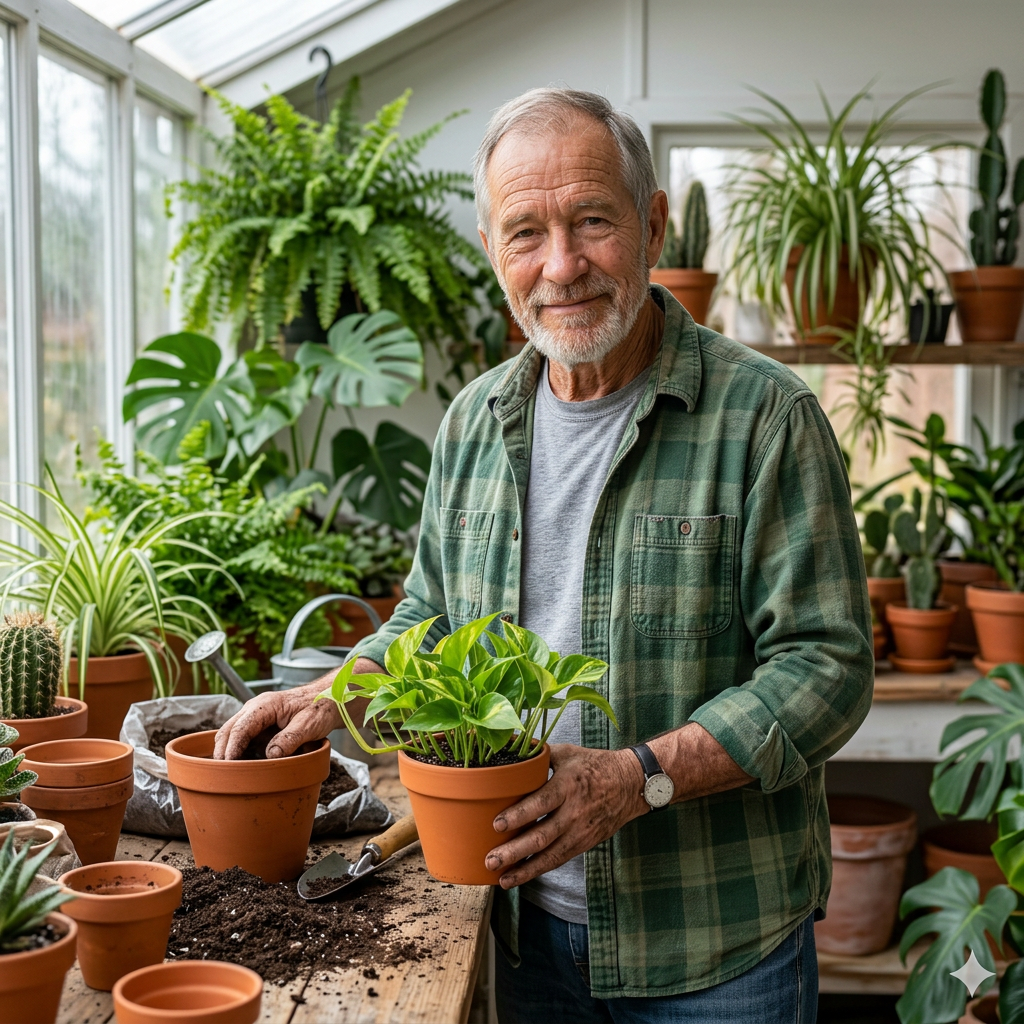
About the Author
Silas
The Practical Greenhouse Mentor
"Silas treats the greenhouse like a workshop of practical results. After 40 years of dirty hands, he’s learned that thriving plants are the result of honest observation and small, correct moves rather than luck. He’s the neighbor who knows exactly why your Pothos is pouting and how to fix it without the fuss."