
Feeding with the Sun: The Real Science of Indoor Light
Confused by 'bright indirect light'? Silas explains how light actually works in your home and why your north-facing window might be starving your plants.
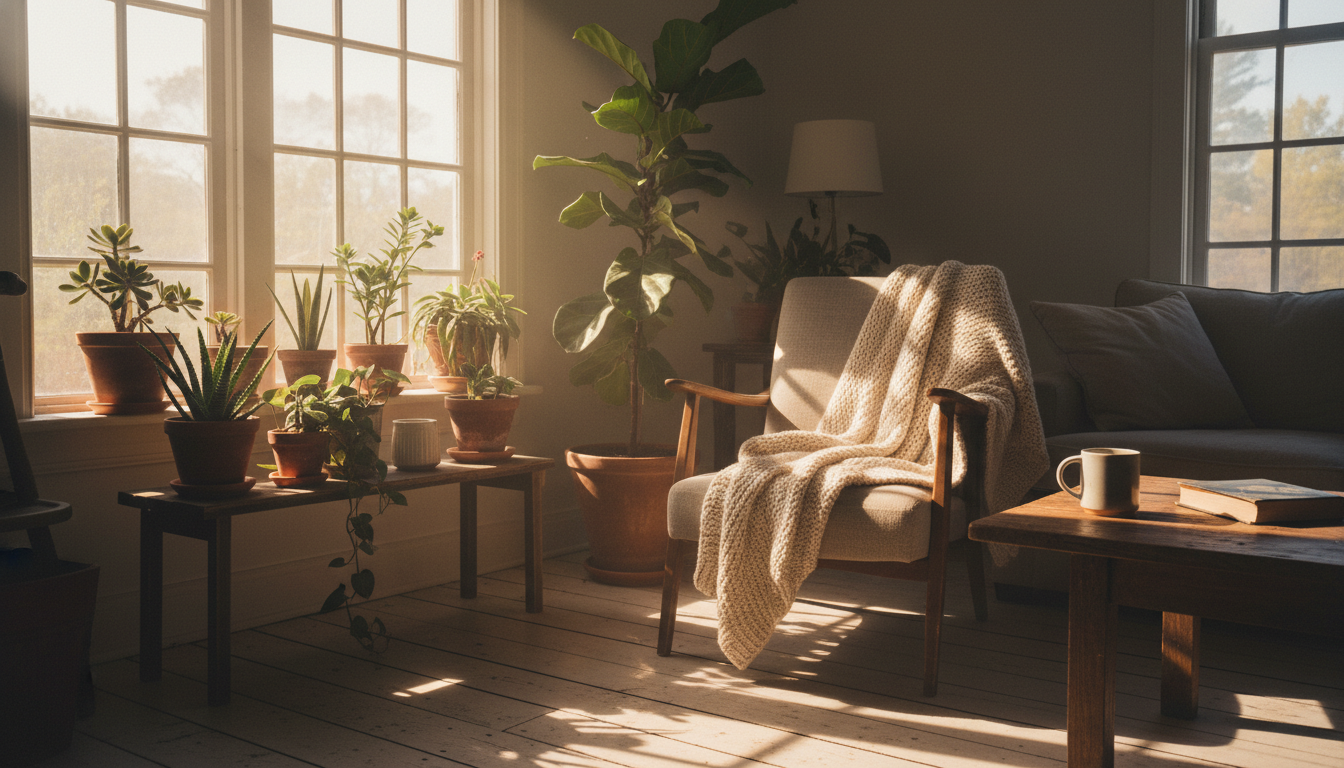
Feeding with the Sun: The Real Science of Indoor Light
The Quick Dirt
In the greenhouse, light is food. We often talk about “bright indirect light” like it’s a magic spell, but understanding the physics of your windows is the difference between a plant that merely survives and one that truly thrives. If your plants aren’t growing, they are likely hungry for more sun.
The Deep Dive
I’ve spent forty years watching the way the afternoon light shifts across my benches. Most people think that if a room “feels bright,” the plants are fine. But our eyes are incredibly adaptive—plants are far more sensitive. To a plant, moving three feet away from a window is like moving a mile away from a buffet.
1. The Window Map
The direction your window faces is your plant’s destiny.
- South-Facing: This is the VIP section. It gets the most intense light for the longest time. Perfect for Cacti, succulents, and Bird of Paradise.
- West-Facing: These get that hot, “blast” of afternoon sun. It’s great for growth, but be careful—the intensity can scorch sensitive leaves like Calatheas.
- East-Facing: This is the gentle morning sun. It’s my favorite for Monsteras and Fiddle Leaf Figs because it’s bright but cool.
- North-Facing: The lowest light. It’s consistent but weak. Fine for Snake Plants, but most tropicals will struggle here without help.
2. The Inverse Square Law (In Plain English)
There is a rule in physics that says light intensity drops off rapidly as you move away from the source. If you move your plant just three feet away from the window, it might be receiving 75% less light than it would on the windowsill. If you want big, beautiful leaves, you have to keep them close to the glass. Listen to what the leaves are telling you: if they are small and “reaching” for the window, they are hungry.
3. The Modern Solution: Grow Lights
In my darker corners, I don’t give up—I use technology. Modern LED grow lights have changed the game. You can now grow a lush tropical garden in a basement apartment. Look for “full-spectrum” bulbs that mimic natural sunlight. Just remember: LEDs don’t produce much heat, but they still need to be close (within 12-24 inches) to be effective.
4. The Clean Window Boost
Here is a secret most people overlook: clean your windows! A layer of dust or winter grime on your glass can block up to 20% of the light. A quick wipe-down is the cheapest fertilizer you’ll ever buy.
The Focus Moment
Light is the energy that drives everything in the natural world. When you take the time to map the sun in your home, you’re aligning your life with the movement of the planet. It forces you to notice the seasons and the time of day. Keep your hands dirty and your mind clear, and let the sun do the heavy lifting in your indoor sanctuary.
Want more plant tips? Follow us on Facebook!
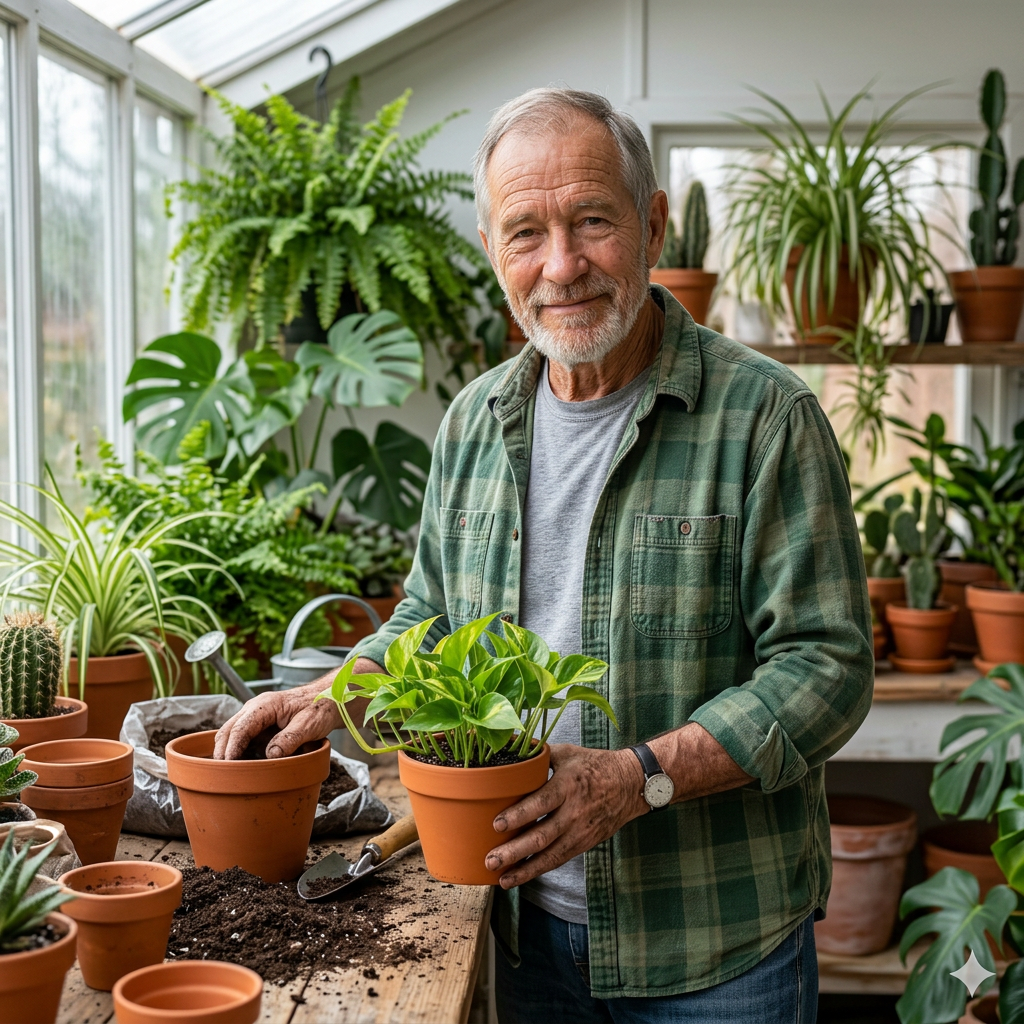
About the Author
Silas
The Practical Greenhouse Mentor
"Silas treats the greenhouse like a workshop of practical results. After 40 years of dirty hands, he’s learned that thriving plants are the result of honest observation and small, correct moves rather than luck. He’s the neighbor who knows exactly why your Pothos is pouting and how to fix it without the fuss."