
Emergency Surgery: Rescuing Your Plant from Root Rot
Yellowing leaves and mushy stems? Your plant might be drowning in stagnant soil. Silas explains how to perform a rescue repot and nurse your plant back to health.
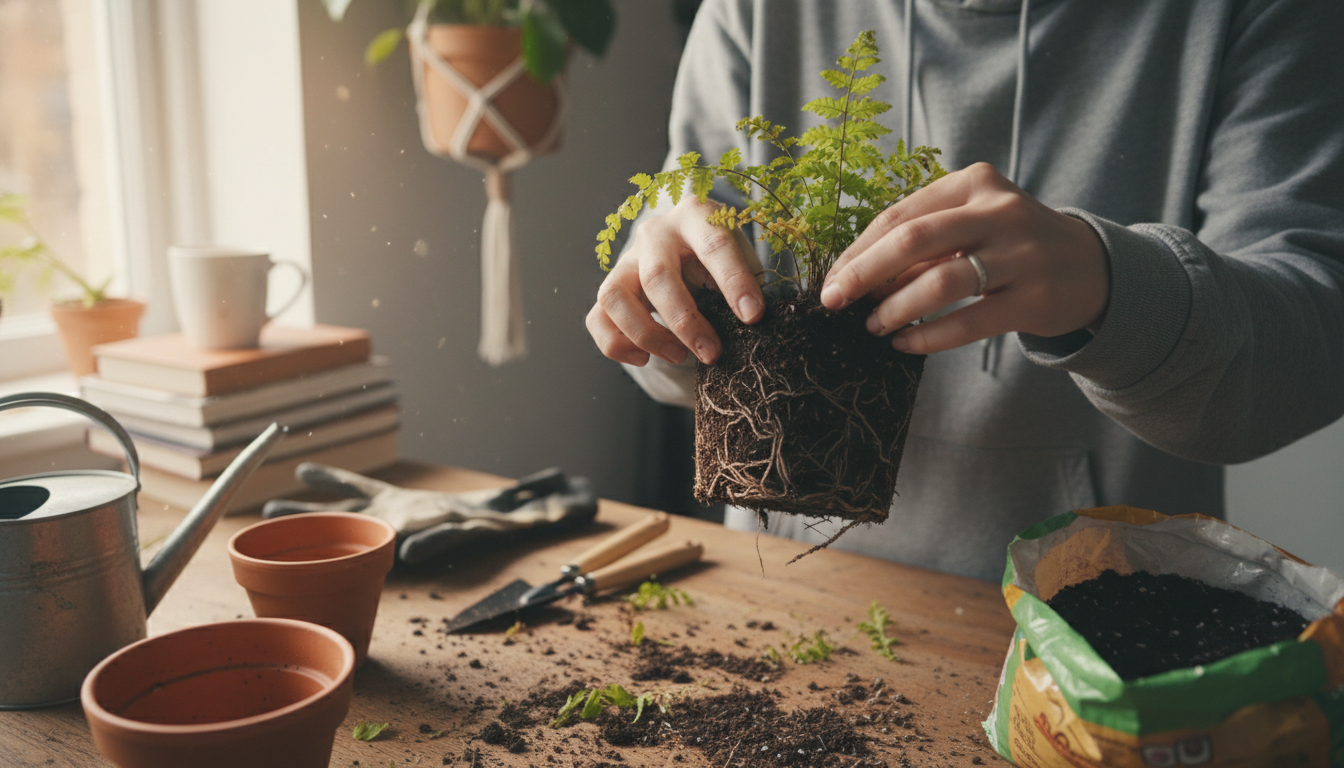
Emergency Surgery: Rescuing Your Plant from Root Rot
The Quick Dirt
Root rot is the most common cause of death in the indoor garden, but it isn’t a death sentence if you act quickly. It’s a “silent killer” that happens when roots stay wet for too long and lose access to oxygen. If you see yellowing leaves and smell something “swampy,” it’s time for emergency surgery.
The Deep Dive
I’ve seen root rot take down some of the most beautiful plants in my collection over the years. It’s a heartbreaking sight, but it’s almost always a misunderstanding of how roots work. Contrary to what most people think, it isn’t the water that kills the plant—it’s the lack of air. When soil is saturated, it becomes “anaerobic,” and pathogenic fungi move in to digest the roots while they’re still alive.
The Warning Signals
Listen to what your plant is telling you. It will send out the SOS long before it dies.
- The Yellow Wave: Leaves turning yellow starting from the bottom up.
- The Smell: A sour, rotten-egg odor coming from the pot.
- The Texture: Mushy stems at the soil line that feel soft or hollow.
The Rescue Repot: Step-by-Step
If you suspect rot, you must act today. Every hour the plant sits in that wet soil, more roots are lost.
- Unpot and Inspect: Gently remove the plant. Wash away all the old, soggy soil so you can see the roots clearly.
- Identify the Damage: Healthy roots are firm and white or tan. Rotted roots are black, slimy, and will literally slide off their inner core if you touch them.
- The Cut: Use a pair of shears sterilized with rubbing alcohol. Be aggressive. Cut away every single bit of black or mushy tissue until you reach firm, healthy root.
- The Secret Weapon Bath: Submerge the remaining healthy roots in a mix of one part hydrogen peroxide and two parts water for 15 minutes. This kills the remaining fungal spores and provides a massive burst of oxygen to the stressed tissue.
- Substrate 2.0: Repot in a fresh, chunky mix with plenty of perlite and orchid bark. Make sure your pot has drainage holes—no exceptions.
The Focus Moment
Saving a plant from rot is a lesson in second chances. It reminds us that even when things have gone wrong beneath the surface, we can always cut away the decay and start fresh. Gardening is a practice of patience, and the slow recovery of a rescued plant is a testament to the resilience of life. Keep your hands dirty and your mind clear.
Want more plant tips? Follow us on Facebook!
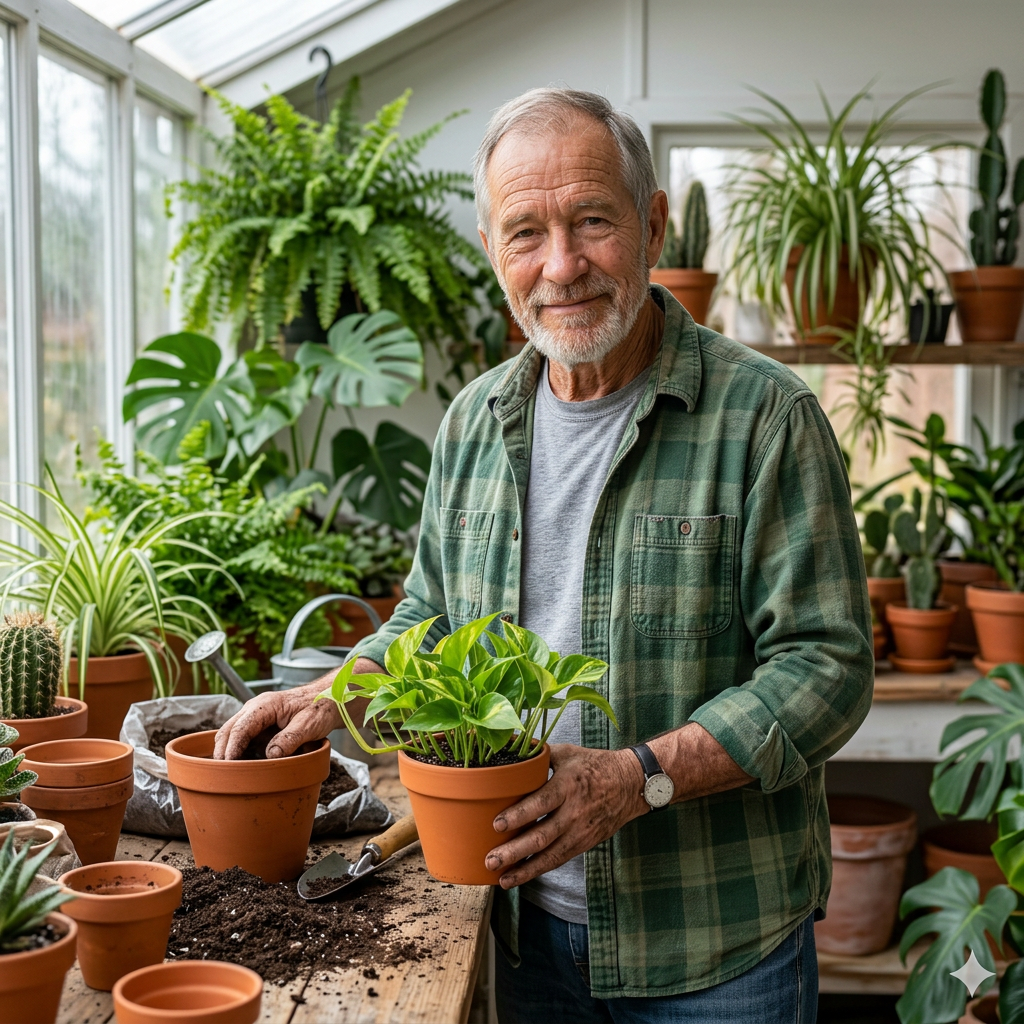
About the Author
Silas
The Practical Greenhouse Mentor
"Silas treats the greenhouse like a workshop of practical results. After 40 years of dirty hands, he’s learned that thriving plants are the result of honest observation and small, correct moves rather than luck. He’s the neighbor who knows exactly why your Pothos is pouting and how to fix it without the fuss."