
The Calathea Conundrum: A Masterclass in Prayer Plants
Beautiful, dramatic, and famously finicky. Silas breaks down the secrets to keeping Calatheas happy, from water quality to the rhythm of humidity.
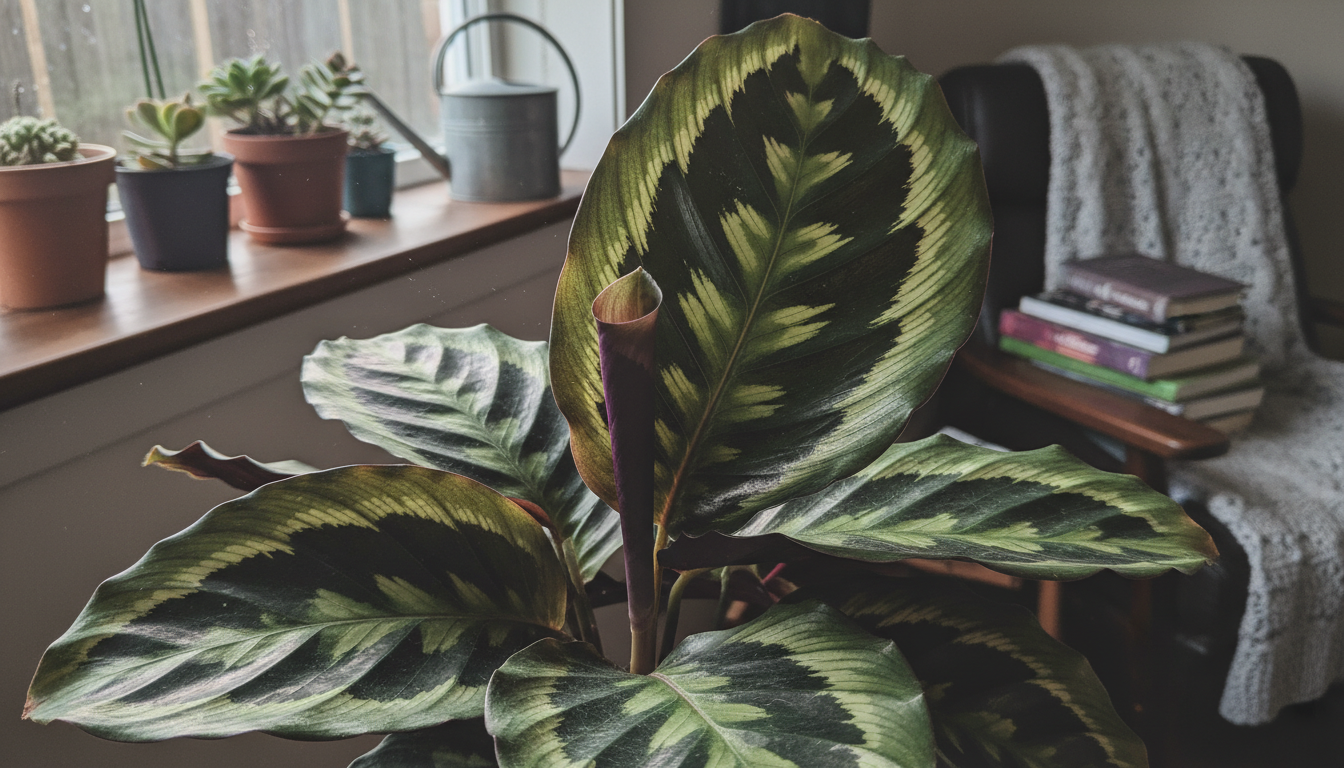
The Calathea Conundrum: A Masterclass in Prayer Plants
The Quick Dirt
If there was an award for the most dramatic plant in the greenhouse, the Calathea would win it every year. They are stunningly beautiful but famously “fussy.” To master them, you need to understand three things: they hate tap water, they crave humidity, and they want to live in the shadows.
The Deep Dive
I’ve had a complicated relationship with Calatheas over the years. They are like that one neighbor who is incredibly talented but throws a tantrum if you use the wrong kind of tea. But once you understand their “conundrum,” they are the most rewarding plants you’ll ever mentor. Their movement alone—folding their leaves up at night like hands in prayer—is a daily lesson in awareness.
1. The Water Quality Secret
This is the most common mistake I see. Calatheas are highly sensitive to the chlorine and minerals in our tap water.
- The Symptom: If you see brown, crispy edges on the leaves, the plant is telling you it doesn’t like the “flavor” of your water.
- The Fix: I only use rainwater or distilled water for mine. If you must use tap, let it sit out for 24 hours to let the chemicals dissipate. It’s a small extra step, but gardening is a practice of patience.
2. Humidity is Non-Negotiable
Native to the humid floors of tropical rainforests, these plants expect the air to be wet. Average household air is simply too dry for them.
- The Symptom: New leaves that fail to unfurl or leaves that curl up tightly.
- The Fix: Aim for 60% humidity. A dedicated humidifier is best, but grouping them with other tropicals also helps. Avoid misting—it can actually encourage fungal issues on those delicate, velvety leaves.
3. Light: The Dappled Jungle
Think about where they came from—the very bottom of the jungle, shaded by massive trees. They want that same “dappled” feeling.
- The Ideal: Medium, indirect light. A north-facing window or a few feet away from an east window is perfect.
- The Danger: Direct sun will bleach the intricate patterns right off the leaves and leave them looking like scorched paper. Listen to what the leaves are telling you.
4. Understanding the “Prayer”
The movement of the leaves—called nyctinasty—is how the plant manages its energy. They “close” at night and “open” in the morning. If your plant stops moving, it’s a clear sign of stress. Check your light and water levels immediately.
The Focus Moment
The Calathea teaches us that beauty often comes with specific needs. It doesn’t mean the plant is “hard,” it just means it has a higher standard for its environment. Caring for one forces you to slow down and pay attention to the details—the humidity, the water quality, the rhythm of the day. Keep your hands dirty and your mind clear, and let the Calathea’s nightly prayer bring a sense of ceremony to your home.
Want more plant tips? Follow us on Facebook!

About the Author
Silas
The Practical Greenhouse Mentor
"Silas treats the greenhouse like a workshop of practical results. After 40 years of dirty hands, he’s learned that thriving plants are the result of honest observation and small, correct moves rather than luck. He’s the neighbor who knows exactly why your Pothos is pouting and how to fix it without the fuss."