
The Quiet Survivors: 10 Plants for the New Gardener
Gardening is a practice of patience. Start your journey with these 10 resilient companions that offer grace even when life gets busy.
The Quiet Survivors: 10 Plants for the New Gardener
The Quick Dirt
If you’re new here, welcome. Don’t worry about having a “green thumb”—that’s just a myth people use to sound important. These ten plants are the ones I recommend to my neighbors when they want a little life in their home without the stress of a demanding schedule.
The Deep Dive
I’ve spent forty years watching things grow, and if there’s one thing I’ve learned, it’s that most plants don’t need a scientist; they just need a friend who notices them. We’ve all lost a plant or two—I certainly have—and that’s just part of the practice. But if you want to start on steady ground, these are the companions I trust the most.
1. Snake Plant (Dracaena trifasciata)
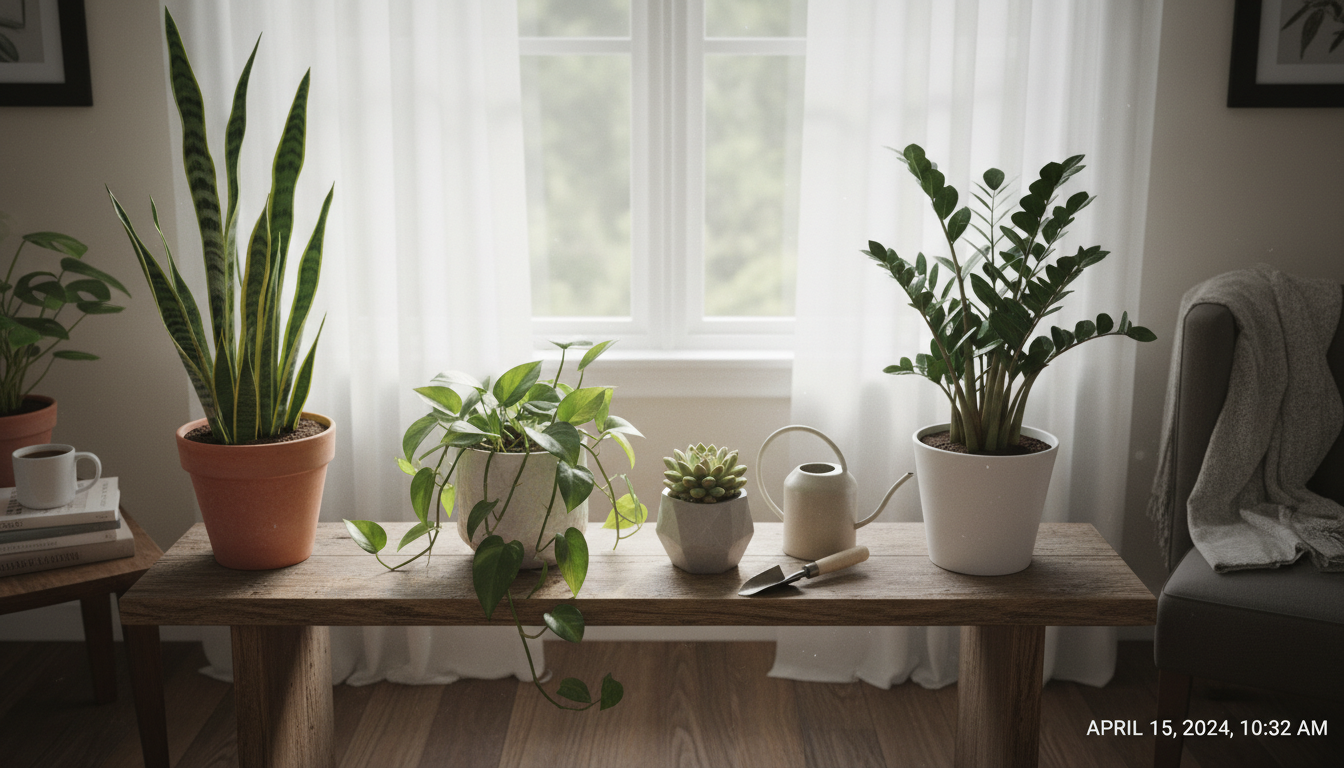
This one is a structural marvel. It stands tall and stiff, like a silent guardian in the corner. I often tell people that the best way to care for a Snake Plant is to simply forget it exists for a while. It produces oxygen even while you sleep, asking for nothing but a drink every three or four weeks.

2. ZZ Plant (Zamioculcas zamiifolia)
Look at those waxy, deep green leaves. They feel like polished stone. The ZZ plant is a master of patience; it stores water in thick, bulb-like rhizomes under the soil. If your hallway is dim and quiet, this plant will be perfectly content there.

3. Golden Pothos (Epipremnum aureum)
Some call it “Devil’s Ivy” because it’s so hard to kill, but I prefer to think of it as a generous friend. It grows long, trailing vines that seem to explore your bookshelves. Listen to what the leaves are telling you: when they look a bit limp and lose their shine, it’s time for a deep soak.

4. Spider Plant (Chlorophytum comosum)
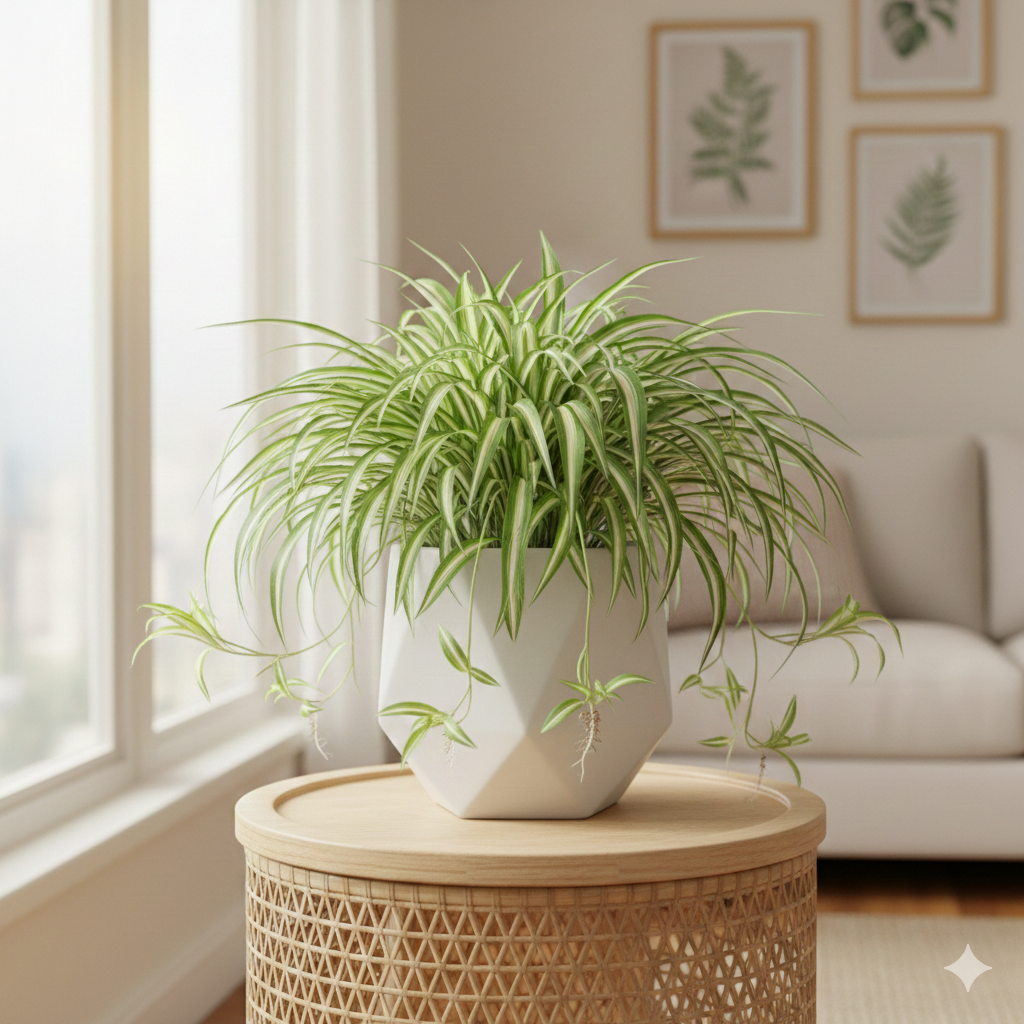
There’s a playful energy to a Spider Plant. It sends out long stems with little “babies” that dangle in the air. It’s one of the few I’ve seen thrive in almost any light, and it’s completely safe for your cats and dogs to sniff around.
5. Aloe Vera (Aloe vera)
A practical succulent for the kitchen windowsill. It likes the grit of a sandy soil and the heat of the afternoon sun. I’ve used the cool gel from its leaves on many a gardening scratch over the years.

6. Jade Plant (Crassula ovata)
The Jade is a miniature tree that lives for decades if you let it. Its woody stems and fleshy leaves hold onto water like a secret. Give it a sunny spot and watch it slowly thicken into a sturdy focal point.

7. Cast Iron Plant (Aspidistra elatior)
They named this one right. It was a favorite in Victorian homes because it could survive the dim light and coal smoke of the era. It doesn’t grow fast, but it grows steady. It’s a plant that respects a quiet life.

8. Rubber Plant (Ficus elastica)
For those who want a bit of height, the Rubber Plant is my choice. Those large, burgundy leaves have a weight to them. It likes a bright spot near a window, but be careful not to over-saturate the soil—it prefers its “feet” to be dry between waterings.

9. Peace Lily (Spathiphyllum)
If you want to learn the language of plants, start here. The Peace Lily is a bit of a drama queen—she will wilt completely when thirsty—but she’s honest. Once you water her, she perks back up in a few hours. It’s a beautiful lesson in resilience.

10. Heartleaf Philodendron (Philodendron hederaceum)
Similar to the Pothos, but with softer, heart-shaped leaves. It’s a fast grower that brings a sense of the jungle into a room. It’s very forgiving of a missed watering now and then.

The Focus Moment
Gardening isn’t about perfection; it’s about the connection between your hands and the earth. When you bring one of these plants home, don’t just see it as decor. See it as an invitation to slow down. Keep your hands dirty and your mind clear, and you’ll find that as your plants grow, you might just find a bit of extra room to breathe, too.
Want more plant tips? Follow us on Facebook!
About the Author
Silas
The Practical Greenhouse Mentor
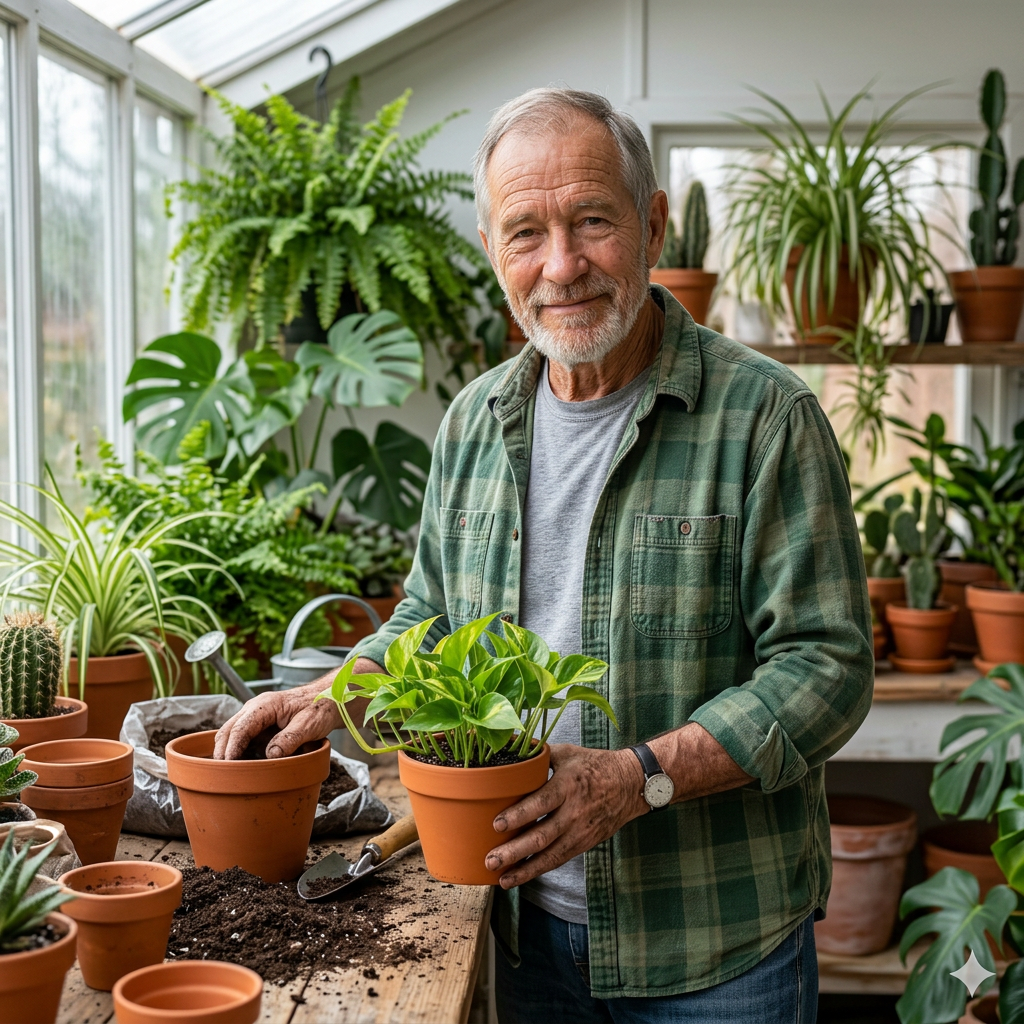
"Silas treats the greenhouse like a workshop of practical results. After 40 years of dirty hands, he’s learned that thriving plants are the result of honest observation and small, correct moves rather than luck. He’s the neighbor who knows exactly why your Pothos is pouting and how to fix it without the fuss."