
Cast Iron Plant Care
Grow Aspidistra elatior in low light with a long dry-down between waterings, well-draining soil, and simple leaf cleaning for a steady, long-lived houseplant.


Cast Iron Plant
Aspidistra elatior
Care Level
Easy
Light
Low
Water
Low
Humidity
Moderate
The Aspidistra elatior (Cast Iron Plant) earned its name the hard way: it survives dim hallways, dry winter air, and busy schedules that would stress fussier tropicals. If yours looks tired, the usual mistake is kindness with the watering can, not neglect.
Plant pros weigh in the same way. Give it medium to low indirect light, let the mix dry thoroughly between drinks, and leave it alone once it finds a stable spot. It rewards longevity over fast growth.
Full plant profile: /plant/cast-iron-plant.
Quick Facts
- Difficulty: Easy
- Light: Low to medium indirect
- Water: Water when the mix is fully dry
- Pet Safety: Safe for cats, dogs, and horses
Light Requirements
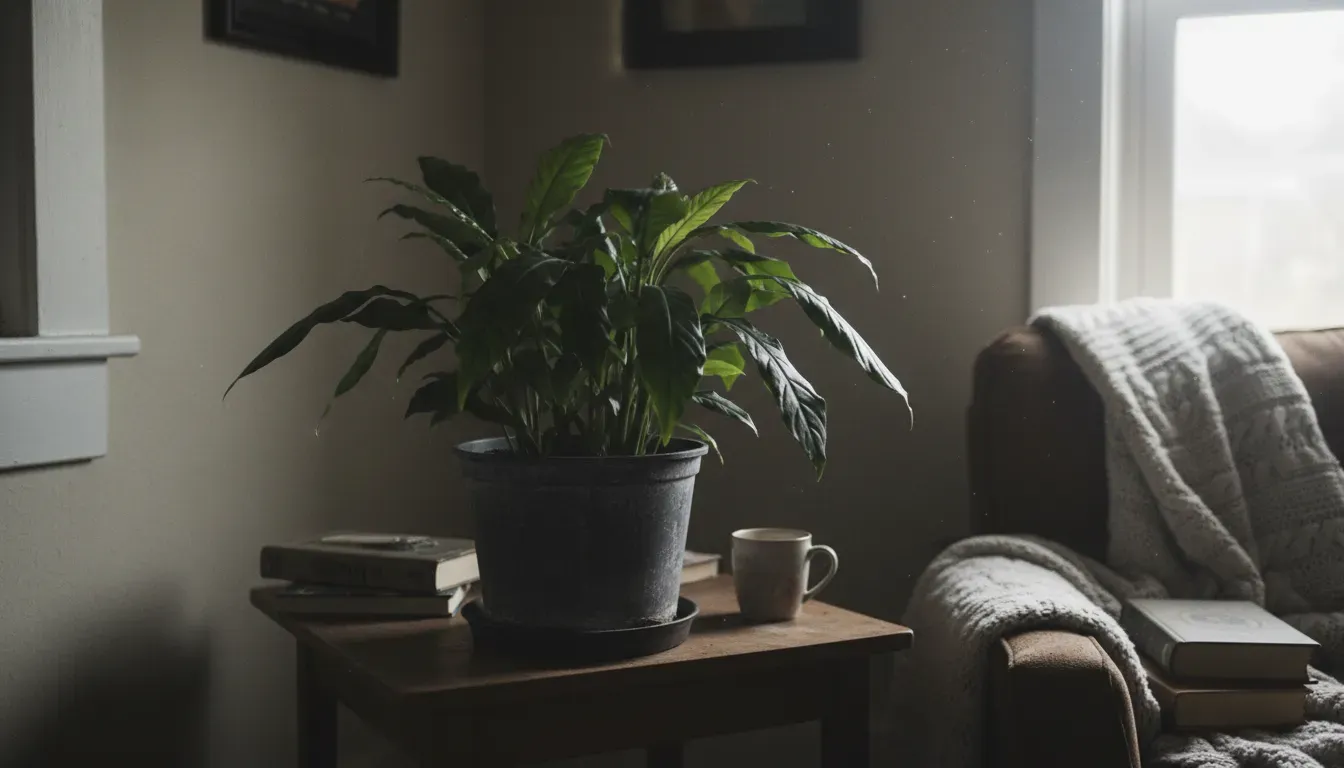
Cast Iron Plant thrives where many foliage plants stall: north rooms, hallways, and corners with soft indirect light. Medium light is welcome. Direct sun is not.
Hot afternoon sun scorches deep green leaves into brown, papery patches quickly. Rich, dark foliage usually means the light level is right. Variegated forms need a bit more brightness to hold their markings, but still avoid harsh direct rays.
Watering Schedule
The fastest way to lose an Aspidistra is keeping the mix wet. Thick leaves and underground rhizomes store what the plant needs. Wait until the soil is dry all the way through, often every three to four weeks in average homes.
When you water, soak thoroughly until liquid runs from the drainage holes, then empty the saucer. Wet feet are the enemy. Underwatering is easier to forgive than a constantly damp pot.
In winter, stretch the interval further as growth slows. Use pot weight and soil feel, not a fixed weekday schedule.
Humidity & Temperature
Average home humidity is fine. This plant does not need a humidifier or misting ritual. Dry winter air is usually tolerable if watering stays restrained.
It also handles drafts and temperature shifts better than most tropicals. Still, avoid extremes: keep it out of hard freezes and away from heater blasts that cook one side of the planter. A steady indoor range around 60°F to 75°F is comfortable.
Soil & Potting
Use a well-draining, general-purpose or peat-based potting mix. Add perlite if your bagged soil stays dense. Roots and rhizomes need air after every watering.
Always choose a pot with drainage holes. Cast Iron Plants like to feel a bit snug. Repot only when roots clearly crowd the container or the mix breaks down, usually every few years in spring. Bump one size at most.
Fertilizer
Feed every four weeks in spring and summer with a balanced all-purpose liquid fertilizer at the label rate or lightly diluted. Hold fertilizer in fall and winter.
Do not fertilize a plant sitting in wet soil or showing soft, stressed leaves. Fix watering first. Slow growth is normal for this species; fertilizer will not turn it into a fast vine.
Pruning & Maintenance
Leaves last for years, so they collect dust. Wipe them monthly with a damp cloth so light can reach the surface and the plant can breathe. Skip oily leaf-shine products.
When an old leaf yellows or browns, snip it at the soil line with clean shears. That keeps the clump tidy without forcing unnecessary repotting.
Propagation
Division is the method that works. During a spring repot, separate rhizomes into sections that each have leaves and roots. Pot them in fresh, well-draining mix and wait several days before the first thorough watering so cuts can seal.
Give divisions time. This is a slow grower above the soil because it is a slow grower below it.
Common Problems
Root rot / yellow soft leaves: Overwatering. Dry down harder and check drainage holes.
Sun scorch: Brown papery patches from direct sun. Move to filtered or low indirect light.
Dusty dull leaves: Wipe regularly; dust blocks light on long-lived foliage.
Scale or mealybugs: Uncommon but possible. Wipe leaves and treat early while you clean.
Pro Tips for Long-Term Maintenance
Pick a dim-to-medium spot, water only when the pot is fully dry, and treat leaf wiping as the main monthly chore. Cast Iron Plant thrives on a quiet routine: stable light, dry-down patience, and no constant relocating.

About the Author
Silas
The Practical Greenhouse Mentor
"Silas treats the greenhouse like a workshop of practical results. After 40 years of dirty hands, he’s learned that thriving plants are the result of honest observation and small, correct moves rather than luck. He’s the neighbor who knows exactly why your Pothos is pouting and how to fix it without the fuss."