
7 Best Low-Light Plants for Dim Apartment Corners
These seven low-light houseplants tolerate dim rooms, with practical tips for placement, watering, and keeping slow growth healthy.

A dim apartment does not rule out houseplants. It does change what you should expect. In a darker room, even a tolerant plant will grow more slowly, use water less quickly, and may lose color or stretch toward the nearest window.
No houseplant truly prefers a windowless corner. Plant pros use “low light” to describe plants that tolerate limited natural light, not plants that can live without it. Start with the brightest part of your dim room, then watch how the plant responds.
What Counts as Low Light?
Low light usually means you can comfortably read in the room during the day, but the plant receives little or no direct sun. If the space stays gloomy with the lights off, add a grow light or choose another location.
The baseline rule is simple: less light means less frequent watering. Check the potting mix instead of following a calendar, and always use a planter with drainage holes.
7 Plants That Handle Dim Rooms
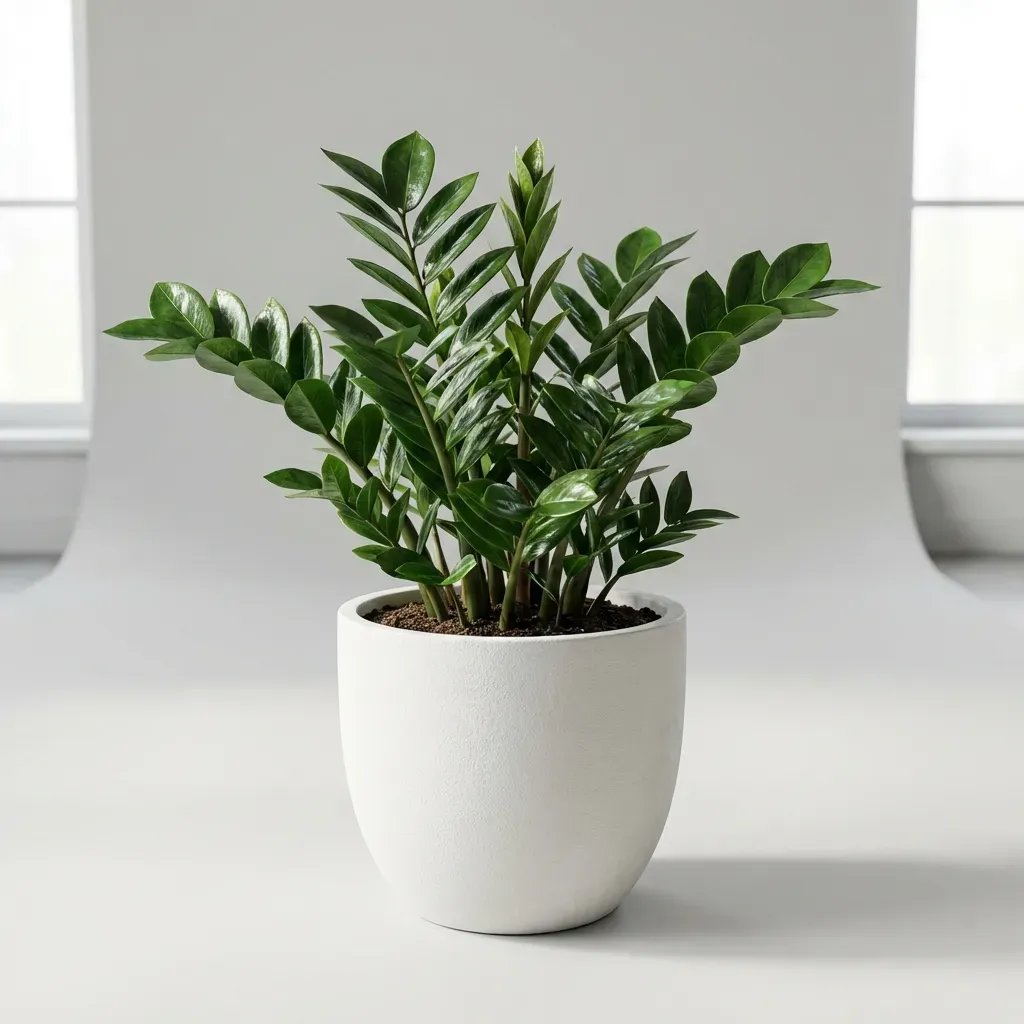
1. ZZ Plant (Zamioculcas zamiifolia)
The ZZ plant stores water in thick underground rhizomes, so it handles a slower watering rhythm well. It keeps its upright shape in low light, although new growth may be infrequent.
Let the potting mix dry well before watering again. A dark room plus constantly damp soil is a quick route to root rot.
2. Cast Iron Plant (Aspidistra elatior)
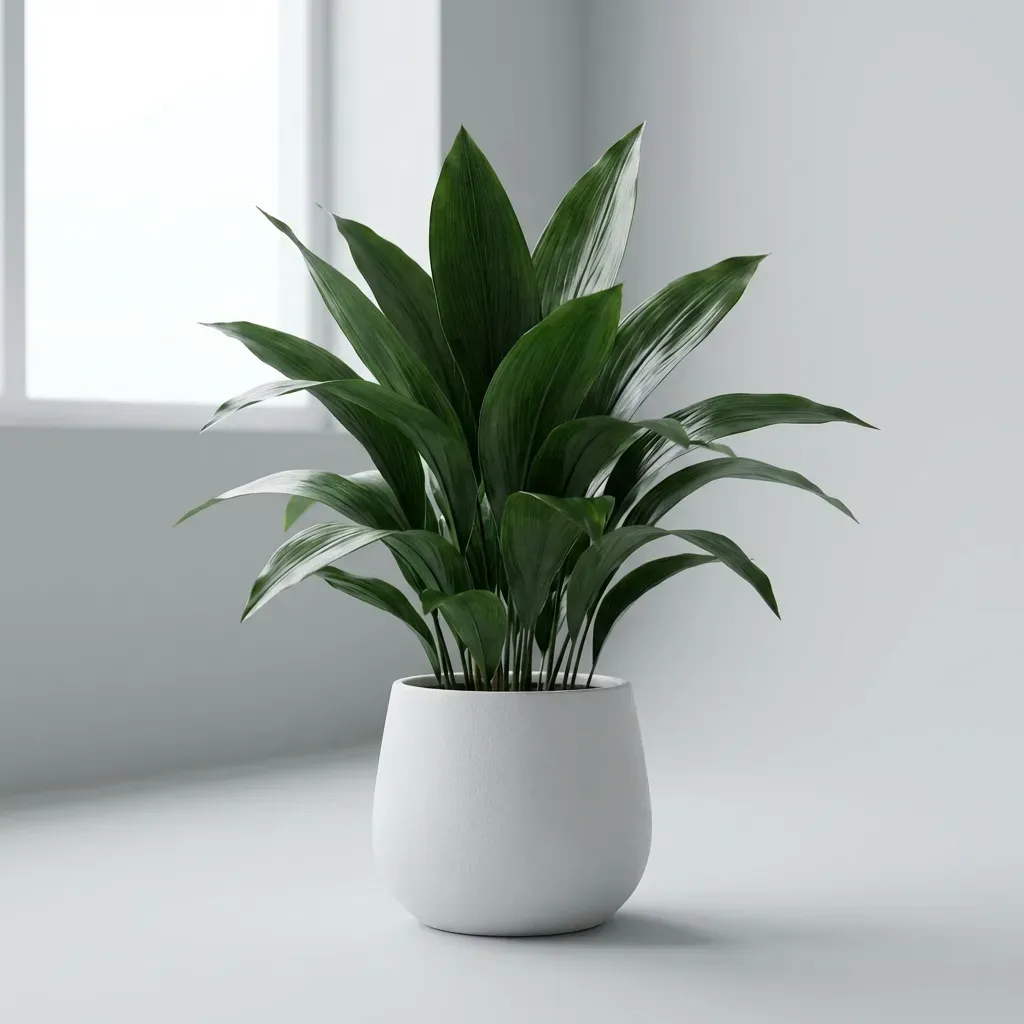
This sturdy foliage plant has a long reputation for handling shaded interiors. Its broad leaves hold their shape in dim conditions, and its naturally slow growth makes it a good fit for quiet corners.
Keep it away from harsh direct sun, which can scorch the leaves. Water after the upper layer of soil begins to dry.
3. Snake Plant (Dracaena trifasciata)
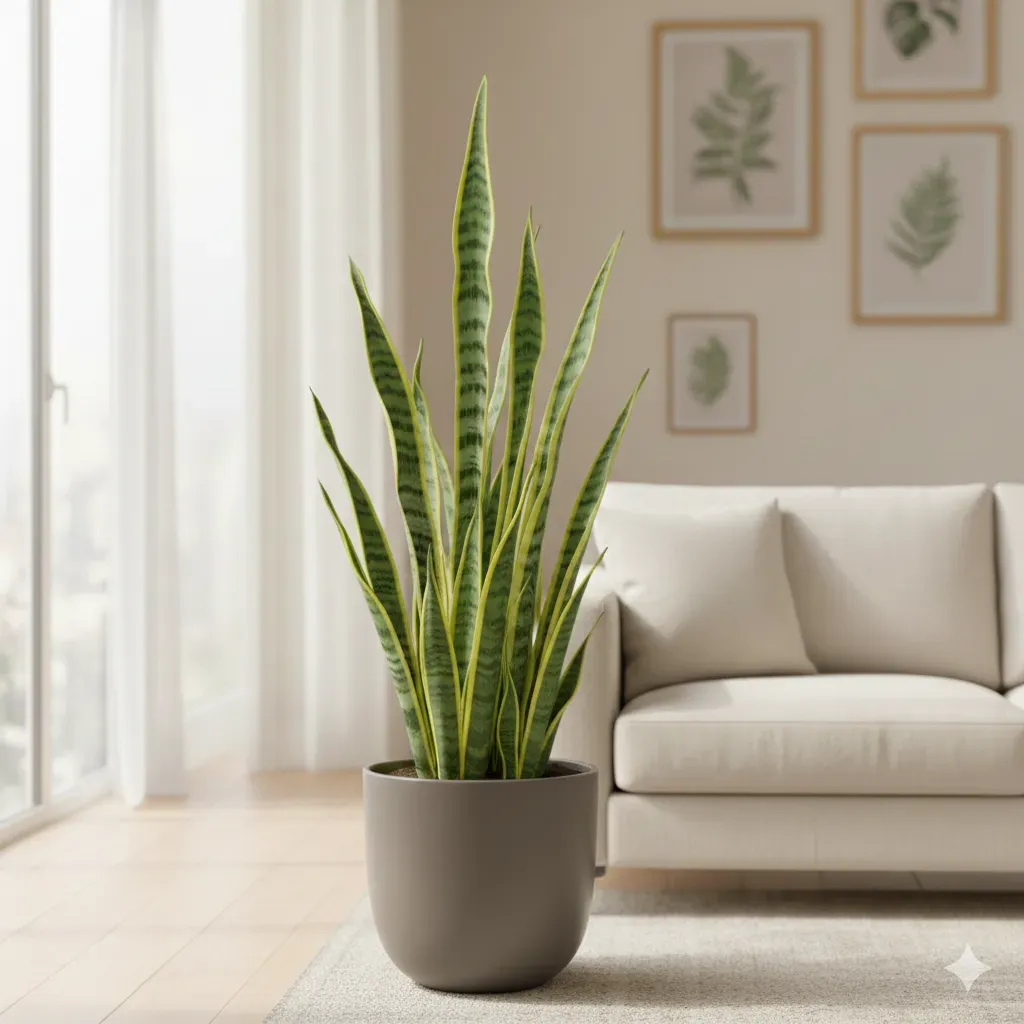
A snake plant tolerates low light, but it grows faster and fuller with brighter indirect light. Its thick leaves store moisture, so the bigger risk in a dim room is watering too often.
Use a fast-draining mix and allow a generous dry-down between waterings.
4. Peace Lily (Spathiphyllum)
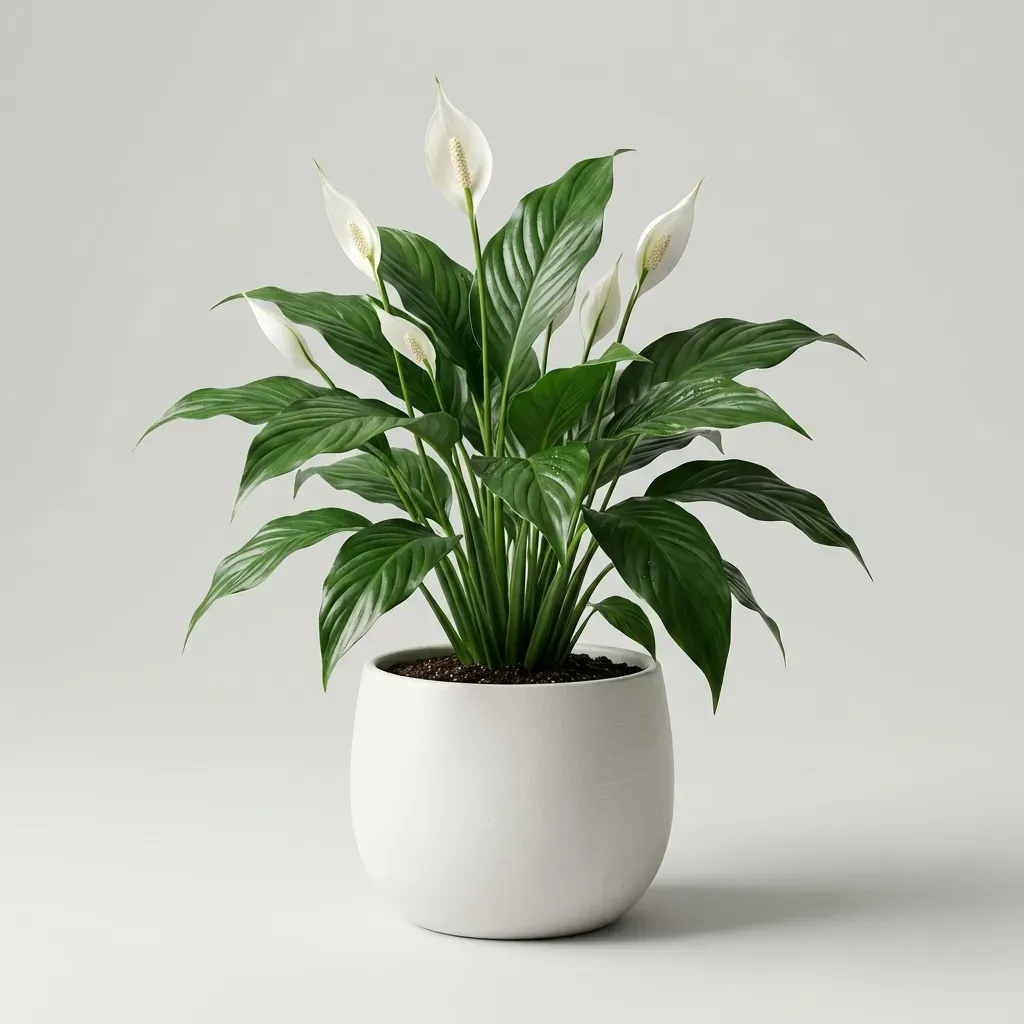
A peace lily can keep attractive foliage in low light, but it usually needs brighter indirect light to bloom reliably. It also prefers more consistent moisture than a ZZ plant or snake plant.
Check the soil when the leaves begin to soften, but do not rely on dramatic wilting as your regular watering cue.
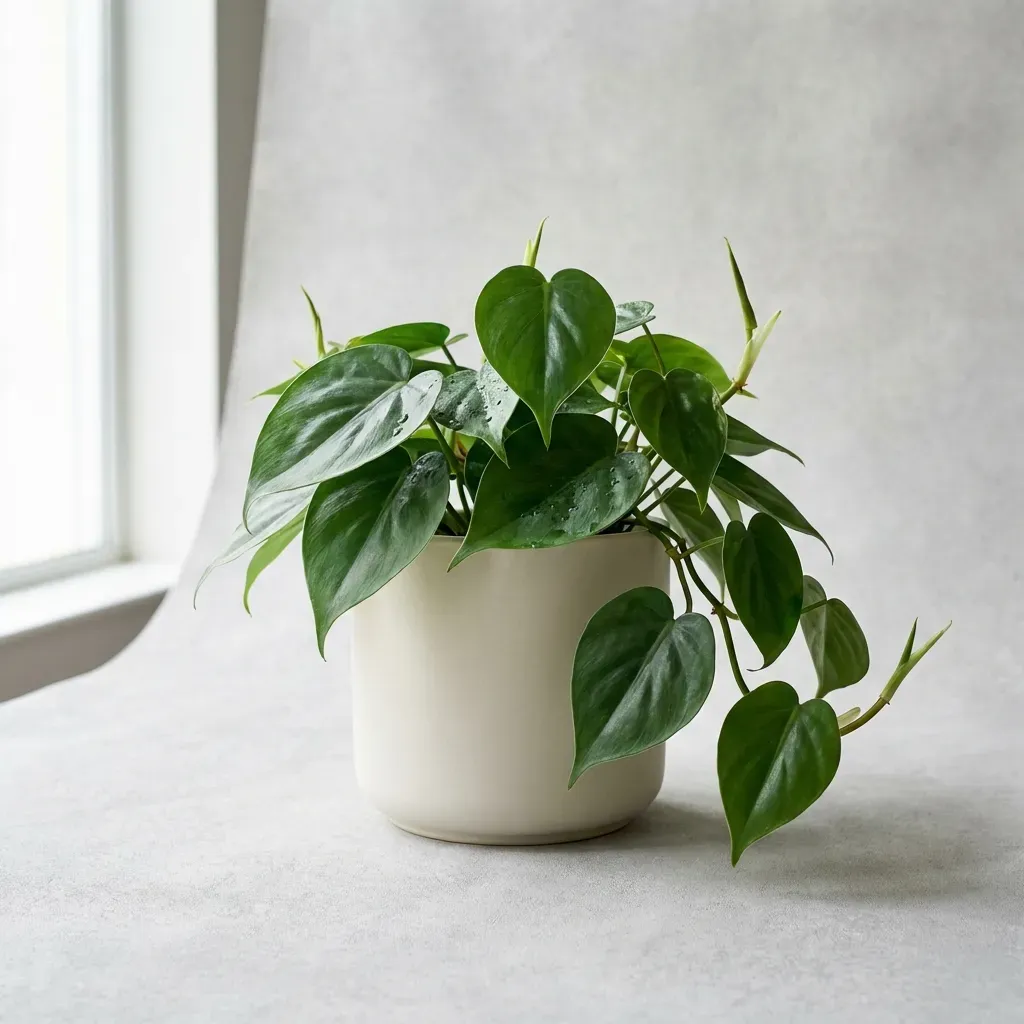
5. Heartleaf Philodendron (Philodendron hederaceum)
This adaptable vine is useful on a shelf near a modest window. In lower light, the gaps between leaves may widen and new leaves may stay smaller.
If growth looks thin, move it closer to the window and prune just above a node to encourage branching.
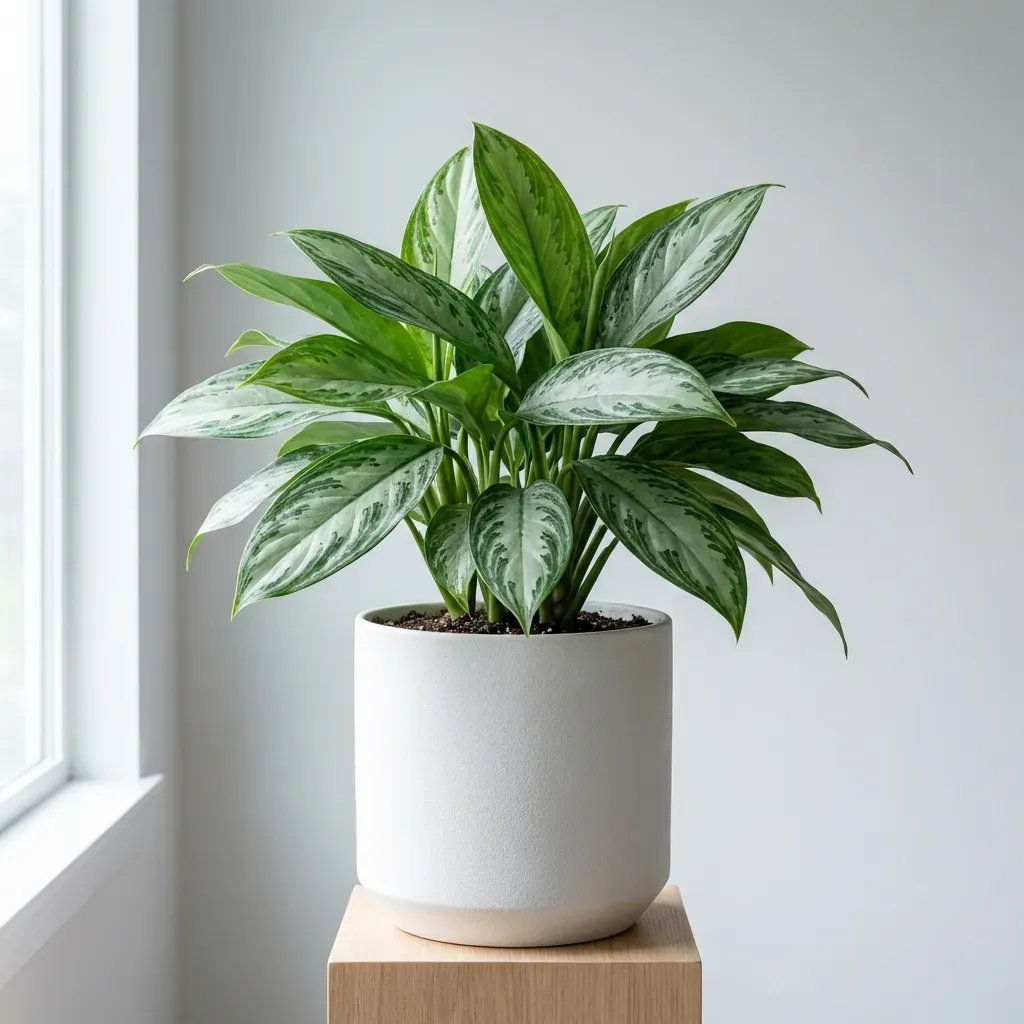
6. Aglaonema (Aglaonema species)
Green-leaved aglaonemas generally handle lower light better than heavily pink, red, or cream varieties. Colorful cultivars need more light to maintain their markings.
Give the potting mix some air between waterings, and protect the plant from cold drafts.
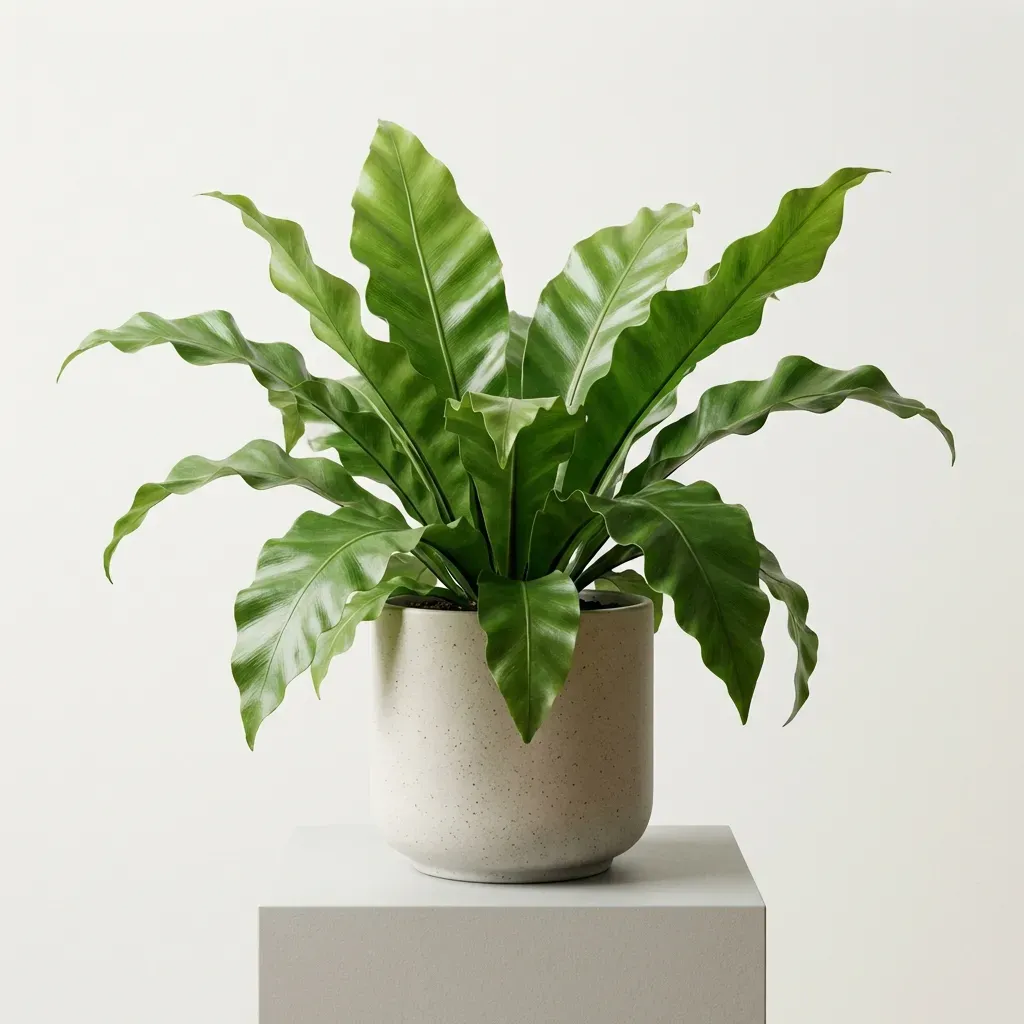
7. Bird’s Nest Fern (Asplenium nidus)
A bird’s nest fern suits a bathroom or kitchen with low to medium indirect light and steady humidity. Its thin fronds do not store much water, so it needs more consistent moisture than the other plants on this list.
Water the soil around the plant rather than pouring water into the central crown.
Light, Soil, and Drainage Notes
- Light: Rotate plants every week or two if growth leans toward the window.
- Water: Check the mix before watering. Low-light pots can stay damp much longer.
- Soil: Use a mix suited to the plant, with enough coarse material to keep air around the roots.
- Drainage: Empty saucers and cache pots after watering so roots never sit in pooled water.
Pro Tips for Long-Term Maintenance
Wipe broad leaves with a damp cloth so limited light can reach the leaf surface. Watch new growth for clues: smaller leaves, long gaps between nodes, or a strong lean usually mean the plant needs more light.
If a plant stops growing but otherwise looks healthy in winter, reduce watering and wait for longer days. If it becomes pale, stretched, or persistently wet, move it closer to natural light or add a simple grow light.

About the Author
Silas
The Practical Greenhouse Mentor
"Silas treats the greenhouse like a workshop of practical results. After 40 years of dirty hands, he’s learned that thriving plants are the result of honest observation and small, correct moves rather than luck. He’s the neighbor who knows exactly why your Pothos is pouting and how to fix it without the fuss."